E-mail:
sales@silicone-sealant-china.com

Views: 876 Oct 10 , 2025
Preventing Color Changes in Sealants After Application: Key Strategies Sealants are often chosen for their aesthetic compatibility with surfaces, but discoloration after application can undermine their visual appeal. Factors like UV exposure, chemical reactions, or improper curing can lead to unwanted shifts in hue. Below are actionable techniques to maintain...
Views: 449 Oct 10 , 2025
Effective Lighting Strategies for Sealant Application in Tight Spaces Working with sealants in confined areas demands precision, and poor visibility can lead to uneven application, missed gaps, or accidental damage to surrounding surfaces. Proper lighting setups are essential to ensure accuracy, safety, and efficiency. Below are techniques to optimize illumination for...
Views: 499 Oct 10 , 2025
Mastering Sealant Application: Essential Techniques for Optimal Grip and Angle Control Sealant application demands precision, and mastering the grip and angle of your caulking gun is critical to achieving professional-grade results. Whether sealing windows, joints, or curved surfaces, the way you handle the tool directly impacts adhesion, durability, and aesthetics....
Views: 413 Oct 08 , 2025
Measuring Flatness After Bathroom Sealant Application: Technical Guidelines and Practical Methods Ensuring proper flatness of sealant surfaces in bathrooms is critical for preventing water infiltration, maintaining aesthetic appeal, and extending the lifespan of waterproofing systems. Accurate measurement techniques help identify uneven applications before tiles or...
Views: 458 Oct 08 , 2025
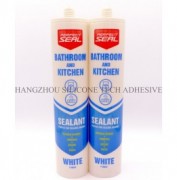
Post-Application Surface Protection Films for Sealants: Best Practices and Technical Considerations The use of surface protection films after sealant application plays a critical role in maintaining material integrity during curing and preventing premature damage. Understanding the interaction between sealant chemistry, environmental conditions, and film properties...
Views: 512 Oct 08 , 2025
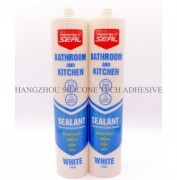
Seasonal Variations in Sealant Curing Cycles: Key Factors and Technical Insights Sealant curing cycles exhibit significant seasonal fluctuations due to environmental variables that influence chemical reaction rates. Understanding these dynamics is critical for ensuring structural integrity and meeting project timelines. Temperature’s Dominant Role in...
Views: 777 Oct 07 , 2025
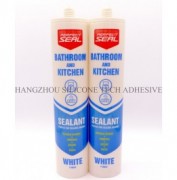
Proper Ventilation Strategies After Applying Sealant Proper ventilation after sealant application is critical for ensuring effective curing, preventing chemical buildup, and maintaining indoor air quality. Without adequate airflow, volatile organic compounds (VOCs) released during drying can accumulate, posing health risks and potentially weakening the sealant’s...
Views: 559 Oct 07 , 2025
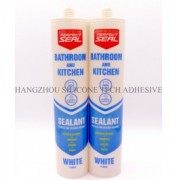
Managing Water Usage for Cleaning After Bathroom Sealant Application Applying sealant in bathrooms is essential for preventing water damage, mold growth, and structural deterioration. However, post-application care—particularly water management during cleaning—plays a critical role in ensuring the sealant cures properly and maintains its effectiveness. Improper...
Views: 471 Oct 07 , 2025
Optimal Timing for Moving Furniture Back After Sealant Application When renovating or repairing your home, applying sealant to joints, gaps, or cracks is a critical step to ensure waterproofing, airtightness, and structural integrity. However, one common question arises: How long should you wait before moving furniture back after applying sealant? The answer...
Views: 516 Sep 29 , 2025
Safety Measures for Applying Sealants in Children's Bathrooms Ensuring Child-Safe Material Selection and Handling When selecting sealants for children's bathrooms, prioritize products with non-toxic formulations and low volatile organic compound (VOC) emissions. Avoid materials containing isocyanates or solvent-based additives, which can release harmful fumes....
Views: 741 Sep 29 , 2025
Protecting Pets After Sealant Application: A Comprehensive Safety Guide When undertaking home improvement projects involving sealants—whether for floors, furniture, or concrete surfaces—pet owners must prioritize post-application safety. Chemicals in sealants, even those labeled "pet-friendly," can pose risks through inhalation, skin contact, or accidental...
Views: 464 Sep 29 , 2025
Disinfection Practices for Bathroom Sealant Application Tools Importance of Tool Disinfection in Bathroom Sealant Projects Bathroom environments are prone to moisture, mold, and bacterial growth, making tool disinfection critical during sealant application. Contaminated tools can introduce pathogens into freshly applied sealant, compromising hygiene and...
Copyright 2019 by Hangzhou Silicone Tech Adhesive Co., Ltd. All rights reserved.
Bathroom Sealant | Acrylic Sealant | Dow Corning 795 | Aquarium Sealant | Dow Corning 732 | Clear Silicone Sealant | Polysulfide Sealant | Glazing Sealant | Mirror Sealant | IG Sealant
Powered by Onepound


