E-mail:
sales@silicone-sealant-china.com

Views: 591 Oct 27 , 2025
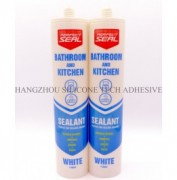
How to Inspect Packaging Integrity Before Applying Sealants Proper preparation begins with verifying the condition of sealant packaging. Damaged or compromised containers can lead to application failures, wasted materials, and compromised waterproofing. Below are detailed steps to assess packaging integrity without relying on brand-specific...

Views: 1530 Oct 27 , 2025
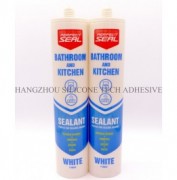
How to Check the Shelf Life of Bathroom Sealants Bathroom sealants are essential for preventing water damage, mold growth, and structural deterioration in wet environments. However, their effectiveness diminishes over time as chemical components degrade. Understanding how to inspect and verify the shelf life of bathroom sealants ensures reliable performance and avoids...
Views: 506 Oct 27 , 2025
Chemical Reactions Between Sealants and Other Interior Renovation Materials Sealants play a critical role in interior renovation projects, serving as barriers against moisture, air, and pollutants. However, their interactions with adjacent materials—through chemical reactions—can significantly influence the durability and performance of renovated spaces. These...

Views: 741 Oct 27 , 2025
Preventing Drastic Temperature Fluctuations After Sealant Application Sealants play a vital role in creating watertight, airtight, or structural bonds in construction and renovation projects. However, their performance depends heavily on environmental conditions during and after application. Drastic temperature changes post-application can disrupt curing, weaken...

Views: 433 Oct 27 , 2025
Maintaining Tool Specificity for Sealant Application Processes Proper tool selection and maintenance are critical for achieving professional-grade sealant application, whether for bathroom renovations, window installations, or industrial projects. Using specialized tools designed for specific sealant types and tasks ensures consistent results, reduces waste, and...
Views: 492 Oct 27 , 2025
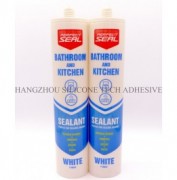
Impact of Humidity Fluctuations on Bathroom Sealant Performance After Application Bathroom sealants play a critical role in preventing water damage, mold growth, and structural deterioration. However, their effectiveness depends heavily on environmental conditions during and after application, particularly humidity levels. Fluctuations in moisture content can disrupt...
Views: 456 Oct 24 , 2025
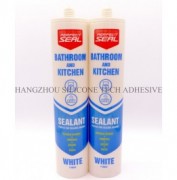
Preventing Color Contamination in Sealants: Strategies for Consistent Aesthetics Sealants are essential in construction, automotive, and industrial applications for creating watertight, airtight, or weatherproof bonds. However, when multiple colors are used in the same workspace or project, unintended mixing can lead to unsightly discoloration, reduced adhesion, or...

Views: 483 Oct 24 , 2025
Preventing Sharp Object Damage After Sealant Application: Essential Practices for Longevity Sealants are widely used in construction, automotive, and industrial applications to create durable, airtight, or watertight barriers. However, their effectiveness depends heavily on post-application care, particularly avoiding contact with sharp objects. Improper handling...

Views: 459 Oct 24 , 2025
Post-Application Restrictions: Avoiding Heavy Pressure on Freshly Applied Bathroom Sealants Bathroom sealants play a critical role in preventing water infiltration, mold growth, and structural damage. However, their effectiveness hinges on proper curing, which can be disrupted by premature heavy pressure. Understanding the risks and timing constraints associated with...
Views: 510 Oct 22 , 2025
Effects of High-Temperature Water Exposure on Uncured Sealants Uncured sealants, commonly used in construction, automotive, and industrial applications, are vulnerable to environmental factors during their curing phase. High-temperature water exposure poses significant risks, as it can alter the chemical composition, physical properties, and adhesion capabilities of...
Views: 460 Oct 22 , 2025
Preventing Reactions Between Sealants and Cosmetics: A Comprehensive Guide Sealants, commonly used in bathrooms, kitchens, and personal spaces, are designed to create waterproof barriers and prevent moisture damage. However, when these materials come into contact with cosmetics—such as skincare products, makeup, or haircare items—they may undergo chemical reactions...
Views: 431 Oct 22 , 2025
Post-Sealant Cleaning Restrictions in Bathroom Environments Bathroom sealants, commonly used to prevent water penetration and mold growth around sinks, showers, and tubs, require careful handling during post-application cleaning. The choice of cleaning agents is critical to avoid compromising the sealant’s integrity, damaging adjacent surfaces, or creating health...
Copyright 2019 by Hangzhou Silicone Tech Adhesive Co., Ltd. All rights reserved.
Bathroom Sealant | Acrylic Sealant | Dow Corning 795 | Aquarium Sealant | Dow Corning 732 | Clear Silicone Sealant | Polysulfide Sealant | Glazing Sealant | Mirror Sealant | IG Sealant
Powered by Onepound


