E-mail:
sales@silicone-sealant-china.com

Sealants are widely used to create flexible, watertight joints in construction, automotive, and industrial applications. Their ability to accommodate movement—such as expansion, contraction, or vibration—is critical for maintaining long-term performance. Temperature changes, however, can significantly alter a sealant’s elasticity and movement capacity, leading to potential failures if not properly addressed.
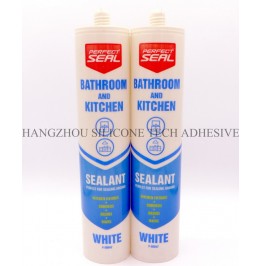
Most materials, including sealants, expand when heated and contract when cooled. This thermal behavior is governed by their coefficient of thermal expansion (CTE), which varies based on chemical composition. For instance, silicone-based sealants typically have a lower CTE compared to polyurethane or acrylic alternatives, meaning they expand or contract less under the same temperature shifts.
Sudden changes in temperature, such as those experienced in outdoor environments or near heat sources, can induce stress within sealant joints. If the material cannot absorb or redistribute this stress, cracks or delamination may occur. For example, a sealant applied in a cold climate that later faces intense summer heat may soften excessively, reducing its ability to resist movement and leading to joint failure.
The chemical makeup of a sealant determines how it responds to temperature extremes. Some formulations incorporate additives to enhance thermal stability, while others rely on inherent polymer properties. Understanding these differences helps select the right sealant for specific temperature ranges.
Highly cross-linked polymers, such as those in two-part epoxy sealants, resist deformation but may become brittle at low temperatures. Conversely, low-cross-linked polymers, like many silicone sealants, remain flexible across a wider temperature spectrum. The balance between cross-linking density and flexibility is crucial for ensuring sealants maintain their movement capability under thermal stress.
Plasticizers are often added to sealants to improve flexibility, but their effectiveness can diminish at extreme temperatures. In cold conditions, plasticizers may migrate or crystallize, causing the sealant to stiffen. Fillers, such as calcium carbonate or silica, can also influence thermal behavior by altering the material’s density and heat conductivity. The interplay between these components dictates how well a sealant adapts to temperature-induced movement.
The environment in which a sealant is applied plays a significant role in its temperature-related performance. Factors like exposure to direct sunlight, proximity to heat-generating equipment, or installation in refrigerated spaces all create unique thermal conditions that affect sealant behavior.
Prolonged exposure to ultraviolet (UV) radiation can degrade sealant polymers, reducing their elasticity and making them more prone to cracking under temperature fluctuations. Heat aging, caused by sustained high temperatures, accelerates this process by breaking down chemical bonds within the material. Sealants used outdoors or in sunlit interiors must resist both UV damage and thermal cycling to maintain their movement capability.
In freezing temperatures, sealants may lose flexibility, becoming rigid and brittle. This stiffness increases the risk of cracking when subjected to movement, such as building settlement or thermal contraction. Some sealants are formulated with low-temperature flexibility enhancers to remain pliable in cold environments, but their performance still depends on proper installation and joint design.
The way a sealant joint is designed directly impacts its ability to handle temperature-induced movement. Factors like joint width, depth, and shape influence how much stress the sealant can absorb without failing.
Wider joints allow for greater movement capacity, as they provide more space for the sealant to expand or contract. However, overly wide joints may reduce adhesion strength or require excessive material, increasing costs. The ideal joint width-to-depth ratio balances movement accommodation with structural integrity, ensuring the sealant remains effective across temperature ranges.
Backer rods, placed within joints before sealant application, help control depth and create a uniform base for adhesion. They also prevent three-sided adhesion, which can restrict movement and lead to cracking. Bond breakers, such as release tapes or primers, further enhance movement capability by reducing friction between the sealant and substrate, allowing the material to stretch or compress more freely.
Even with proper material selection and joint design, sealants exposed to frequent temperature changes require regular inspection and maintenance. Over time, repeated thermal cycling can weaken the material, reducing its elasticity and movement resistance.
Visual indicators of thermal stress include cracking, chalking, or discoloration along the sealant joint. These symptoms suggest the material is no longer able to accommodate movement effectively, increasing the risk of water infiltration or structural damage. Periodic non-destructive testing, such as ultrasonic or laser-based methods, can detect internal degradation before visible signs appear.
In environments with extreme or rapid temperature fluctuations, sealants may need more frequent replacement compared to stable climates. Establishing a maintenance schedule based on the expected service life of the material—accounting for thermal exposure—helps prevent unexpected failures. Upgrading to sealants with enhanced thermal stability or movement capacity can also extend joint lifespan in challenging conditions.
By considering these factors—from material composition to joint design and maintenance—professionals can ensure sealants maintain their elasticity and movement capability despite temperature variations. This proactive approach safeguards against premature failure, ensuring durable, watertight seals in diverse applications.
Copyright 2019 by Hangzhou Silicone Tech Adhesive Co., Ltd. All rights reserved.
Bathroom Sealant | Acrylic Sealant | Dow Corning 795 | Aquarium Sealant | Dow Corning 732 | Clear Silicone Sealant | Polysulfide Sealant | Glazing Sealant | Mirror Sealant | IG Sealant
Powered by Onepound


