E-mail:
sales@silicone-sealant-china.com

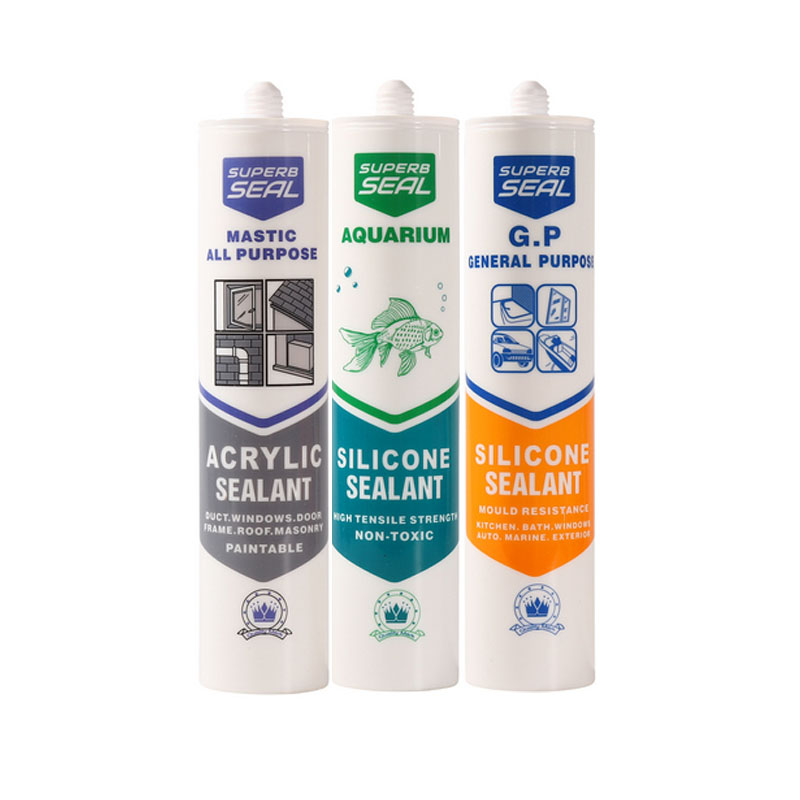
Contractors often face a simple question at the jobsite: what is better, silicone or latex caulk? The answer depends on the surface, the exposure, and whether the joint needs paint. Each product has clear strengths. Pick the right one and the seal lasts for years.
Latex caulk, often called acrylic caulk, works best indoors on trim, baseboards, crown molding, and gaps around doors and windows. It cleans up with water, tools smoothly, and accepts paint once it dries. Use it anywhere the finish needs to blend with surrounding paint.
Silicone sealant handles constant moisture, temperature swings, and joint movement better than latex. It stays flexible, resists mold, and will not wash away. Use silicone in bathrooms, kitchens, exterior gaps, glass, and metalwork.
Latex caulk goes on with a standard caulk gun and cleans up with a damp rag before it skins over. That makes it forgiving for fast interior jobs. Mistakes wipe away, and the bead can be painted to match walls or trim.
Interior materials rarely face standing water. Around baseboards, window casings, and door frames, an acrylic mastic sealant gives a crisp, paintable seal without the extra cost of silicone.
Silicone repels water and resists UV rays, ozone, and high temperatures. It bonds well to glass, metal, ceramic, and most plastics. That is why contractors choose silicone around showers, sinks, windows, and exterior trim.
A quality silicone sealant remains elastic after curing. It expands and contracts with the joint instead of cracking. This elasticity gives silicone a longer service life in harsh conditions.
For commercial glazing and curtain walls, standard caulk or silicone cannot carry the load. A two-component structural silicone sealant bonds glass panels to frames while handling wind loads and building movement. Engineers specify these systems for high-rise facades.
Start by asking two questions. Will the joint see regular water? Will it move? If either answer is yes, silicone is usually the safer choice. For dry, paintable interior seams, latex caulk is faster and cheaper.
Check the cure type, movement capability, and recommended substrates. Acetoxy silicone cures fast but can corrode sensitive metals. Neutral cure silicone is safer on coated metal and stone. Latex caulk labels show paint time and cleanup instructions.
Neither product is perfect for every job. The best choice is the one that matches the conditions, the substrate, and the finish you need. Match the sealant to the task, and both the joint and your reputation will hold up.
Copyright 2019 by Hangzhou Silicone Tech Adhesive Co., Ltd. All rights reserved.
Bathroom Sealant | Acrylic Sealant | Dow Corning 795 | Aquarium Sealant | Dow Corning 732 | Clear Silicone Sealant | Polysulfide Sealant | Glazing Sealant | Mirror Sealant | IG Sealant
Powered by Onepound


