E-mail:
sales@silicone-sealant-china.com

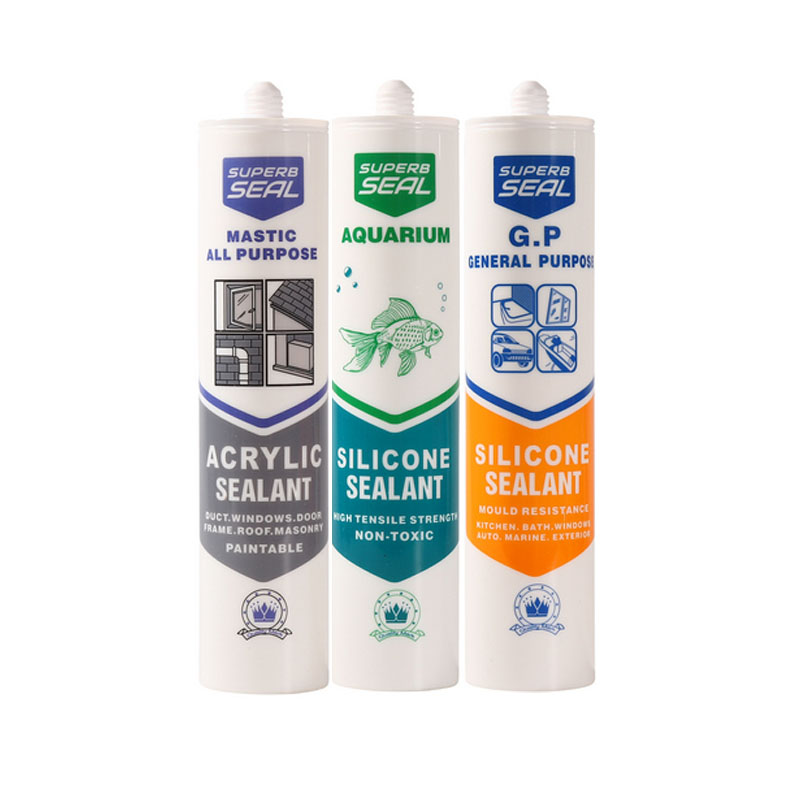
Contractors need to know when a joint is ready for water, paint, or traffic. All-purpose silicone seems simple, but drying and curing are not the same thing. Understanding the timeline protects the finish and the warranty.
Most all-purpose silicone sealants skin over in 10 to 30 minutes. The surface feels dry and no longer sticks to a light touch. This stage is useful for cleanup, but it does not mean the joint is ready for stress.
Curing means the silicone has fully cross-linked from the surface through the whole bead. Until that happens, the joint remains weak. A thin 3 mm bead may cure in 24 hours, while a thick 6 mm bead can need 48 hours or more.
A quality all-purpose silicone sealant usually skins in 10 to 30 minutes and reaches full cure in about 24 hours at 25 °C and 50% humidity. Always check the manufacturer label, because formulas vary.
Temperature, humidity, and bead size all affect curing speed. Low humidity slows the reaction. Cold air below 5 °C can extend cure time to several days. A very thick bead cures from the outside in, so the center stays soft longer than the surface suggests.
Fully cured silicone feels firm and elastic throughout the bead. Pressing it leaves no mark. The color looks uniform, and the surface no longer has a fresh tack. If the bead still feels gummy or soft inside, give it more time.
Wait at least 24 hours before exposing the joint to water. In bathrooms and kitchens, 48 hours is safer. If the job site is cold or humid, add another day. Rushing this step causes leaks and rework.
Clean, dry surfaces let silicone grip and cure evenly. Remove dust, oil, and old caulk. Apply a consistent bead so no thick spots stay soft. For interior paintable seams, an acrylic mastic sealant can be a faster, paint-friendly option.
Keep the work area between 10 °C and 32 °C with moderate humidity. A small humidifier helps in very dry climates. Avoid direct drafts from heaters or fans, which can skin the surface too fast and trap solvents inside.
For load-bearing glass or structural joints, standard all-purpose silicone is not enough. A two-component structural silicone sealant is engineered for those demanding applications.
Plan the job around the cure schedule. Check the bead thickness, the weather, and the product data sheet before calling the seal complete. A little patience at the start prevents callbacks later.
Copyright 2019 by Hangzhou Silicone Tech Adhesive Co., Ltd. All rights reserved.
Bathroom Sealant | Acrylic Sealant | Dow Corning 795 | Aquarium Sealant | Dow Corning 732 | Clear Silicone Sealant | Polysulfide Sealant | Glazing Sealant | Mirror Sealant | IG Sealant
Powered by Onepound


