E-mail:
sales@silicone-sealant-china.com

Ventilation Requirements for Applying Bathroom Sealant
Proper ventilation during bathroom sealant application is essential for safety, performance, and long-term durability. Inadequate airflow can trap fumes, slow drying, and compromise adhesion, leading to costly repairs. This guide explains why ventilation matters, how to assess airflow needs, and practical steps to maintain a safe workspace.
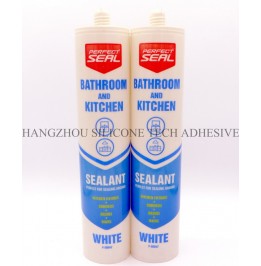
Sealants release volatile organic compounds (VOCs) and other fumes as they cure, which can accumulate in poorly ventilated areas.
Preventing Fume Buildup
Many sealants contain solvents or chemicals that emit strong odors during curing. Without adequate ventilation, these fumes can linger, causing headaches, dizziness, or respiratory irritation for occupants. Opening windows or using exhaust fans helps disperse fumes, creating a safer environment.
Accelerating Drying Time
Sealants rely on airflow to evaporate moisture and solvents. In stagnant air, curing slows, leaving the sealant tacky or soft for longer. This increases the risk of dust contamination, fingerprints, or accidental damage before the sealant fully hardens. Proper ventilation ensures faster, more consistent drying.
Reducing Mold and Mildew Risk
Bathrooms are naturally humid, and sealant application adds temporary moisture to the air. Without ventilation, trapped humidity creates ideal conditions for mold and mildew growth beneath or around the sealant. Good airflow helps lower humidity levels, protecting both the sealant and surrounding surfaces.
Evaluating your workspace helps determine the right ventilation strategy for the project size and bathroom layout.
Evaluating Natural Airflow
Check for windows, vents, or gaps under doors that allow air exchange. In small bathrooms with limited openings, natural airflow may be insufficient, requiring mechanical assistance. For larger spaces with multiple windows, natural ventilation alone might suffice during mild weather.
Measuring Humidity Levels
High humidity slows sealant curing and encourages mold. Use a hygrometer to monitor relative humidity before starting. Ideally, levels should stay below 60% during application and drying. If humidity is consistently higher, plan to use dehumidifiers or extend drying times.
Identifying Confined Spaces
Enclosed bathrooms without windows or exterior vents need extra attention. Even a partially enclosed shower stall or narrow layout can restrict airflow. In these cases, prioritize mechanical ventilation, such as portable fans or temporary exhaust systems, to ensure adequate air exchange.
Implement these strategies to maintain optimal airflow without disrupting the sealing process.
Using Exhaust Fans Effectively
Turn on bathroom exhaust fans before, during, and after application. Position fans to draw air away from the workspace and toward open windows or vents. For best results, run fans continuously for at least 24–48 hours post-application to ensure complete curing.
Opening Windows and Doors
Create cross-ventilation by opening windows on opposite sides of the bathroom or adjacent rooms. If windows are limited, prop open the bathroom door and use a box fan to push air outward. Avoid sealing off the area, as this traps fumes and moisture.
Employing Portable Fans
In windowless bathrooms or during cold weather, use oscillating or box fans to circulate air. Place fans near the sealant application area but avoid blowing directly onto wet sealant, as this can cause uneven drying or dust contamination. Angle fans upward to disperse fumes without disrupting the curing process.
Scheduling Application During Low-Humidity Periods
Choose a day with moderate temperature and low humidity for sealing projects. Avoid rainy or humid seasons, as excess moisture in the air prolongs drying times. If scheduling isn’t flexible, use dehumidifiers to reduce indoor humidity before starting.
Even minor oversights can undermine ventilation efforts and affect sealant performance.
Blocking Airflow During Application
Avoid closing doors or windows once you’ve started sealing. Trapping air inside slows curing and concentrates fumes. If privacy is a concern, use a temporary screen or curtain instead of sealing off the space entirely.
Ignoring Humidity Fluctuations
Humidity levels can change throughout the day. Check the hygrometer periodically and adjust ventilation as needed. For example, if humidity rises in the afternoon, turn up exhaust fans or open additional windows to compensate.
Rushing the Drying Process
While ventilation accelerates drying, avoid using high-heat sources like hairdryers or space heaters to speed up curing. Excessive heat can cause the sealant to crack or bubble, compromising its waterproof seal. Stick to natural or fan-driven airflow for best results.
By prioritizing ventilation and adapting strategies to your bathroom’s layout and climate, you can ensure sealants cure properly, fumes dissipate quickly, and mold risks stay low. This attention to detail protects both your health and the longevity of your bathroom renovation.
Copyright 2019 by Hangzhou Silicone Tech Adhesive Co., Ltd. All rights reserved.
Bathroom Sealant | Acrylic Sealant | Dow Corning 795 | Aquarium Sealant | Dow Corning 732 | Clear Silicone Sealant | Polysulfide Sealant | Glazing Sealant | Mirror Sealant | IG Sealant
Powered by Onepound


