E-mail:
sales@silicone-sealant-china.com

Avoiding Water Exposure During Sealant Curing Time
Proper curing is essential for sealants to form a durable, waterproof bond. Exposing them to water too soon can disrupt the chemical process, leading to weak adhesion, discoloration, or mold growth. Understanding curing timelines and environmental factors helps prevent costly repairs and ensures long-lasting performance.
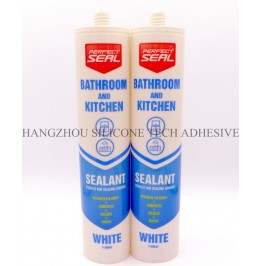
Sealants rely on controlled chemical reactions to harden and bond to surfaces. Water interference can compromise this process in several ways.
Interrupting Chemical Cross-Linking
Most sealants cure through cross-linking, where molecules form strong bonds to create a solid structure. Water introduced too early can dilute or wash away curing agents, preventing proper cross-linking. This results in a soft, tacky surface that fails to repel water effectively.
Weakening Adhesion to Substrates
Sealants need time to anchor themselves to surfaces like tiles, glass, or metal. Premature water contact creates a barrier between the sealant and substrate, reducing adhesion strength. Over time, this can cause peeling, cracking, or gaps where water can seep through.
Encouraging Mold and Mildew Growth
Even small amounts of trapped moisture during curing create ideal conditions for mold. If water pools on or beneath the sealant, it may remain damp for days, fostering microbial growth. This not only damages the sealant but also poses health risks in humid environments like bathrooms or kitchens.
Curing duration varies based on sealant type, environmental conditions, and application thickness.
Type of Sealant
Different formulations cure at different rates. Silicone-based sealants typically take 24–48 hours to form a basic skin but may require up to 7 days for full curing. Acrylic or latex sealants dry faster, often within 4–6 hours for surface dryness, but still need 24–48 hours for complete hardening. Always check the manufacturer’s guidelines for specific timelines.
Environmental Conditions
Temperature and humidity play critical roles. High humidity slows evaporation, extending curing time, while low humidity may accelerate drying but risk cracking if the sealant dries too quickly. Ideal curing conditions are around 70°F (21°C) with 50% relative humidity. In colder or damper climates, extend the waiting period by 12–24 hours.
Thickness of Application
Thicker sealant beads take longer to cure than thin layers. For example, a ¼-inch bead may require an extra day compared to a ⅛-inch application. Avoid applying sealant in extreme thicknesses, as uneven curing increases vulnerability to water damage.
Implement these strategies to shield freshly applied sealant from water until it’s fully cured.
Blocking Access to Wet Areas
For showers, sinks, or countertops, close off the treated area with plastic sheeting or tape. Use waterproof barriers to prevent accidental splashes from faucets or cleaning activities. If sealing a shower floor, avoid using the space entirely until the curing period ends.
Adjusting Daily Routines
Plan sealing projects around household water use. For example, avoid applying sealant before a day of heavy cooking or laundry, as steam and splashes can accelerate moisture exposure. Schedule curing during periods when the area is least likely to be disturbed, such as overnight or while on vacation.
Monitoring Humidity Levels
Use a hygrometer to track indoor humidity. If levels exceed 60%, run a dehumidifier or exhaust fan to lower moisture in the air. In naturally humid climates, extend the curing timeline by 24–48 hours to account for slower drying.
Using Temporary Water Diversion Methods
For sinks or tubs, plug drains and line the basin with a towel to catch accidental drips. Place a shallow tray beneath faucets to redirect water away from freshly sealed joints. In showers, hang a waterproof curtain or tarp to shield walls and floors during curing.
Even minor oversights can ruin sealant performance. Avoid these errors to ensure a successful cure.
Assuming Surface Dryness Equals Full Curing
Sealants may feel dry to the touch within hours but remain soft underneath. Testing with a fingernail or plastic tool can reveal tackiness, indicating incomplete curing. Always wait the full recommended time before exposing the sealant to water, even if the surface appears dry.
Overlooking Steam and Condensation
Hot showers or boiling water create steam that settles on surfaces as condensation. This moisture is just as harmful as direct water contact. After sealing, avoid activities that generate steam until the curing period ends. Use ventilation fans to disperse lingering humidity.
Rushing to Clean Surfaces
Cleaning tools or spills near freshly sealed areas can introduce water. Wait until the curing process is complete before wiping down tiles, countertops, or fixtures. If necessary, use a dry cloth to blot spills without spreading moisture.
By respecting curing timelines and taking proactive steps to shield sealant from water, you ensure a strong, waterproof bond that protects surfaces for years. This attention to detail minimizes the risk of adhesion failure, mold, and costly repairs down the line.
Copyright 2019 by Hangzhou Silicone Tech Adhesive Co., Ltd. All rights reserved.
Bathroom Sealant | Acrylic Sealant | Dow Corning 795 | Aquarium Sealant | Dow Corning 732 | Clear Silicone Sealant | Polysulfide Sealant | Glazing Sealant | Mirror Sealant | IG Sealant
Powered by Onepound


