E-mail:
sales@silicone-sealant-china.com

Protecting Your Skin from Irritation When Working with Bathroom Sealants
Bathroom sealants, while essential for waterproofing and preventing mold, often contain chemicals that can irritate the skin. Direct contact during application or cleanup may cause redness, itching, or dryness, especially for those with sensitive skin. Understanding risks and adopting preventive measures ensures a safer sealing process without compromising results.
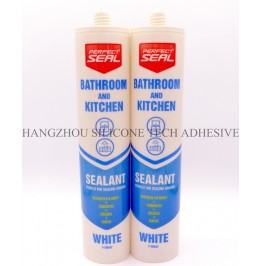
The composition of sealants includes solvents, adhesives, and preservatives that trigger reactions in some individuals.
Chemical Components in Sealants
Many sealants contain volatile organic compounds (VOCs), such as acetone or toluene, which evaporate during curing. These solvents dissolve oils on the skin’s surface, disrupting its natural barrier and leading to dryness or cracking. Some formulations also include biocides to prevent mold, which may cause allergic reactions in sensitive users.
Prolonged or Repeated Exposure
Even low-irritant sealants can harm skin over time. Frequent handling without protection strips away moisture, leaving hands vulnerable to cracks or infections. Workers in professional settings, such as plumbers or contractors, face higher risks due to daily exposure.
Inadequate Ventilation During Application
Poor airflow traps fumes near the skin, increasing absorption of irritants. Breathing in these chemicals can also indirectly affect skin health by weakening the body’s overall defense mechanisms. Symptoms like rashes or hives may appear hours after exposure, complicating diagnosis.
Adopting these habits reduces irritation risk without slowing down your workflow.
Wearing Protective Gloves
Choose nitrile or neoprene gloves over latex, as they resist chemical penetration better and are less likely to cause allergic reactions. Ensure gloves fit snugly but allow dexterity for precise application. Discard single-use gloves after each session to avoid cross-contamination.
Using Barrier Creams on Exposed Skin
Apply a thick, waterproof barrier cream to hands and wrists before putting on gloves. These creams create a protective layer that prevents sealant chemicals from reaching the skin. Look for products labeled “chemical-resistant” and reapply as needed during long projects.
Covering Clothing and Limbs
Wear long sleeves and pants to shield arms and legs from accidental splatters. Opt for old, washable clothing, as sealant residue may stain fabric. If working overhead, such as sealing shower ceilings, wear a hat or hair cover to prevent droplets from landing on your scalp or face.
Avoiding Direct Hand Contact with Sealant
Use tools like caulking guns and smoothing sticks to apply and shape sealant instead of fingers. If adjustments are necessary, wrap your fingertips in plastic wrap or use a dedicated spatula. This minimizes skin exposure while maintaining control over the application process.
Even with precautions, minor contact may occur. Prompt action alleviates discomfort and prevents long-term damage.
Immediately Washing Exposed Areas
Rinse skin thoroughly with lukewarm water and mild soap after finishing work. Avoid hot water, as it strips oils and worsens dryness. Use a soft cloth to gently remove residue without scrubbing, which can aggravate irritation.
Applying Moisturizers to Restore Hydration
Pat skin dry and apply a fragrance-free, hypoallergenic moisturizer to lock in moisture. Look for ingredients like ceramides or glycerin, which repair the skin barrier. Reapply moisturizer throughout the day, especially if hands feel tight or itchy.
Monitoring for Allergic Reactions
Watch for signs of allergic dermatitis, such as persistent redness, swelling, or blisters. If symptoms worsen or spread, consult a healthcare provider. They may recommend antihistamines or topical corticosteroids to reduce inflammation and promote healing.
Avoid these errors to protect your skin during sealing projects.
Reusing Contaminated Gloves or Tools
Sealant residue on gloves or applicators can transfer to skin during subsequent uses. Always discard disposable gloves after one session and clean reusable tools with solvent or soap and water before storing them.
Skipping Pre-Work Skin Preparation
Neglecting barrier creams or protective clothing leaves skin vulnerable to immediate and delayed reactions. Even quick tasks require preparation, as brief exposure can still cause irritation.
Ignoring Ventilation While Cleaning Up
Fumes from cleaning solvents or uncured sealant can irritate skin and lungs. Open windows or use fans to disperse odors during cleanup. Avoid working in enclosed spaces without airflow, as concentrated chemicals heighten health risks.
By prioritizing skin protection and adopting safe practices, you can complete bathroom sealing projects without discomfort or long-term harm. These steps ensure both effective waterproofing and personal well-being.
Copyright 2019 by Hangzhou Silicone Tech Adhesive Co., Ltd. All rights reserved.
Bathroom Sealant | Acrylic Sealant | Dow Corning 795 | Aquarium Sealant | Dow Corning 732 | Clear Silicone Sealant | Polysulfide Sealant | Glazing Sealant | Mirror Sealant | IG Sealant
Powered by Onepound


