E-mail:
sales@silicone-sealant-china.com

Keeping Children Safe During Sealant Application Projects
Sealant application in homes, particularly in areas like bathrooms or kitchens, involves chemicals and tools that pose risks to children. Curiosity or accidental contact with wet sealant, fumes, or sharp tools can lead to injuries or health issues. Implementing clear safety measures ensures a child-free environment during the process and protects their well-being.
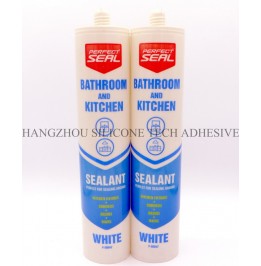
Children face unique dangers due to their behavior and physical vulnerability. Understanding these risks helps reinforce the importance of strict safety protocols.
Exposure to Harmful Chemicals
Most sealants contain solvents, adhesives, and preservatives that emit fumes during application and curing. Inhaling these vapors can irritate a child’s sensitive respiratory system, causing coughing, wheezing, or dizziness. Direct skin contact with uncured sealant may also lead to rashes or allergic reactions, especially in toddlers who explore surfaces by touching.
Risk of Physical Injuries
Sealant tools like caulking guns, utility knives, or scrapers are sharp and heavy. Children might grab these items out of curiosity, leading to cuts or punctures. Additionally, slippery surfaces coated with sealant or cleaning agents increase the likelihood of falls, which can cause bruises, fractures, or head injuries in young children.
Disruption of the Work Process
Children’s movements or attempts to “help” can accidentally smear wet sealant, creating uneven surfaces or forcing rework. This not only wastes time and materials but also extends the period during which chemicals remain active, increasing their exposure risk. Keeping children away ensures efficient, safe completion of the project.
Use a combination of physical barriers and clear communication to create a secure environment.
Creating a Dedicated Work Zone
Designate the area being sealed as off-limits by using baby gates, closed doors, or temporary fencing. Place visible signs like “Do Not Enter” or “Work in Progress” at entry points to remind household members and caregivers to keep children away. For open spaces, use brightly colored tape to mark boundaries children understand to avoid.
Scheduling Work During Low-Activity Times
Choose a time when children are asleep, at school, or occupied elsewhere in the home. Early mornings or late evenings often work best, as fewer people are moving around. If the project spans multiple days, coordinate with a partner or family member to supervise children in a separate room or outdoor area during active work hours.
Explaining Safety Rules in Age-Appropriate Ways
For older children, calmly explain why they cannot enter the work zone. Use simple language like, “The glue here can make you sick if you touch it,” or “Sharp tools might hurt you.” Younger children respond better to visual cues, such as pointing to warning signs or demonstrating how to stay behind barriers. Reinforce rules consistently to build understanding.
Using Childproofing Tools for Added Security
Lock doors to the work area with childproof locks or deadbolts if possible. Place doorknob covers on handles to prevent toddlers from opening doors independently. For sliding doors or large openings, use heavy furniture or weighted barriers to block access temporarily. Always double-check that barriers are secure before starting work.
Keep children engaged and supervised in safe spaces to minimize the temptation to explore the work zone.
Organizing Supervised Play in Another Room
Set up toys, games, or crafts in a room far from the sealing project. Assign a responsible adult to stay with children and lead activities that hold their attention, such as reading stories or playing with building blocks. Avoid leaving children unattended, even for short periods, as curiosity can lead them to wander.
Encouraging Outdoor Play When Possible
If weather permits, take children to a park, backyard, or friend’s house during sealing work. Fresh air and physical activity help them burn energy while staying away from hazardous areas. Ensure they wear appropriate clothing and sunscreen if spending time outside, and establish a clear return time to maintain routine.
Providing Snacks or Meals in a Safe Location
Serve food in a dining area or kitchen far from the work zone to avoid attracting children with smells or activity. Clean up spills immediately to prevent slipping hazards. If children need to pass near the work area to access bathrooms or bedrooms, guide them quickly and remind them not to touch anything along the way.
Avoid these oversights to ensure a truly child-proof environment.
Assuming Short Absences Are Safe
Even a quick trip to grab tools or answer the door can leave children unsupervised near wet sealant or sharp objects. Always pause work to accompany children if they need to move through the area, or ask another adult to handle interruptions. Never leave children alone in a room adjacent to the work zone.
Underestimating Curiosity About Tools or Materials
Children may view sealant tubes, caulking guns, or scrapers as toys. Store all tools and unused sealant in locked cabinets or high shelves immediately after use. Dispose of empty containers or rags soaked in chemicals in sealed bags to prevent accidental ingestion or contact.
Neglecting to Secure Pets Along With Children
Pets can knock over barriers or carry sealant residue on their fur, posing a risk if children pet them later. Keep pets in a separate room or crate during work, and wash their paws if they accidentally walk through the work area. This reduces cross-contamination risks for both children and animals.
By implementing these measures, parents and caregivers can create a safe environment during sealant application projects. Prioritizing communication, supervision, and physical barriers ensures children stay protected from chemical and physical hazards throughout the process.
Copyright 2019 by Hangzhou Silicone Tech Adhesive Co., Ltd. All rights reserved.
Bathroom Sealant | Acrylic Sealant | Dow Corning 795 | Aquarium Sealant | Dow Corning 732 | Clear Silicone Sealant | Polysulfide Sealant | Glazing Sealant | Mirror Sealant | IG Sealant
Powered by Onepound


