E-mail:
sales@silicone-sealant-china.com

Bathroom Sealants and Food Contact: Key Safety Considerations
Bathroom sealants are essential for preventing water damage and mold growth, but their chemical composition raises concerns when used near food preparation areas or kitchenware. Understanding the risks and implementing preventive measures ensures both effective sealing and food safety.
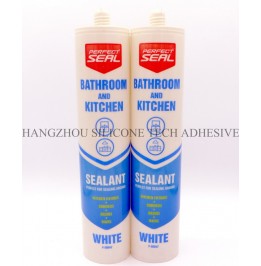
Most bathroom sealants contain organic silicon, polyurethane, or acrylic-based polymers, along with solvents, plasticizers, and preservatives. While these ingredients are generally stable after curing, some formulations may include additives like heavy metals, phthalates, or volatile organic compounds (VOCs) that pose health risks if ingested or inhaled.
Uncured Sealants and Volatile Emissions
During application, uncured sealants release fumes that can irritate the respiratory system and eyes. Some formulations may also leave residual chemicals on surfaces, which could migrate to food if sealants are applied near countertops, sinks, or food storage areas. For example, phthalates, commonly used as plasticizers, have been linked to endocrine disruption and developmental issues in children.
Industrial-Grade Sealants and Harmful Additives
Certain industrial-grade sealants may contain toxic substances like lead, mercury, or flame retardants to enhance performance. These additives are strictly regulated in food-contact materials but may still appear in general-purpose sealants. Using such products near food zones increases the likelihood of chemical leaching, especially when exposed to heat, acidic foods, or prolonged contact.
Misuse of bathroom sealants in food-related areas can lead to contamination. Common risky scenarios include:
Applying Sealants Near Kitchen Sinks or Countertops
If sealants are used to fix gaps around kitchen sinks or countertops without proper barriers, residual chemicals may transfer to dishes, utensils, or food preparation surfaces. For instance, a study highlighted that certain sealants containing polyurethane released trace amounts of isocyanates—a respiratory irritant—when exposed to moisture over time.
Using Non-Food-Grade Sealants for Kitchenware Repair
Repairing cracked ceramic bowls, cutting boards, or storage containers with bathroom sealants introduces toxic substances into food. Unlike food-grade silicone, which is formulated to withstand high temperatures and resist chemical degradation, bathroom sealants may break down under heat or acidic conditions, releasing harmful compounds.
Storing Food in Containers Sealed with Non-Compliant Materials
Some DIY projects involve using sealants to create makeshift storage solutions, such as sealing jars or bottles. If the sealant is not certified for food contact, it may contain additives like bisphenol A (BPA) or per- and polyfluoroalkyl substances (PFAS), which are known to disrupt hormones and accumulate in the body over time.
Adopting the following practices minimizes the risk of chemical exposure in food-related areas:
Selecting Low-Risk Formulations for Non-Food Zones
Choose sealants labeled as “low-VOC” or “water-based” for bathroom applications, as these emit fewer harmful fumes during curing. Avoid products containing phthalates, formaldehyde, or heavy metals, especially if the sealed area is adjacent to a kitchen or dining space.
Creating Physical Barriers Between Sealed and Food Zones
Use caulk guards or painter’s tape to prevent sealant overflow onto countertops or sink edges. After application, wipe down adjacent surfaces with a damp cloth to remove any accidental splatters. For long-term protection, install a backsplash or trim to separate sealed areas from food preparation zones.
Avoiding Sealants for Food-Related Repairs or Storage
Never use bathroom sealants to fix kitchenware, storage containers, or appliances. Instead, opt for food-grade silicone or epoxy resins certified by regulatory bodies like the FDA or EFSA. These products are designed to resist degradation from heat, acids, and oils, ensuring they won’t leach chemicals into food.
Ensuring Proper Curing Time Before Food Contact
Allow sealants to cure fully—typically 24–72 hours, depending on the formulation—before placing food items or utensils near the sealed area. Even low-toxicity sealants may release residual solvents or monomers during curing, which can contaminate surfaces if not given adequate time to evaporate.
While bathroom sealants are not typically certified for food contact, understanding global standards helps identify safer alternatives:
FDA Compliance in the United States
The U.S. Food and Drug Administration (FDA) regulates materials that come into contact with food under Title 21 of the Code of Federal Regulations (CFR). Products labeled as “FDA-compliant” for indirect food contact must meet strict limits on chemical migration and toxicity.
EFSA Guidelines in the European Union
The European Food Safety Authority (EFSA) evaluates the safety of food-contact materials under Regulation (EC) No 1935/2004. Sealants used near food must demonstrate that they do not transfer harmful substances to food at levels exceeding established thresholds.
Avoiding Misleading Claims
Be cautious of products marketed as “natural” or “non-toxic” without third-party certifications. Some manufacturers use vague labeling to imply safety, but only certifications from recognized bodies like NSF International or the German Food and Feed Code (LFGB) guarantee compliance with food-safety standards.
By prioritizing proper product selection, application techniques, and regulatory awareness, households can mitigate the risks of food contamination from bathroom sealants while maintaining effective waterproofing and mold prevention.
Copyright 2019 by Hangzhou Silicone Tech Adhesive Co., Ltd. All rights reserved.
Bathroom Sealant | Acrylic Sealant | Dow Corning 795 | Aquarium Sealant | Dow Corning 732 | Clear Silicone Sealant | Polysulfide Sealant | Glazing Sealant | Mirror Sealant | IG Sealant
Powered by Onepound


