E-mail:
sales@silicone-sealant-china.com

Pet Safety After Sealant Application: How Long to Keep Them Away
Sealants are essential for maintaining clean, waterproof surfaces in homes, but their chemical composition poses risks to pets if not handled carefully. After application, pets may face exposure to fumes, wet surfaces, or residual chemicals, leading to health issues ranging from skin irritation to respiratory distress. Understanding the curing process and implementing safety measures ensures pets stay protected during and after sealant projects.
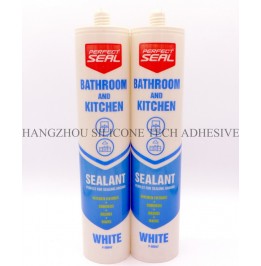
Pets interact with their environment through touch, smell, and taste, making them vulnerable to sealant-related hazards. Their smaller size and faster metabolism also amplify the effects of chemical exposure compared to humans.
Exposure to Fumes and Volatile Organic Compounds (VOCs)
Most sealants release fumes during curing, containing VOCs like acetone, xylene, or formaldehyde. These compounds irritate pets’ sensitive respiratory systems, causing coughing, sneezing, or difficulty breathing. Cats and birds, with their delicate lungs, are particularly at risk, while dogs may develop lethargy or nausea from prolonged inhalation.
Contact with Wet or Tacky Sealant
Pets walking or lying on uncured sealant may get the substance stuck to their fur or paws. Ingestion during grooming can lead to stomach upset, vomiting, or diarrhea. Some sealants also contain plasticizers or solvents that cause chemical burns if left on skin for extended periods, especially in short-haired breeds or animals with sensitive skin.
Ingestion of Dried Sealant Flakes
As sealant cures, it may flake or peel in areas where pets scratch or chew. Ingesting these particles can block the digestive tract or introduce toxic substances into the bloodstream. Puppies and kittens, prone to exploring with their mouths, are especially likely to chew on hardened sealant edges near floors or furniture.
The duration pets must avoid sealed areas depends on several variables, including sealant type, environmental conditions, and application method.
Type of Sealant Used
Water-based sealants generally cure faster and emit fewer fumes than solvent-based or polyurethane formulas. For example, acrylic sealants may become touch-dry within 2–4 hours, while silicone-based products take 24–48 hours to fully cure. Epoxy sealants, often used in high-moisture areas, require up to 72 hours to harden completely and stop off-gassing.
Humidity and Temperature
High humidity slows curing by preventing moisture evaporation, extending the time sealant remains tacky or emits fumes. Conversely, low humidity in arid climates may accelerate drying but increase the concentration of airborne VOCs. Temperature plays a similar role: cold weather prolongs curing, while heat speeds it up but may intensify fume release during the process.
Application Thickness and Surface Porosity
Thicker sealant layers take longer to cure than thin, even coats. Porous surfaces like concrete or wood absorb some of the product, reducing drying time, while non-porous materials like tile or glass may leave residual tackiness for hours. Sealing gaps or joints also requires more material, extending the curing period compared to flat surface applications.
Implement these strategies to create a safe environment for pets during and after sealant projects.
Follow Manufacturer’s Curing Recommendations
Check the sealant packaging for specific guidance on drying and curing times. Manufacturers often provide a “safe for foot traffic” timeline, which typically applies to humans but can be extended for pets. For example, if a label states “24 hours until dry,” keep pets away for at least 48 hours to account for their lower tolerance to chemicals.
Use Physical Barriers to Block Access
Install baby gates, closed doors, or temporary fencing around the sealed area to prevent pets from entering. For open spaces, place heavy objects like furniture or weighted boxes along the perimeter to deter curious animals. If sealing a high-traffic zone like a hallway, redirect pets through alternative routes using treats or toys as incentives.
Ventilate the Area During and After Application
Open windows and use fans to circulate fresh air, reducing fume concentration. Place pets in a well-ventilated room or outdoor space (weather permitting) during application and curing. Avoid using air purifiers with ozone generators, as ozone can irritate pets’ lungs and worsen respiratory symptoms.
Monitor Pets for Signs of Exposure
Even after the recommended curing time, watch for symptoms like excessive drooling, paw licking, sneezing, or lethargy. If pets show signs of distress, move them to a clean, well-ventilated area and contact a veterinarian immediately. Keep the sealant packaging handy to provide ingredient information to medical professionals if needed.
Avoid these oversights to ensure pets remain safe throughout the curing process.
Assuming Quick-Dry Claims Apply to Pets
Some sealants advertise “fast-drying” formulas that harden within hours, but these often refer to surface dryness rather than full curing. Pets may still track residual chemicals on their paws or fur, leading to ingestion risks. Always double the manufacturer’s recommended time before allowing pets back into the area.
Neglecting to Clean Up Spills or Drips
Stray sealant on floors or furniture can go unnoticed until pets interact with it. Wipe down adjacent surfaces with a damp cloth after application to remove accidental splatters. Dispose of used rags or containers in sealed bags to prevent pets from chewing on them later.
Overlooking Long-Term Chemical Residue
Even after curing, some sealants continue to off-gas at low levels for weeks or months. Keep pets out of freshly sealed rooms for an extended period if they have pre-existing respiratory conditions like asthma or bronchitis. Consider using low-VOC or zero-VOC sealants to minimize long-term exposure risks.
By prioritizing proper curing times, ventilation, and supervision, pet owners can protect their animals from sealant-related hazards while maintaining effective waterproofing and mold prevention in their homes.
Copyright 2019 by Hangzhou Silicone Tech Adhesive Co., Ltd. All rights reserved.
Bathroom Sealant | Acrylic Sealant | Dow Corning 795 | Aquarium Sealant | Dow Corning 732 | Clear Silicone Sealant | Polysulfide Sealant | Glazing Sealant | Mirror Sealant | IG Sealant
Powered by Onepound


