E-mail:
sales@silicone-sealant-china.com

Compatibility Testing of Sealants on Different Surface Materials
Ensuring sealants adhere properly and maintain performance across diverse substrates requires thorough compatibility testing. This guide explores why material compatibility matters, methods to evaluate it, and key considerations for selecting the right sealant for specific surfaces.
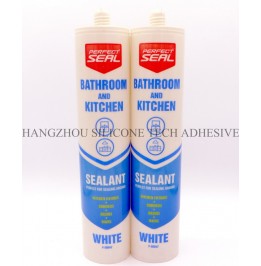
Sealants interact chemically and physically with substrates, and mismatched combinations can lead to adhesion failure, discoloration, or structural weakness.
Chemical Reactions Between Sealant and Substrate
Some sealants contain solvents or additives that react with certain materials. For example, silicone-based sealants may degrade when applied to alkaline surfaces like concrete, while acrylic sealants could soften when exposed to oil-based coatings on metals. These reactions weaken the bond and reduce the sealant’s lifespan.
Thermal Expansion Differences
Materials expand and contract at varying rates under temperature changes. If a sealant lacks flexibility to accommodate these movements, cracks or debonding may occur. For instance, rigid epoxy sealants might fail on aluminum surfaces subjected to frequent thermal cycling, whereas flexible polyurethane options could perform better.
Surface Porosity and Texture
Porous materials like wood or natural stone absorb sealants differently than non-porous options like glass or glazed ceramics. Inconsistent absorption can lead to uneven curing, bubbling, or poor adhesion. Testing helps identify how a sealant penetrates and bonds to the substrate’s unique texture.
Conducting controlled tests on small sample areas ensures reliable results before full-scale application.
Spot Testing on Inconspicuous Areas
Apply a small amount of sealant to a hidden section of the substrate, such as behind a fixture or under a countertop edge. Allow it to cure for the manufacturer’s recommended time, then inspect for signs of discoloration, softening, or adhesion loss. Press lightly with a fingernail or plastic tool to check for tackiness or peeling.
Accelerated Aging Tests
Simulate long-term exposure by subjecting sealed samples to extreme conditions. Place test pieces in a high-humidity environment, expose them to direct sunlight for several days, or cycle them through hot and cold temperatures. Afterward, evaluate the sealant for cracking, shrinkage, or separation from the substrate.
Mechanical Stress Testing
For surfaces subject to movement or pressure, test the sealant’s flexibility and strength. Bend or twist sealed samples to mimic joint movement, or apply pressure to assess resistance to compression. Flexible sealants should return to their original shape without cracking, while rigid options may show signs of stress fractures.
Different materials demand tailored testing approaches to account for their unique properties.
Testing on Porous Surfaces (Wood, Stone, Concrete)
Porous substrates absorb moisture and sealant components, which can affect curing. Before testing, ensure the surface is clean and dry. Apply sealant and monitor for uneven drying or bubbling, which may indicate trapped air or moisture. For stone, check for staining caused by sealant ingredients leaching into the material.
Testing on Non-Porous Surfaces (Glass, Metal, Glazed Ceramics)
Non-porous materials rely entirely on chemical adhesion for sealant performance. Clean the surface thoroughly to remove oils, dust, or residues that could interfere with bonding. During testing, look for cohesive failure (sealant pulling away from itself) versus adhesive failure (sealant detaching from the substrate), as the latter indicates incompatibility.
Testing on Composite or Coated Surfaces (Laminates, Painted Finishes)
Composites or coated materials often have layers that respond differently to sealants. For example, a painted metal surface might require a primer to enhance adhesion, while laminated countertops could need a sealant compatible with their resin layer. Test on scrap pieces to confirm the sealant doesn’t damage or dissolve the coating.
Avoiding these mistakes ensures accurate results and prevents costly rework.
Skipping Surface Preparation
Even small amounts of dirt, grease, or old sealant residues can skew test outcomes. Always clean substrates with a mild detergent and water, then dry them completely before testing. For stubborn contaminants, use a solvent-free cleaner and rinse thoroughly.
Using Incorrect Curing Conditions
Sealants cure best under specific temperature and humidity ranges. Testing in overly cold, hot, or damp environments can lead to false negatives or positives. Follow the manufacturer’s guidelines for curing conditions to replicate real-world performance.
Overlooking Long-Term Effects
Short-term tests may not reveal compatibility issues that emerge over time. For critical applications, extend testing periods to weeks or months, especially for outdoor or high-traffic areas. Regularly inspect samples for gradual changes like yellowing, hardening, or loss of elasticity.
By prioritizing compatibility testing and tailoring methods to substrate properties, professionals and DIY enthusiasts can select sealants that deliver durable, reliable performance. This proactive approach minimizes adhesion failures, extends maintenance intervals, and ensures aesthetic consistency across projects.
Copyright 2019 by Hangzhou Silicone Tech Adhesive Co., Ltd. All rights reserved.
Bathroom Sealant | Acrylic Sealant | Dow Corning 795 | Aquarium Sealant | Dow Corning 732 | Clear Silicone Sealant | Polysulfide Sealant | Glazing Sealant | Mirror Sealant | IG Sealant
Powered by Onepound


