E-mail:
sales@silicone-sealant-china.com

Surface Dryness Requirements Before Applying Bathroom Sealant
Proper surface preparation is critical for ensuring the longevity and effectiveness of bathroom sealants. One of the most essential pre-application steps is achieving the right level of dryness on substrates like tiles, bathtubs, or shower enclosures. This guide explains why surface moisture control matters, how to assess dryness, and practical steps to meet requirements without compromising adhesion.
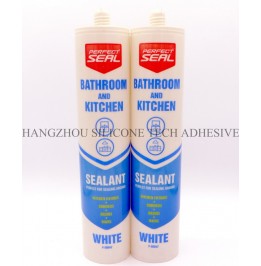
Sealants rely on strong adhesion to substrates to create a watertight barrier. Excess moisture trapped beneath or within the sealant layer can disrupt this bond, leading to premature failure.
Preventing Adhesion Loss
Moisture on surfaces creates a barrier between the sealant and substrate, preventing proper chemical bonding. Even small amounts of water can reduce the sealant’s ability to grip tiles, glass, or metal, increasing the risk of peeling or cracking over time.
Avoiding Bubble Formation
When sealant is applied to a damp surface, trapped moisture can vaporize as temperatures rise, creating air pockets or bubbles. These imperfections compromise the seal’s integrity, allowing water to penetrate and cause mold growth or structural damage.
Reducing Mold and Mildew Risk
Damp environments accelerate mold and mildew development, particularly in areas with poor ventilation. A dry surface minimizes microbial growth beneath the sealant, ensuring a hygienic and durable finish.
Determining whether a surface is sufficiently dry requires both visual inspection and tactile testing.
Visual Indicators
Look for signs of lingering moisture, such as darkened grout lines, water stains, or condensation on tiles. Pay attention to corners and joints, where water often accumulates. If the surface appears glossy or reflects light unevenly, it may still be damp.
Tactile Testing Methods
Touch the substrate with a clean, dry finger or paper towel. If the surface feels cool or leaves moisture on your skin, it needs more time to dry. For a more precise check, press a piece of absorbent material (like kitchen paper) against the area for 10–15 seconds. If it picks up dampness, the surface isn’t ready for sealant.
Using Moisture Meters
In professional settings, moisture meters can provide quantitative data on surface dryness. These devices measure the moisture content in materials like concrete or wood, helping contractors confirm readiness. For homeowners, a simple “touch and observe” approach is often sufficient.
Achieving the ideal dryness level involves controlling environmental factors and using effective drying techniques.
Improving Ventilation
Open windows or use exhaust fans to circulate air and reduce humidity. In enclosed spaces like small bathrooms, place a dehumidifier near the work area to accelerate drying. Avoid sealing windows or doors during this process, as trapped moisture will prolong wait times.
Addressing Residual Water
After cleaning surfaces, use a squeegee or microfiber cloth to remove standing water. For grout lines or textured areas, a vacuum with a brush attachment can extract trapped moisture. Allow the surface to air-dry completely afterward, as cloths may leave behind microscopic droplets.
Allowing Adequate Drying Time
The time required for surfaces to dry depends on factors like temperature, humidity, and material type. As a general rule, wait at least 24 hours after cleaning before applying sealant. In humid climates or after using water-heavy cleaning methods, extend this period to 48 hours.
Testing Substrate Materials
Different materials retain moisture differently. Porous surfaces like natural stone or unglazed tiles may take longer to dry than non-porous options like ceramic or glass. If unsure, perform a spot test by applying a small amount of sealant to an inconspicuous area and checking for adhesion after 24 hours.
Even minor oversights can undermine sealant performance. Steer clear of these pitfalls to ensure a successful application.
Rushing the Drying Process
Applying sealant too soon after cleaning or on a humid day increases the risk of adhesion failure. Patience is key—wait until the surface feels consistently dry to the touch across all areas.
Ignoring Hidden Moisture
Water can seep into cracks or beneath tiles, remaining undetected until after sealant application. Before starting, inspect the area for leaks or signs of water damage, such as discoloration or soft spots in grout.
Using Incompatible Cleaning Products
Some cleaning agents leave residues that interfere with sealant bonding. Avoid oil-based or waxy products, and rinse surfaces thoroughly with water after cleaning. For stubborn grime, use a mild detergent and follow up with a vinegar-water solution to neutralize alkaline residues.
By prioritizing surface dryness and following these guidelines, homeowners and contractors can ensure bathroom sealants adhere properly and resist moisture-related damage. This attention to detail not only extends the sealant’s lifespan but also maintains a clean, functional bathroom environment.
Copyright 2019 by Hangzhou Silicone Tech Adhesive Co., Ltd. All rights reserved.
Bathroom Sealant | Acrylic Sealant | Dow Corning 795 | Aquarium Sealant | Dow Corning 732 | Clear Silicone Sealant | Polysulfide Sealant | Glazing Sealant | Mirror Sealant | IG Sealant
Powered by Onepound


