E-mail:
sales@silicone-sealant-china.com

Maintaining Sealant Performance Over Long-Term Use
Sealants are essential for creating durable, airtight, or watertight barriers in construction, automotive, and industrial applications. However, their effectiveness can degrade over time due to environmental exposure, mechanical stress, and chemical interactions. This article explores practical strategies to preserve sealant performance during extended use, focusing on material selection, environmental control, and maintenance practices.
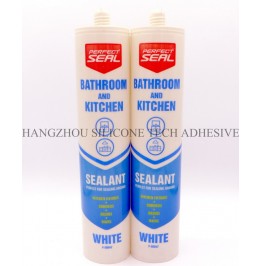
Sealant performance declines due to multiple stressors, each requiring targeted mitigation.
Environmental Exposure
Prolonged exposure to UV radiation, moisture, and temperature extremes accelerates chemical breakdown. For example, UV rays break polymer chains in silicone or acrylic sealants, leading to surface cracking and reduced elasticity. Similarly, moisture ingress can cause hydrolysis in polyurethane-based formulations, weakening adhesion to substrates.
Mechanical Stress
Repeated movement, vibrations, or thermal expansion and contraction induce cyclic loading on sealants. Over time, this can cause micro-cracking or debonding, especially in joints subjected to high flexibility demands. Automotive sealants near engine compartments, for instance, must endure constant vibration and temperature shifts without failing.
Chemical Interactions
Contact with oils, solvents, or corrosive substances can erode sealant materials. In industrial settings, exposure to acidic fumes or alkaline solutions may degrade epoxy or silicone sealants, compromising their structural integrity.
Implementing preventive measures during installation and use can significantly extend sealant lifespan.
Proper Material Selection
Choose sealants formulated for specific environmental conditions. For UV-prone areas, opt for variants with UV stabilizers or carbon black additives to block harmful radiation. In high-moisture environments, select hydrolytically stable formulations, such as those modified with silane groups to resist water penetration.
Optimized Installation Techniques
Ensure substrates are clean, dry, and free of contaminants like dust or oil, as these impair adhesion. Use primers or adhesion promoters if the substrate material is non-porous or chemically inert. Apply sealants uniformly, avoiding air pockets, and cure them at recommended temperatures to achieve full cross-linking and mechanical strength.
Environmental Control
In enclosed spaces, regulate humidity and temperature to minimize thermal cycling. For example, in HVAC systems, maintaining stable indoor climates reduces stress on sealants around ductwork. In outdoor applications, use protective coatings or barriers to shield sealants from direct sunlight or chemical splashes.
Regular inspections and timely interventions prevent minor issues from escalating into costly failures.
Periodic Inspections
Schedule visual checks for signs of cracking, discoloration, or separation from substrates. Pay attention to high-stress areas, such as corners or joints subjected to frequent movement. Use a magnifying glass or UV light to detect early-stage degradation invisible to the naked eye.
Cleaning and Surface Protection
Remove dirt, debris, or biological growth (e.g., algae, mold) from sealant surfaces, as these trap moisture and accelerate decay. Use mild detergents or specialized cleaners compatible with the sealant material. Avoid abrasive tools that may scratch or weaken the surface.
Repair and Reapplication
Address minor damage promptly by cleaning the affected area and applying a compatible sealant patch. For extensive degradation, fully remove the old sealant, prepare the substrate, and reapply a fresh layer. Ensure the replacement material matches the original in composition and flexibility to maintain uniform performance.
In high-stakes environments, additional measures can enhance long-term reliability.
Redundancy in Sealing Systems
Use dual-seal designs, combining primary and secondary sealants, to distribute stress and provide backup protection. For example, in aerospace applications, a flexible silicone sealant may be paired with a rigid epoxy layer to resist both mechanical and thermal loads.
Monitoring Technologies
Incorporate sensors or indicators to track sealant condition in real time. Embedded moisture sensors or strain gauges can alert maintenance teams to early signs of failure, enabling proactive repairs before catastrophic leaks occur.
Research-Driven Improvements
Stay updated on advancements in sealant chemistry, such as self-healing polymers or nano-enhanced formulations. These innovations can automatically repair micro-cracks or resist degradation more effectively than traditional materials.
By addressing degradation factors, adopting proactive installation and maintenance practices, and leveraging advanced technologies, industries can ensure sealants maintain their performance for decades. This approach not only reduces replacement costs but also enhances safety and operational efficiency in critical applications.
Copyright 2019 by Hangzhou Silicone Tech Adhesive Co., Ltd. All rights reserved.
Bathroom Sealant | Acrylic Sealant | Dow Corning 795 | Aquarium Sealant | Dow Corning 732 | Clear Silicone Sealant | Polysulfide Sealant | Glazing Sealant | Mirror Sealant | IG Sealant
Powered by Onepound


