E-mail:
sales@silicone-sealant-china.com

Pet accidents in bathrooms pose unique challenges, especially when fresh sealant is curing. Urine can react with uncured chemicals, compromise adhesion, and create lingering odors or health hazards. This guide provides step-by-step solutions to address contamination without disrupting the sealant’s integrity or exposing pets to harmful substances.
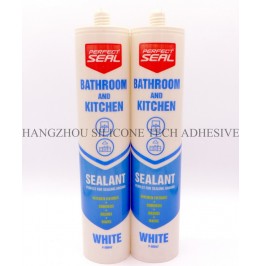
Act quickly to minimize absorption into porous surfaces like grout or unsealed tile. Place absorbent materials such as paper towels, old towels, or cat litter directly over the spill, pressing gently to soak up urine. Avoid rubbing, which can push contaminants deeper into the sealant or surrounding areas. For large spills, layer multiple towels and replace them as they become saturated.
Pet urine contains ammonia and uric acid, which can corrode fresh sealant and weaken its bond. Mix a 1:1 solution of white vinegar and water in a spray bottle and lightly mist the affected area (avoid over-saturating). Vinegar’s acidity neutralizes alkaline urine components, reducing odor and preventing chemical reactions with the sealant. Let it sit for 5–10 minutes before blotting dry with clean towels.
Restrict pet access to the bathroom until the sealant cures fully and the area is sanitized. Use baby gates or close doors to prevent recontamination. If the spill occurred near freshly applied sealant, cover the area with plastic sheeting or waterproof mats to shield it from further exposure. This step is critical for preventing pets from tracking urine residue onto cured or curing sealant.
Even after blotting, traces of urine may linger in microscopic pores. Create a cleaning paste using baking soda and water (3:1 ratio) and apply it to the affected sealant lines and grout. Gently scrub with a soft-bristled brush (avoid metal brushes, which can scratch surfaces) to lift embedded residue. Let the paste sit for 15–20 minutes, then rinse thoroughly with warm water and dry with a microfiber cloth.
Urine contains bacteria like E. coli and Staphylococcus, which can thrive in damp environments. Prepare a disinfecting solution of hydrogen peroxide (3%) and water (1:1 ratio) and spray it onto the cleaned area. Hydrogen peroxide breaks down into water and oxygen, leaving no harmful residues. Allow it to air-dry completely to kill pathogens without damaging the sealant. For persistent odors, repeat the process or use an enzyme-based cleaner designed to break down organic waste.
Avoid air fresheners or scented sprays, which can react with uncured sealant or irritate pets’ respiratory systems. Instead, sprinkle baking soda liberally over the area and let it sit overnight. Baking soda absorbs odors naturally and is safe for pets when used in moderation. Vacuum or sweep it up the next day, ensuring no residue remains on the sealant or floor.
Fresh sealant contaminated by urine may show signs like bubbling, cracking, or color changes (e.g., yellowing). Inspect the affected area under bright light, checking for gaps between the sealant and surfaces. Press gently on the sealant with a gloved finger—if it feels soft or peels away, the bond has likely weakened. Discoloration often indicates chemical reactions that require immediate attention.
Use a plastic scraper or putty knife to carefully remove compromised sealant, working at a 45-degree angle to avoid gouging surfaces. For stubborn residue, dampen a cloth with isopropyl alcohol (70%) and hold it against the sealant for 1–2 minutes to soften it. Never use acetone or solvent-based removers, which can release toxic fumes and damage tile or grout. Dispose of removed sealant in a sealed container to prevent pets from ingesting it.
Clean the area thoroughly with soap and water, then dry it completely before reapplying sealant. Choose a low-VOC, water-based formulation labeled safe for indoor use and pets. Apply a thin, continuous bead along joints, smoothing it with a caulk tool or gloved finger. Keep pets out of the bathroom for 72 hours post-application to ensure proper curing. Use fans or dehumidifiers to accelerate drying in humid environments.
Use positive reinforcement to teach pets to stay away from the bathroom, especially during and after sealant application. Reward them with treats or praise when they use designated elimination areas outdoors or in litter boxes. Install motion-activated deterrents like ultrasonic devices or sprinklers near bathroom entrances to discourage entry. Consistency is key—reinforce boundaries daily until the behavior becomes habitual.
If renovating a bathroom with pets, create physical barriers to prevent accidents. Use temporary plastic sheeting or heavy-duty tarps to cover floors and sealant work areas. Secure edges with painter’s tape to prevent pets from slipping underneath. For high-traffic zones, place absorbent pads or waterproof mats near entry points to catch stray urine before it reaches fresh sealant.
Even without contamination, sealant degrades over time due to moisture and wear. Inspect bathroom sealant every 3–6 months for cracks, shrinkage, or mold growth. Pay close attention to areas around showers, sinks, and toilets, where urine spills are most likely. Replace damaged sections promptly to maintain a watertight barrier and prevent future contamination risks.
Copyright 2019 by Hangzhou Silicone Tech Adhesive Co., Ltd. All rights reserved.
Bathroom Sealant | Acrylic Sealant | Dow Corning 795 | Aquarium Sealant | Dow Corning 732 | Clear Silicone Sealant | Polysulfide Sealant | Glazing Sealant | Mirror Sealant | IG Sealant
Powered by Onepound


