E-mail:
sales@silicone-sealant-china.com

Families with children, elderly members, or individuals with respiratory conditions or chemical sensitivities must prioritize safety when choosing bathroom sealants. The enclosed nature of bathrooms amplifies exposure to volatile organic compounds (VOCs) and other irritants, making material selection critical. This guide outlines actionable criteria to minimize health risks without compromising functionality.
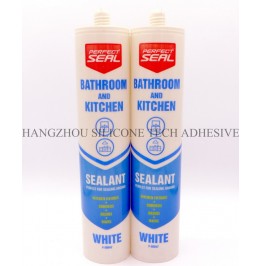
Many conventional sealants release VOCs during curing, which can trigger asthma attacks, allergies, or headaches in sensitive individuals. Solvent-based acrylic sealants, for example, often contain high levels of acetone or toluene, which irritate airways and central nervous systems. Even low-VOC alternatives may emit trace amounts of alcohols or amines, so verifying third-party certifications for ultra-low emissions is essential.
To prevent mold growth in humid bathrooms, manufacturers add biocides like isothiazolinones or formaldehyde-releasing preservatives. While effective against fungi, these chemicals can cause skin rashes, eye irritation, or respiratory distress in chemically sensitive people. Opt for sealants labeled “biocide-free” or those using natural alternatives like zinc pyrithione, which poses fewer health risks.
Phthalates, used to soften sealants, are endocrine disruptors linked to developmental issues in children and reproductive harm in adults. Some formulations also contain white oil (mineral oil), which can leach into water supplies and cause gastrointestinal discomfort. Choose phthalate-free and white-oil-free sealants that rely on silicone-based polymers for elasticity instead.
Look for certifications like French A+, German EC1 Plus, or U.S. Green Seal GS-11, which set strict limits on VOC emissions and hazardous substances. The French A+ standard, for instance, requires sealants to emit ≤1,000 μg/m³ of TVOCs over 28 days, while EC1 Plus mandates ≤60 μg/m³—a threshold suitable for hospitals and schools. These certifications ensure compliance with global health benchmarks.
Regional regulations like China’s GB 30982-2014 or EU’s REACH restrict the use of toxic chemicals in construction materials. For example, REACH bans substances like lead, cadmium, and certain phthalates in sealants sold within the European Union. Verify that the product meets local codes to avoid legal and health repercussions, especially in renovations involving children’s bathrooms or elderly care facilities.
Manufacturers may claim “low-VOC” without independent verification. Demand access to lab reports from accredited institutions like SGS or Intertek, which test for individual compounds like formaldehyde, benzene, and ammonia. A sealant labeled “formaldehyde-free” should have undetectable levels (<0.05 ppm) in testing, ensuring safety for asthma sufferers or those with multiple chemical sensitivity (MCS).
Proper airflow reduces exposure to curing emissions. Open windows and use exhaust fans to create cross-ventilation, replacing contaminated air with fresh outdoor air. For enclosed bathrooms, run fans continuously for 72 hours post-application, even if the sealant claims to cure quickly. In windowless spaces, use portable air purifiers with HEPA and activated carbon filters to trap VOCs and particulates.
Installers should wear N95 respirators, gloves, and goggles to avoid direct contact with uncured sealant, which can cause skin irritation or chemical burns. Sensitive household members should stay out of the bathroom during application and for 48–72 hours afterward, depending on ventilation efficiency. If relocation isn’t possible, seal off the bathroom with plastic sheeting and use a standalone air purifier in adjacent rooms.
Residual sealant on tools or surfaces can continue emitting VOCs. Wipe down all equipment with water or solvent-free cleaners immediately after use to prevent off-gassing. For spills, scrape off solid residues and clean the area with mild detergents to avoid harsh chemicals that react with uncured sealant. Avoid acetone or ammonia-based cleaners, which can release additional irritants.
Degraded sealants lose their barrier function, allowing moisture to seep in and foster mold growth—a double threat to sensitive individuals. Inspect sealants annually for signs of shrinkage, discoloration, or peeling, especially around showers, sinks, and tubs. Replace damaged sections promptly with low-risk alternatives to prevent long-term exposure to hidden contaminants.
Bleach, ammonia, and abrasive scrubs can erode sealants, releasing trapped VOCs or creating micro-cracks where mold thrives. Use pH-neutral cleaners and soft cloths to maintain sealant integrity. For stubborn stains, opt for enzyme-based cleaners, which break down organic matter without damaging the material or releasing harmful fumes.
If current sealants show signs of degradation or fail emission tests, consider reapplying with a certified low-risk product. For high-traffic bathrooms, choose silicone-based or hybrid polymer sealants, which offer superior durability and lower VOC profiles compared to acrylic or latex options. Prioritize formulations designed for sensitive environments, even if they require professional installation to ensure proper application.
Copyright 2019 by Hangzhou Silicone Tech Adhesive Co., Ltd. All rights reserved.
Bathroom Sealant | Acrylic Sealant | Dow Corning 795 | Aquarium Sealant | Dow Corning 732 | Clear Silicone Sealant | Polysulfide Sealant | Glazing Sealant | Mirror Sealant | IG Sealant
Powered by Onepound


