E-mail:
sales@silicone-sealant-china.com

After applying sealants in bathrooms, kitchens, or other high-moisture areas, avoiding contact with cosmetics is critical to ensure proper curing and long-term durability. Cosmetics often contain oils, alcohols, and pigments that can react with uncured sealants, leading to discoloration, weakened adhesion, or uneven surfaces. This guide outlines practical steps to protect freshly applied sealants from cosmetic contamination.
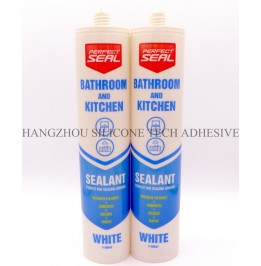
Many cosmetics, such as lotions, hair products, and makeup removers, contain solvents like ethanol or isopropyl alcohol. These substances can dissolve uncured sealant resins, especially in silicone-based or acrylic formulations, leading to softening or gelling. Pigments in cosmetics, like iron oxides or titanium dioxide, may also stain sealants, creating permanent discoloration that requires replacement.
Applying or removing cosmetics near fresh sealant can cause physical harm. For example, scrubbing with loofahs, brushes, or rough towels can scratch the sealant’s surface, creating pathways for moisture infiltration. Even gentle contact with sharp objects like eyeliner pencils or nail files can gouge the material, compromising its waterproofing capabilities.
Cosmetics often harbor bacteria, fungi, or yeasts, especially if they’re expired or stored improperly. When these residues come into contact with uncured sealant, they can accelerate mold or mildew growth in humid environments like bathrooms. This not only damages the sealant but also poses health risks to household members.
Most sealants require 24–72 hours to cure fully, depending on the formulation and environmental conditions. Water-based acrylic sealants typically cure faster (24–48 hours), while silicone-based or polyurethane options may take up to 72 hours. During this period, avoid all cosmetic contact to prevent chemical reactions or physical damage.
Humidity, temperature, and ventilation play significant roles in curing times. High humidity (above 60%) slows down solvent evaporation, extending the drying period. Conversely, low humidity (below 30%) may cause the sealant to cure too quickly, leading to cracks. Ideal conditions are moderate humidity (40–60%) and temperatures between 50–75°F (10–24°C). Use fans or dehumidifiers to regulate these factors in enclosed spaces.
To confirm the sealant is fully cured, perform a touch test: Press a gloved finger gently onto the surface. If it feels tacky or leaves an indentation, it’s not ready for cosmetic contact. For a more thorough check, apply a small amount of water to the sealant—if it beads up without absorbing, the material is likely cured. If unsure, wait an additional 24 hours before proceeding.
Use plastic sheeting, painter’s tape, or cardboard to cover freshly applied sealant in high-traffic areas like bathroom counters or sinks. Secure edges with tape to prevent slippage, ensuring no gaps exist where cosmetics could seep through. For vertical surfaces like shower walls, hang waterproof curtains or tarps to shield the sealant from splashes.
If renovating a bathroom or kitchen, temporarily relocate cosmetics to another room until the sealant cures. Store items like skincare products, hair tools, and makeup in sealed containers to avoid accidental contact. For shared spaces, use portable storage units or rolling carts to keep cosmetics away from work areas entirely.
Inform everyone in the household about the curing timeline and the importance of avoiding cosmetic contact. Place visible signs near freshly sealed areas, such as “Do Not Touch—Sealant Curing” or “Keep Cosmetics Away Until [Date].” For families with children, use childproof locks on cabinets containing cosmetics to prevent accidental spills.
If cosmetics accidentally touch uncured sealant, act quickly to minimize harm. Use paper towels or clean cloths to blot—not wipe—the affected area, absorbing excess product without spreading it. Avoid rubbing, which can embed pigments or solvents deeper into the sealant. For liquid cosmetics like perfume or nail polish remover, rinse the area with water immediately to dilute the chemicals.
After blotting, clean the sealant with a mild soap and water solution, using a soft sponge or cloth. Gently scrub in a circular motion to lift residual cosmetics without damaging the surface. For stubborn stains, create a paste of baking soda and water and apply it to the area, letting it sit for 10–15 minutes before rinsing. Avoid harsh chemicals like bleach or ammonia, which can react with the sealant.
Inspect the sealant for signs of damage, such as discoloration, softening, or cracking. If the bond appears weak, use a plastic scraper to carefully remove the affected section, then clean the area thoroughly before reapplying sealant. For minor stains or surface imperfections, sand the area lightly with fine-grit sandpaper (220–400 grit) to create a smooth finish. Allow the repaired sealant to cure fully before resuming cosmetic use.
Even after the initial curing period, regularly inspect sealants for signs of wear or damage, especially in high-contact zones like bathroom counters or sink edges. Look for cracks, shrinkage, or peeling, which can create entry points for cosmetics. Replace damaged sections promptly to maintain a watertight barrier and prevent contamination risks.
Store cosmetics in waterproof containers or trays to contain spills and prevent accidental contact with sealants. Opt for acrylic or silicone organizers, which resist staining and are easy to clean. Avoid placing cosmetics directly on sealed surfaces—use mats or coasters to create a protective layer between products and the sealant.
Plan bathroom or kitchen renovations during periods when cosmetic use is minimal, such as vacations or weekends. If renovations must occur during regular routines, designate a temporary cosmetic station in another room to reduce the risk of accidental contact. Communicate clearly with contractors about the importance of avoiding cosmetic contamination during sealant application and curing.
Copyright 2019 by Hangzhou Silicone Tech Adhesive Co., Ltd. All rights reserved.
Bathroom Sealant | Acrylic Sealant | Dow Corning 795 | Aquarium Sealant | Dow Corning 732 | Clear Silicone Sealant | Polysulfide Sealant | Glazing Sealant | Mirror Sealant | IG Sealant
Powered by Onepound


