E-mail:
sales@silicone-sealant-china.com

When renovating or maintaining bathrooms, understanding the chemical compatibility between sealants and body wash is essential for ensuring long-lasting, effective waterproofing. Body wash products often contain surfactants, oils, and fragrances that can interact with sealant materials, potentially leading to discoloration, weakening, or even failure of the seal. This guide explores the key factors influencing compatibility and provides actionable insights for homeowners and contractors.
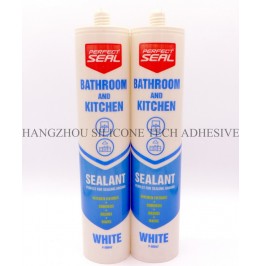
Surfactants, found in nearly all body washes, are designed to break down oils and dirt. However, these same properties can interfere with sealant adhesion. For example, anionic surfactants like sodium lauryl sulfate (SLS) may soften acrylic or silicone-based sealants over time, reducing their ability to bond to surfaces. This can lead to peeling or cracking, especially in high-moisture environments like showers.
Many body washes contain natural or synthetic oils, such as coconut oil, jojoba oil, or mineral oil, to moisturize the skin. These oils can penetrate porous sealants like acrylic or latex, causing discoloration or swelling. In some cases, oils may even dissolve certain sealant components, leading to a sticky or tacky surface that attracts dirt and grime.
Fragrances and preservatives, though added in small amounts, can have significant effects on sealants. Alcohol-based fragrances, for instance, may evaporate quickly but leave behind residues that react with sealant resins. Preservatives like parabens or phenoxyethanol, while necessary for product shelf life, can accelerate mold growth if trapped beneath improperly cured sealants, compromising both hygiene and structural integrity.
Silicone sealants are widely used in bathrooms due to their flexibility and waterproofing properties. They generally resist degradation from body wash chemicals better than acrylic or latex alternatives. However, prolonged exposure to high concentrations of surfactants or oils can still cause surface staining or reduced adhesion over time. Silicone’s non-porous nature helps minimize absorption, but it’s not entirely impervious to chemical attack.
Acrylic sealants are cost-effective and easy to apply, making them popular for DIY projects. However, they are more susceptible to damage from body wash chemicals compared to silicone. Surfactants can weaken the bond between acrylic and surfaces like tiles or glass, while oils may cause swelling or discoloration. Acrylic sealants are best suited for low-moisture areas or short-term applications where frequent reapplication is feasible.
Polyurethane sealants offer excellent durability and chemical resistance, often used in industrial settings. In bathrooms, they provide robust protection against water infiltration but can react negatively to certain body wash additives. For example, amines used as catalysts in polyurethane formulations may interact with acidic components in body washes, leading to yellowing or brittleness. Proper curing and ventilation are critical to minimizing these risks.
Ensuring sealants cure fully before exposure to body wash is paramount. Most sealants require 24–72 hours to reach maximum strength, depending on humidity and temperature. During this period, avoid splashing water or applying cosmetics near freshly sealed areas. Use fans or dehumidifiers to accelerate drying in humid climates, and follow manufacturer guidelines for optimal curing conditions.
Even after curing, sealants should be cleaned regularly to remove body wash residues that could degrade the material over time. Use a mild, non-abrasive cleaner and a soft cloth or sponge to wipe down sealed surfaces after each shower. Avoid harsh chemicals like bleach or ammonia, which can react with sealant components and cause discoloration or weakening.
Monitor sealants for signs of wear, such as cracking, peeling, or discoloration. If body wash chemicals have compromised the seal, act quickly to prevent further damage. For minor issues, clean the area thoroughly and apply a thin layer of compatible sealant over the affected spot. For severe degradation, remove and replace the entire seal to restore waterproofing integrity.
High humidity levels can intensify chemical reactions between body wash and sealants by slowing down solvent evaporation during curing. This may lead to incomplete bonding or trapped residues that degrade over time. Similarly, extreme temperatures—either too hot or too cold—can affect sealant flexibility and chemical stability. Maintain moderate humidity (40–60%) and temperatures between 50–75°F (10–24°C) for optimal sealant performance.
Poor ventilation in bathrooms can concentrate airborne chemicals from body wash, increasing the likelihood of sealant contamination. Use exhaust fans or open windows during and after showers to dissipate vapors and reduce chemical exposure. This not only protects sealants but also improves indoor air quality by preventing mold and mildew growth.
Water hardness, caused by high mineral content like calcium and magnesium, can interact with body wash chemicals and sealants. Hard water may leave mineral deposits on sealed surfaces, which can trap body wash residues and accelerate degradation. Installing a water softener or using distilled water for cleaning can help minimize this risk, preserving sealant longevity.
Copyright 2019 by Hangzhou Silicone Tech Adhesive Co., Ltd. All rights reserved.
Bathroom Sealant | Acrylic Sealant | Dow Corning 795 | Aquarium Sealant | Dow Corning 732 | Clear Silicone Sealant | Polysulfide Sealant | Glazing Sealant | Mirror Sealant | IG Sealant
Powered by Onepound


