E-mail:
sales@silicone-sealant-china.com

When applying sealants in construction or renovation projects, sudden temperature fluctuations after application can compromise adhesion, flexibility, and overall performance. These changes may cause cracking, shrinking, or detachment, leading to costly repairs and reduced durability. Understanding the risks and implementing preventive measures is crucial for ensuring long-lasting, effective seals.
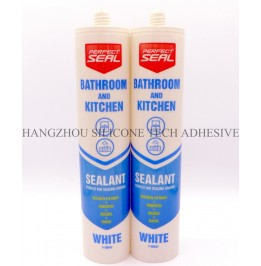
Sealants rely on specific temperature ranges to cure properly. Most formulations require a stable environment, typically between 50°F and 90°F (10°C to 32°C), to achieve optimal adhesion and flexibility. Sudden drops or rises in temperature during curing can disrupt chemical reactions, leaving the sealant partially cured or brittle. For example, cold temperatures slow down solvent evaporation, while excessive heat may accelerate curing too quickly, weakening internal structure.
Temperature changes can also affect how sealants bond to materials like concrete, glass, metal, or wood. When exposed to cold, surfaces may contract, creating gaps between the sealant and substrate. Conversely, heat can cause expansion, stretching the sealant beyond its elastic limits. This back-and-forth movement weakens the bond over time, increasing the risk of peeling or cracking. Porous surfaces like brick or stone are particularly vulnerable, as they absorb moisture that freezes and expands in low temperatures.
Even after full curing, sealants remain sensitive to temperature extremes. Repeated cycles of heating and cooling—such as those in outdoor applications or near HVAC systems—induce thermal stress. This stress can lead to micro-cracks that allow water, dirt, or chemicals to penetrate, accelerating degradation. Flexible sealants like silicone or polyurethane handle stress better than rigid options, but no material is entirely immune to prolonged exposure to harsh conditions.
Before applying sealant, ensure both the surface and surrounding environment are within the recommended temperature range. Clean the substrate thoroughly to remove dust, grease, or moisture, as these can interfere with bonding. If working in cold weather, use infrared heaters or warm the area gently to raise temperatures above the minimum threshold. In hot climates, shield the workspace from direct sunlight or use cooling fans to prevent premature curing.
During application, maintain consistent temperature and humidity levels. Use digital thermometers and hygrometers to track conditions, adjusting as needed. For indoor projects, close windows and doors to prevent drafts, and avoid applying sealant near heating or cooling vents. Outdoors, schedule work during milder parts of the day, such as early morning or late afternoon, to minimize exposure to extreme heat or cold.
One of the most critical steps is allowing sufficient curing time before subjecting the sealant to temperature variations. Most products require 24 to 72 hours to reach full strength, depending on formulation and environmental factors. During this period, protect the sealed area from direct sunlight, rain, or sudden temperature drops. For example, cover freshly applied sealant with plastic sheeting in cold weather or provide shade in hot conditions to stabilize the curing process.
Some sealants are specifically engineered to withstand extreme temperatures. These formulations contain additives that enhance flexibility, reduce shrinkage, and improve adhesion in challenging conditions. For instance, modified silicone sealants offer better cold-temperature performance, while hybrid polymers combine the benefits of silicone and polyurethane for broad temperature tolerance. While these options may not eliminate all risks, they provide added protection in high-risk scenarios.
In areas prone to rapid temperature changes, such as near industrial equipment or unheated garages, consider adding thermal insulation around sealed joints. Materials like foam backer rods or insulating tapes create a buffer that reduces direct exposure to extreme heat or cold. This approach helps maintain a more stable microclimate around the sealant, minimizing thermal stress and extending its lifespan.
Even with preventive measures, regular inspections are essential for catching early signs of temperature-related damage. Check sealed joints for cracks, gaps, or discoloration, especially after seasonal transitions. For outdoor applications, inspect after major weather events like frosts or heatwaves. Promptly repair any issues by cleaning the area and applying a fresh layer of sealant to prevent further deterioration.
When planning projects, consider the local climate’s seasonal variations. Areas with frequent freeze-thaw cycles, high humidity, or intense sunlight require more robust sealant solutions. For example, in cold regions, prioritize products with low-temperature flexibility, while in hot, arid climates, opt for UV-resistant formulations. Adjusting application techniques—such as using thicker beads or multiple layers—can also improve resilience against climate-induced stress.
Architectural and engineering designs should account for thermal movement in sealed joints. Incorporate expansion joints or flexible connections that allow materials to move without damaging the sealant. This is particularly important in large structures like bridges, parking garages, or commercial buildings, where temperature differentials between day and night can be significant. Proper design reduces the load on sealants, enhancing their longevity.
Training construction crews on the importance of temperature management during sealant application is vital. Ensure workers understand how to recognize and mitigate risks, such as adjusting application rates in cold weather or avoiding overworking the sealant in hot conditions. Providing access to real-time weather data and tools for monitoring environmental conditions can empower teams to make informed decisions on-site.
Copyright 2019 by Hangzhou Silicone Tech Adhesive Co., Ltd. All rights reserved.
Bathroom Sealant | Acrylic Sealant | Dow Corning 795 | Aquarium Sealant | Dow Corning 732 | Clear Silicone Sealant | Polysulfide Sealant | Glazing Sealant | Mirror Sealant | IG Sealant
Powered by Onepound


