E-mail:
sales@silicone-sealant-china.com

Bathrooms are prone to high humidity and fluctuating temperatures, but in environments with prolonged heat—such as saunas, steam rooms, or homes in hot climates—choosing the right sealant becomes critical. High temperatures can accelerate chemical degradation, reduce adhesion, and cause cracking or shrinkage, compromising waterproofing and hygiene. This guide explores key considerations for selecting sealants that withstand long-term heat exposure.
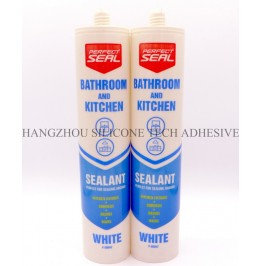
Sealants rely on stable chemical bonds to maintain flexibility and adhesion. Prolonged exposure to temperatures above 120°F (49°C) can break down these bonds, leading to brittleness or softening. For example, acrylic-based sealants may become gooey in heat, while silicone formulations tend to resist melting but can still degrade over time. The rate of degradation depends on the sealant’s chemical composition and the intensity of heat exposure.
Materials expand when heated and contract when cooled, creating stress on sealed joints. In bathrooms, this cycle occurs daily due to showers, baths, or ambient heat. If the sealant lacks elasticity, repeated expansion and contraction can cause cracks or gaps, allowing water infiltration. Flexible sealants with high elongation properties—such as those rated for ±50% movement capability—are better suited to handle these stresses without failing.
High temperatures combined with humidity weaken the bond between sealants and substrates like tiles, glass, or metal. Moisture can penetrate microscopic gaps, acting as a lubricant that reduces friction between the sealant and surface. Over time, this leads to peeling or detachment, especially in areas with frequent water contact. Sealants with strong initial tack and moisture-resistant formulations perform better in these conditions.
Prioritize sealants with documented heat resistance, often indicated by temperature ranges on labels or technical datasheets. Look for products tested to withstand continuous exposure to temperatures above 150°F (65°C), as these are more likely to maintain performance in extreme environments. Certifications from industry bodies—such as ASTM or ISO standards for thermal stability—provide additional assurance of quality.
Flexibility is non-negotiable in high-temperature bathrooms. Sealants should stretch without tearing to accommodate thermal movement. Check for elongation percentages, which measure how much a sealant can stretch before breaking. Formulations with 300% or higher elongation are ideal for joints subject to significant expansion and contraction. Avoid rigid sealants, as they crack under stress, even if they claim heat resistance.
Heat accelerates mold growth when combined with moisture, a common issue in bathrooms. Choose sealants with built-in antimicrobial additives that inhibit fungal and bacterial development. These additives prevent discoloration, odors, and structural damage caused by mold. Additionally, ensure the sealant is waterproof and vapor-permeable where needed—such as around shower enclosures—to balance moisture management without trapping water.
Surface cleanliness is critical for adhesion, especially in heat-prone areas. Remove old sealant, dust, grease, and soap scum using a non-abrasive cleaner and a scraper. For porous surfaces like natural stone, etch or prime the area to improve grip. Allow surfaces to dry completely before applying sealant, as residual moisture can interfere with curing and bonding in high temperatures.
High temperatures can cause sealants to cure too quickly, reducing workability and adhesion. Apply sealant during cooler parts of the day or in shaded areas to slow down the curing process. If working indoors, use fans or air conditioning to maintain temperatures below 90°F (32°C) during application. Avoid applying sealant in direct sunlight, as UV rays can also accelerate degradation before the product fully cures.
Allow sealants to cure fully before exposing them to high temperatures or water. Most products require 24 to 72 hours to reach maximum strength, depending on formulation and environmental conditions. Protect freshly applied sealant from heat sources like radiators, ovens, or hot water pipes during this period. For urgent use, consider using fast-curing sealants designed for high-temperature environments, though these may sacrifice some flexibility.
Inspect sealed joints every 3 to 6 months for cracks, shrinkage, or discoloration. Pay close attention to areas near heat sources, such as steam vents or heated floors, as these degrade faster. Use a flashlight to check hidden corners and edges for gaps that may allow water ingress. Early detection allows for minor repairs before major damage occurs, extending the sealant’s lifespan.
Harsh cleaning agents can react with sealants, especially in high temperatures. Use mild, pH-neutral cleaners and soft cloths to wipe down sealed surfaces. Avoid abrasive scrubbers or chemical-heavy products that may erode the sealant over time. For stubborn stains, test a small area first to ensure compatibility. Regular cleaning prevents dirt buildup, which can trap moisture and accelerate mold growth.
In extreme heat environments, consider redesigning joints to accommodate thermal expansion. Install expansion gaps or use backer rods to create a flexible buffer between surfaces. This reduces stress on the sealant by allowing materials to move freely without pulling on the joint. For large-scale projects, consult an engineer to determine optimal joint spacing and sealant thickness for high-temperature applications.
Copyright 2019 by Hangzhou Silicone Tech Adhesive Co., Ltd. All rights reserved.
Bathroom Sealant | Acrylic Sealant | Dow Corning 795 | Aquarium Sealant | Dow Corning 732 | Clear Silicone Sealant | Polysulfide Sealant | Glazing Sealant | Mirror Sealant | IG Sealant
Powered by Onepound


