E-mail:
sales@silicone-sealant-china.com

Applying sealant in bathrooms is a critical step for waterproofing and preventing mold, but the tools used afterward play an equally vital role in ensuring long-term performance. Using non-specialized or contaminated tools can introduce impurities, weaken adhesion, or damage freshly applied sealant, leading to premature failure. This guide explores why dedicated cleaning tools are essential and how to maintain them for optimal results.
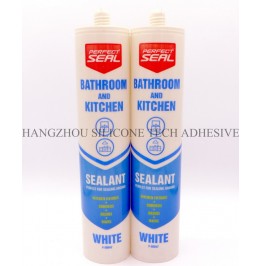
Tools reused across different construction tasks often carry residues like paint, grout, or adhesive. When applied to fresh sealant, these contaminants can interfere with curing, creating uneven surfaces or weak spots. For example, a spatula used for tile grouting may leave traces of cementitious material that prevents the sealant from bonding properly to the substrate, reducing its waterproofing capabilities.
Fresh sealant is soft and vulnerable to scratches or gouges during cleaning. Non-specialized tools like steel wool, abrasive sponges, or stiff brushes can leave permanent marks, compromising both aesthetics and functionality. Even soft cloths, if previously used with harsh chemicals, may transfer residues that degrade the sealant’s surface over time, making it more susceptible to stains or mold growth.
Tools stored improperly may retain traces of solvents, acids, or alkalis from past cleaning agents. When used on sealant, these chemicals can react with the material, causing discoloration, softening, or embrittlement. For instance, a brush previously dipped in acetone might weaken silicone-based sealants, while ammonia-based cleaners could yellow polyurethane formulations, reducing their lifespan.
Microfiber or cotton cloths are ideal for removing excess sealant without scratching the surface. Their fine fibers trap particles effectively, ensuring a smooth finish. Always use a fresh cloth for each project to avoid transferring dirt or chemicals. For stubborn residue, dampen the cloth slightly with water or a mild, neutral-pH cleaner, but avoid soaking it, as excess moisture can interfere with curing.
Plastic scrapers with rounded edges are safer than metal alternatives for shaping or trimming sealant. They gently lift excess material without gouging the substrate or the sealant itself. Choose scrapers made from durable polymers that resist bending, ensuring consistent pressure during use. After each application, clean the scraper with soap and water to remove any sealant residue that could harden and affect future performance.
Isopropyl alcohol (IPA) is a gentle yet effective solvent for cleaning tools and surfaces after sealant application. It evaporates quickly without leaving streaks, making it ideal for wiping down spatulas, brushes, or gloves. Dilute IPA with water if the sealant is still tacky, as pure alcohol may soften some formulations. Always test on a small area first to ensure compatibility with the sealant type.
Designate a clean, dry container or drawer for storing post-application tools to prevent contamination. Avoid placing them near chemicals, paints, or grouting materials that could transfer residues. Label tools clearly to avoid mixing them with general-purpose items, reducing the risk of accidental use on future projects. For added protection, wrap tools in plastic or store them in sealed bags when not in use.
Check tools for signs of wear, such as frayed cloth edges, bent scraper tips, or discolored brushes, before each use. Damaged tools can introduce imperfections or contaminants, undermining sealant quality. Replace worn items promptly to maintain consistency in cleanup processes. For reusable tools like scrapers, inspect for hardened sealant residue that may require soaking in warm, soapy water to remove.
Bathrooms are high-humidity environments, making tools susceptible to mold if not cleaned properly. After each use, wash cloths and brushes with hot, soapy water, then rinse thoroughly. Allow them to air-dry completely before storage to inhibit microbial growth. For plastic tools, wipe them down with a disinfectant solution, focusing on crevices where moisture might accumulate. Avoid using bleach, as it can degrade some materials over time.
Apply low-tack masking tape along joint edges before sealant application to create a clean boundary. After shaping the sealant, remove the tape immediately while the material is still pliable, leaving a sharp, professional finish. This technique reduces the need for extensive post-application cleanup and minimizes the risk of tool-induced damage. Ensure the tape is removed gently to avoid pulling or distorting the sealant.
Precision tools like caulking guns with adjustable flow rates and specialized nozzles help minimize excess sealant, reducing cleanup efforts. Choose nozzles that match the joint width to ensure even distribution, preventing overfilling that requires scraping. After use, clean the nozzle with a needle or thin wire to remove dried sealant, maintaining optimal performance for future applications.
The ideal cleanup time varies by sealant formulation. Fast-curing silicones may require immediate wiping with IPA, while slower-curing polyurethanes allow for a brief tack-free period before shaping. Refer to the manufacturer’s guidelines for specific timing recommendations. Working within these windows ensures tools remove excess material effectively without disturbing the curing process, resulting in a durable, aesthetically pleasing finish.
Copyright 2019 by Hangzhou Silicone Tech Adhesive Co., Ltd. All rights reserved.
Bathroom Sealant | Acrylic Sealant | Dow Corning 795 | Aquarium Sealant | Dow Corning 732 | Clear Silicone Sealant | Polysulfide Sealant | Glazing Sealant | Mirror Sealant | IG Sealant
Powered by Onepound


