E-mail:
sales@silicone-sealant-china.com

Thickened Sealant Application Techniques for Wide Gaps in Bathrooms
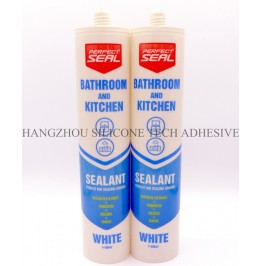
Bathrooms are high-moisture zones where even wide gaps between tiles, fixtures, or countertops demand reliable sealing. A thickened sealant layer ensures durability, prevents water infiltration, and enhances the overall aesthetic. Below is a detailed guide to achieving professional results when working with wider gaps.
Preparing the Gap and Surrounding Area
Proper preparation is the foundation of a long-lasting seal. Wide gaps require extra attention to ensure the sealant adheres correctly and fills the space evenly.
Cleaning the Surface: Start by removing all dirt, grime, old sealant, or loose particles from the gap and adjacent surfaces. Use a mild detergent mixed with water and a scrub brush to clean thoroughly. Rinse with clean water and allow the area to dry completely. Any residual moisture can weaken the bond between the sealant and the surface.
Removing Debris from Deep Gaps: Wide gaps often accumulate debris over time. Use a vacuum cleaner with a narrow nozzle or a small brush to clear out dust, grout fragments, or other particles. For deeper gaps, consider using compressed air to blow out hidden debris.
Masking Adjacent Surfaces: To achieve clean, straight edges and prevent excess sealant from spreading onto tiles or fixtures, apply masking tape along both sides of the gap. Leave a small margin (about 2-3mm) between the tape and the gap’s edge to ensure proper coverage. Remove the tape immediately after smoothing the sealant to avoid pulling away fresh material.
Selecting and Preparing the Sealant for Thick Application
Wide gaps require a sealant capable of filling the space without sagging or shrinking. The right consistency and application method are key to success.
Choosing a High-Viscosity Sealant: Opt for a sealant formulated for thick applications, as it will maintain its shape better in wider gaps. Check the product label for recommendations on gap width and application thickness.
Cutting the Nozzle Correctly: The nozzle should be cut at a 45-degree angle, with a larger opening than you’d use for narrow gaps. The size of the cut should match the width of the gap—aim for a bead that fills the space without overflowing. Test the flow on a scrap surface before applying it to the gap.
Using a Backer Rod for Extra Support: For very wide gaps (over 10mm), consider inserting a foam backer rod into the gap before applying sealant. The backer rod acts as a base, reducing the amount of sealant needed and preventing sagging. Press the backer rod gently into the gap, leaving about 3-5mm of space for the sealant layer.
Applying Sealant in Layers for Wide Gaps
Wide gaps often require a multi-step approach to ensure complete coverage and a smooth finish.
First Layer Application: Apply the first layer of sealant into the gap, filling it about halfway. Use steady pressure on the caulking gun or sealant tube to maintain a consistent bead. For manual application, hold the tube at a 45-degree angle and move it smoothly along the gap.
Smoothing the First Layer: Immediately after applying the first layer, use a sealant finishing tool or a dampened finger (dipped in soapy water to prevent sticking) to shape the sealant. Press gently to create a concave or rounded profile, depending on your preference. This helps direct water away from the gap and improves adhesion for the next layer.
Adding the Second Layer: Once the first layer has set slightly (but not fully cured), apply a second layer to fill the gap completely. This layer should be slightly thicker than the first to ensure full coverage. Smooth it out using the same technique as before, paying extra attention to the edges to create a seamless transition.
Achieving a Professional Finish and Ensuring Durability
The final steps focus on refining the appearance and protecting the sealant from future damage.
Tooling the Sealant for a Clean Look: After applying the final layer, use a finishing tool or a dampened finger to refine the sealant’s shape. Run the tool along the gap in one continuous motion to create a uniform profile. Wipe away excess sealant with a clean cloth before it dries.
Checking for Gaps or Air Bubbles: Inspect the sealed area carefully for any missed spots or trapped air. If you find gaps, use a small needle or toothpick to puncture the surface and press the sealant back into place. For air bubbles, gently press down to release the air and fill the void with additional sealant.
Allowing Proper Curing Time: Sealant needs time to harden and reach its full strength. Follow the manufacturer’s instructions for curing time, which may vary based on temperature and humidity. Avoid exposing the sealed area to water or heavy use until the sealant is fully cured.
Regular Maintenance and Inspection: Periodically check the sealed gaps for signs of wear, cracking, or discoloration. Clean the area gently with a mild detergent and soft cloth to prevent buildup of dirt or mold. If damage is detected, clean the gap thoroughly and reapply sealant as needed.
By following these steps, you can effectively seal wide gaps in your bathroom with a thickened layer of sealant, ensuring a durable, watertight barrier that enhances both functionality and appearance.
Copyright 2019 by Hangzhou Silicone Tech Adhesive Co., Ltd. All rights reserved.
Bathroom Sealant | Acrylic Sealant | Dow Corning 795 | Aquarium Sealant | Dow Corning 732 | Clear Silicone Sealant | Polysulfide Sealant | Glazing Sealant | Mirror Sealant | IG Sealant
Powered by Onepound


