E-mail:
sales@silicone-sealant-china.com

Filling Narrow and Thin Gaps in Bathrooms with Waterproof Sealant: A Step-by-Step Guide
Bathrooms are prone to water exposure, making it essential to seal every nook and cranny effectively. Narrow and thin gaps, such as those between tiles, around fixtures, or along edges, can easily become entry points for moisture if left unsealed. Here’s how to tackle these tricky areas with precision and ensure a watertight finish.
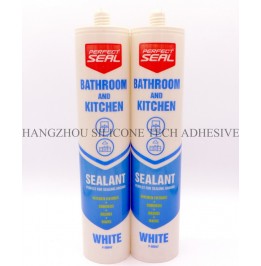
Preparing the Gap for Sealing
Before applying any sealant, proper preparation is crucial to ensure a strong bond and long-lasting results.
Clean the Surface Thoroughly: Start by removing any dirt, dust, old sealant, or soap scum from the gap and surrounding area. Use a mild detergent mixed with water and a scrub brush or cloth to clean the surface. Rinse well with clean water and allow it to dry completely. Moisture can prevent the sealant from adhering properly, so patience is key here.
Remove Loose Particles: If the gap contains any loose debris, such as bits of grout or tile adhesive, use a vacuum cleaner with a narrow nozzle attachment or a small brush to clear them out. A clean gap ensures the sealant fills the space completely without any air pockets.
Mask the Surrounding Area: To achieve clean, straight lines and prevent excess sealant from smearing onto adjacent surfaces, apply masking tape along both sides of the gap. Leave a small gap (about 1-2mm) between the tape and the edge of the gap where the sealant will be applied. This helps control the amount of sealant and creates a professional-looking finish.
Choosing the Right Application Technique for Narrow Gaps
Narrow gaps require a different approach compared to wider ones to ensure complete coverage and a neat appearance.
Cutting the Nozzle Precisely: The nozzle of your sealant tube should be cut at a 45-degree angle. For narrow gaps, make a small cut—just enough to allow a thin, steady stream of sealant to flow. Test the flow on a scrap piece of cardboard or paper before applying it to the gap to ensure you have the right size.
Applying Steady Pressure: Hold the sealant tube at a consistent 45-degree angle to the gap and apply gentle, steady pressure to the trigger. Move the tube slowly along the length of the gap, keeping the nozzle close to the surface. The goal is to fill the gap completely without overfilling it, which can lead to a messy finish and wasted material.
Using a Caulking Gun for Precision: If you’re working with larger areas or multiple narrow gaps, a caulking gun can provide better control and consistency. Load the sealant tube into the gun, adjust the pressure as needed, and apply the sealant in a smooth, continuous motion.
Filling Thin Gaps Around Fixtures and Edges
Thin gaps, such as those around faucets, showerheads, or along the edges of countertops, require extra care to ensure a seamless seal.
Applying Sealant in Layers for Thin Gaps: For extremely thin gaps, consider applying the sealant in thin layers rather than trying to fill it all at once. Apply a small amount of sealant, allow it to dry slightly (but not completely), and then apply a second layer if needed. This helps prevent the sealant from shrinking and pulling away from the edges as it cures.
Using a Sealant Smoothing Tool: After applying the sealant, use a sealant smoothing tool or the back of a plastic spoon dipped in soapy water to shape the sealant into the gap. Apply gentle pressure and run the tool along the length of the gap to create a concave or rounded shape, depending on your preference. This not only improves the appearance but also helps direct water away from the gap.
Checking for Gaps or Air Bubbles: Once you’ve finished applying and smoothing the sealant, inspect the gap carefully for any missed spots or air bubbles. If you find any, use a small needle or toothpick to puncture the bubble and press the sealant back into place. Fill any remaining gaps with a small amount of additional sealant and smooth it out again.
Ensuring a Durable and Watertight Seal
To maximize the lifespan of your sealant and prevent future leaks, follow these additional tips.
Allowing Proper Curing Time: Sealant needs time to cure and reach its full strength. Refer to the manufacturer’s instructions for the recommended curing time, which can vary depending on the type of sealant and environmental conditions. Avoid exposing the sealed area to water or moisture until the sealant is fully cured.
Regular Inspection and Maintenance: Periodically check the sealed gaps for signs of wear, cracking, or peeling. Over time, exposure to water and cleaning products can degrade the sealant. If you notice any issues, clean the area thoroughly and reapply sealant as needed to maintain a watertight barrier.
Avoiding Harsh Cleaning Products: When cleaning your bathroom, avoid using harsh chemicals or abrasive cleaners that can damage the sealant. Opt for mild, non-abrasive cleaners and a soft cloth or sponge to preserve the integrity of the seal.
By following these steps and techniques, you can effectively fill narrow and thin gaps in your bathroom with waterproof sealant, ensuring a durable, watertight finish that protects your space from moisture damage.
Copyright 2019 by Hangzhou Silicone Tech Adhesive Co., Ltd. All rights reserved.
Bathroom Sealant | Acrylic Sealant | Dow Corning 795 | Aquarium Sealant | Dow Corning 732 | Clear Silicone Sealant | Polysulfide Sealant | Glazing Sealant | Mirror Sealant | IG Sealant
Powered by Onepound


