E-mail:
sales@silicone-sealant-china.com

Mastering the Art of Internal and External Corner Sealing in Bathroom Projects
When it comes to bathroom renovations, achieving a watertight and visually appealing finish around internal and external corners is crucial. These areas, often referred to as though we'll avoid the term here, are prone to water infiltration and require meticulous attention during the sealing process. Here’s a comprehensive guide to help you navigate this task with precision.
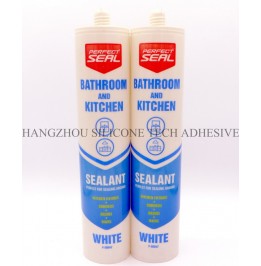
Understanding the Importance of Proper Corner Sealing
Corners in bathrooms, whether they’re internal (where two walls meet) or external (where a wall meets a floor or ceiling), are high-risk zones for water damage. Improper sealing can lead to leaks, mold growth, and structural deterioration over time. Therefore, it’s essential to apply sealant correctly in these areas to ensure long-lasting protection.
Internal Corners: These are the most common and require careful attention to prevent water from seeping behind tiles or into wall cavities. A well-sealed internal corner acts as a barrier, directing water down the drain rather than allowing it to penetrate.
External Corners: Often found where walls meet floors or ceilings, external corners are equally vulnerable. Sealing these areas properly prevents water from pooling and causing damage to adjacent surfaces.
Preparing the Surface for Sealing
Before applying any sealant, thorough surface preparation is key to achieving a strong, durable bond.
Cleaning the Area: Remove any old sealant, dirt, grease, or loose particles from the corner surfaces. Use a mild detergent and water solution, followed by a clean, dry cloth to ensure the area is spotless. Allow the surface to dry completely before proceeding.
Smoothing Rough Edges: If the corner edges are rough or uneven, use sandpaper to smooth them out. This creates a better surface for the sealant to adhere to and results in a neater finish.
Masking the Surrounding Area: To achieve clean, straight lines and prevent excess sealant from spreading onto adjacent surfaces, apply masking tape along both sides of the corner. Leave a small gap (about 1-2mm) where the sealant will be applied to ensure proper coverage.
Applying Sealant to Internal Corners
Internal corners require a specific technique to ensure complete coverage and a watertight seal.
Cutting the Nozzle: Start by cutting the nozzle of your sealant tube at a 45-degree angle. The size of the cut should match the width of the corner gap you’re sealing. A smaller cut is generally better for internal corners to control the amount of sealant applied.
Applying the Sealant: Hold the sealant tube at a 45-degree angle to the corner and apply steady pressure to the trigger. Move the tube along the corner in a smooth, continuous motion, ensuring the sealant fills the gap completely. Avoid stopping and starting, as this can create air bubbles or uneven application.
Tooling the Sealant: Immediately after applying the sealant, use a sealant finishing tool or your finger (dipped in soapy water to prevent sticking) to smooth the sealant into the corner. Apply gentle pressure and run the tool along the length of the corner to create a concave shape. This helps direct water away from the corner and enhances the seal’s durability.
Sealing External Corners Effectively
External corners present a slightly different challenge due to their exposed nature. Here’s how to tackle them:
Choosing the Right Technique: For external corners, you can either apply a continuous bead of sealant along the corner or create a mitered joint by applying sealant to both sides of the corner at a 45-degree angle. The mitered joint technique often provides a cleaner, more professional finish.
Applying the Sealant: If using the continuous bead method, apply the sealant along the corner in a similar manner to internal corners, ensuring complete coverage. For the mitered joint technique, apply sealant to both sides of the corner, meeting at the apex. Use a steady hand to maintain a consistent bead size.
Finishing Touches: After applying the sealant, use a finishing tool or your finger to smooth the sealant into place. For mitered joints, ensure the sealant meets neatly at the corner without any gaps or excess material. Remove the masking tape immediately after tooling to prevent the sealant from pulling away as it dries.
Ensuring a Long-Lasting Seal
To maximize the lifespan of your corner seals, follow these additional tips:
Allowing Proper Curing Time: Sealant needs time to cure and reach its full strength. Follow the manufacturer’s instructions regarding curing time, and avoid exposing the sealed area to water or moisture until the sealant is fully cured.
Regular Inspection and Maintenance: Periodically check the sealed corners for signs of wear, cracking, or peeling. Address any issues promptly by cleaning the area and reapplying sealant as needed.
Avoiding Harsh Cleaners: When cleaning your bathroom, avoid using harsh chemicals or abrasive cleaners that can damage the sealant. Opt for mild, non-abrasive cleaners instead.
By following these steps and techniques, you can achieve professional-looking, watertight seals around internal and external corners in your bathroom. This not only enhances the aesthetic appeal of your space but also provides long-lasting protection against water damage.
Copyright 2019 by Hangzhou Silicone Tech Adhesive Co., Ltd. All rights reserved.
Bathroom Sealant | Acrylic Sealant | Dow Corning 795 | Aquarium Sealant | Dow Corning 732 | Clear Silicone Sealant | Polysulfide Sealant | Glazing Sealant | Mirror Sealant | IG Sealant
Powered by Onepound


