E-mail:
sales@silicone-sealant-china.com

Bathrooms are spaces constantly exposed to moisture, from daily showers to splashes around sinks. The effectiveness of bathroom sealants in preventing water ingress and seepage is crucial for maintaining the structural integrity of the bathroom and preventing issues like mold growth, wall damage, and floor deterioration. Let's delve into the factors that influence the waterproof and seepage-proof performance of bathroom sealants.
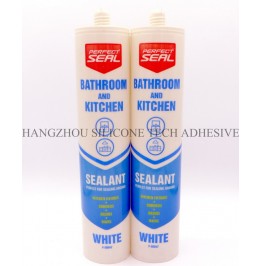
Silicone is a popular choice for bathroom sealants due to its excellent waterproof properties. Silicone polymers form a dense, non-porous network when cured. This structure creates a continuous barrier that effectively prevents water from passing through. The chemical bonds in silicone are highly stable, making it resistant to the effects of water, chemicals, and temperature variations commonly found in bathrooms. For instance, silicone sealants can withstand exposure to hot water from showers without losing their flexibility or adhesive properties.
The flexibility of silicone is another key advantage. Bathrooms experience movement due to factors like temperature changes and building settling. Silicone sealants can stretch and compress without cracking, ensuring a long - lasting waterproof seal. They can accommodate joint movements of up to 25% - 50% of their original width, depending on the specific formulation.
Acrylic sealants are also used in bathrooms, although they have different characteristics compared to silicone. Acrylic polymers form a hard, plastic - like film when dry. While they offer good initial water resistance, they are generally less flexible than silicone. Over time, as the bathroom undergoes movement, acrylic sealants may crack, allowing water to seep through.
However, acrylic sealants have some advantages in terms of paintability. They can be easily painted over, which is useful if you want to match the sealant color with the surrounding bathroom decor. To improve their waterproof and seepage - proof performance, some acrylic sealants are modified with water - repellent additives. These additives create a hydrophobic surface on the sealant, causing water to bead up and roll off rather than being absorbed.
Polyurethane sealants combine the properties of both silicone and acrylic to some extent. They offer good flexibility, similar to silicone, which allows them to withstand joint movements without cracking. At the same time, they have better adhesion to a wider range of surfaces compared to some other types of sealants.
Polyurethane sealants form a strong, durable bond with materials like tiles, concrete, and wood. This makes them suitable for areas where a high - strength seal is required, such as around bathtubs and shower trays. They also have good chemical resistance, which is beneficial in a bathroom environment where cleaning agents and personal care products are frequently used.
Proper surface preparation is essential for achieving a waterproof and seepage - proof seal. The surfaces to be sealed must be clean, dry, and free of any loose debris, dust, or old sealant. Any existing mold or mildew should be removed using a suitable cleaning solution. A rough surface provides better adhesion for the sealant, so if the surface is smooth, it may need to be sanded lightly.
For example, when sealing the joint between a tile wall and a bathtub, use a wire brush or a scraper to remove any old caulk or dirt. Then, wipe the area with a damp cloth and let it dry completely. This ensures that the sealant can bond effectively to the surface, creating a tight seal that prevents water from seeping through.
The size and shape of the sealant bead also play a role in its waterproof performance. A bead that is too thin may not provide sufficient coverage and may be more prone to cracking. On the other hand, a bead that is too thick can be difficult to smooth and may take longer to cure.
A general rule of thumb is to apply a bead with a diameter of about 6 - 8 mm for most bathroom joints. The bead should have a convex shape, which helps to shed water and prevent it from pooling on the surface. Use a caulking gun to apply the sealant evenly along the joint, and then use a caulk smoothing tool or your finger (dipped in soapy water to prevent sticking) to shape the bead.
The curing process is crucial for the development of the sealant's waterproof and seepage - proof properties. Different types of sealants have different curing requirements, but in general, they need a certain amount of time to dry and form a strong bond.
Factors such as temperature and humidity can affect the curing time. Most sealants cure best at room temperature (around 20 - 25°C) and moderate humidity levels (40 - 60%). Avoid applying sealant in extremely cold or hot conditions, as this can slow down or accelerate the curing process improperly, leading to a weaker seal. During the curing period, keep the area dry and avoid disturbing the sealant.
Bathrooms experience significant temperature changes throughout the day, especially during hot showers. These temperature fluctuations can cause the materials in the bathroom, such as tiles and the substrate, to expand and contract. If the sealant is not flexible enough to accommodate these movements, it can crack, allowing water to seep through.
Silicone and polyurethane sealants are better equipped to handle temperature changes compared to acrylic sealants. Their flexibility enables them to stretch and compress as the surrounding materials move, maintaining a waterproof seal over time. However, even with flexible sealants, extreme temperature variations over an extended period can still cause some degradation, so regular inspection and maintenance are necessary.
High humidity is a constant in bathrooms, which can affect the performance of sealants. Moisture in the air can be absorbed by some sealants, especially those with a porous structure. This can lead to swelling, softening, or loss of adhesion over time.
Sealants with good water - repellent properties, such as those modified with hydrophobic additives, are more resistant to the effects of high humidity. They form a barrier that prevents moisture from penetrating the sealant, ensuring its long - term waterproof and seepage - proof performance. Additionally, proper ventilation in the bathroom helps to reduce humidity levels, minimizing the stress on the sealant.
Bathrooms are home to various chemicals, including cleaning agents, shampoos, and soaps. These chemicals can react with the sealant, causing it to degrade or lose its adhesive properties. Some sealants are more resistant to chemical exposure than others.
Polyurethane sealants, for example, have good chemical resistance and can withstand exposure to a wide range of household chemicals. When choosing a sealant for a bathroom, consider the potential chemical exposure in the area and select a product that is suitable for such conditions. Regular cleaning with mild, non - abrasive cleaners can also help to prolong the life of the sealant by reducing the buildup of chemicals on its surface.
In conclusion, the waterproof and seepage - proof performance of bathroom sealants depends on a combination of factors, including material composition, application techniques, and environmental conditions. By understanding these factors and taking appropriate measures, you can ensure that your bathroom sealants provide long - lasting protection against water ingress and seepage.
Copyright 2019 by Hangzhou Silicone Tech Adhesive Co., Ltd. All rights reserved.
Bathroom Sealant | Acrylic Sealant | Dow Corning 795 | Aquarium Sealant | Dow Corning 732 | Clear Silicone Sealant | Polysulfide Sealant | Glazing Sealant | Mirror Sealant | IG Sealant
Powered by Onepound


