E-mail:
sales@silicone-sealant-china.com

When dealing with narrow gaps in construction or renovation projects, using the right injection tool for applying sealants is essential. These gaps, often found around windows, doors, pipes, or structural joints, require precise application to ensure effective waterproofing and airtightness. Understanding the proper techniques and considerations for using these tools can significantly improve the quality and longevity of your sealing work.
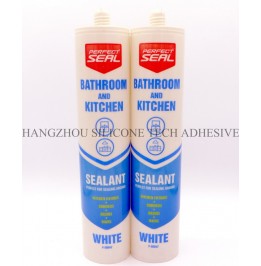
The first step in successfully sealing narrow gaps is choosing the right injection tool. The market offers a variety of options, each designed for specific applications and gap sizes. For extremely narrow gaps, typically less than 5mm wide, a fine-tipped manual caulking gun might be the most suitable choice. These guns allow for controlled dispensing of sealant, minimizing waste and ensuring the material reaches deep into the gap.
For slightly wider gaps, ranging from 5mm to 10mm, a pneumatic injection tool could provide better efficiency. These tools use compressed air to push the sealant out, offering faster application speeds and more consistent pressure. However, they require access to an air compressor, which might not always be practical in smaller projects or on-site locations without power sources.
Another factor to consider is the viscosity of the sealant you plan to use. Thicker sealants, such as those designed for high-movement joints, may require more powerful injection tools to ensure smooth flow. Conversely, thinner sealants can be applied using simpler manual tools without sacrificing quality.
Before starting the injection process, thorough preparation of both the gap and the tool is crucial. Begin by cleaning the gap area to remove any dirt, dust, or old sealant residues. A stiff brush or a vacuum cleaner can be effective in clearing out debris from narrow spaces. For gaps with existing sealant that needs replacement, use a scraper or a specialized removal tool to carefully extract the old material without damaging the surrounding surfaces.
Next, inspect the injection tool for any signs of wear or damage. Check the nozzle for clogs or blockages, as these can disrupt the flow of sealant and lead to uneven application. If the nozzle is worn or damaged, replace it with a new one to ensure optimal performance. Additionally, ensure that the tool's mechanism, whether manual or pneumatic, is functioning smoothly and that all connections are secure to prevent leaks during operation.
It's also important to select the correct nozzle size for the gap you're sealing. The nozzle opening should be slightly smaller than the gap width to allow for precise control over the amount of sealant dispensed. If the nozzle is too large, excess sealant may overflow, creating a messy finish and wasting material. On the other hand, a nozzle that's too small may not provide enough coverage, leaving gaps unsealed.
Once the gap and tool are prepared, it's time to start the injection process. Begin by positioning the nozzle at the starting point of the gap, ensuring it's inserted as far into the gap as possible. This helps to ensure that the sealant reaches the bottom of the gap, providing a solid foundation for the seal.
For manual caulking guns, apply steady pressure on the trigger to start dispensing the sealant. Move the tool along the gap at a consistent speed, maintaining a constant distance between the nozzle and the surface. Avoid stopping and starting abruptly, as this can create irregularities in the sealant line. If you need to pause during the application, release the trigger and gently withdraw the nozzle from the gap before resuming.
When using a pneumatic injection tool, adjust the air pressure according to the sealant's viscosity and the gap size. Start with a lower pressure setting and gradually increase it until you achieve a smooth, continuous flow of sealant. Keep your hand steady as you move the tool along the gap, and be mindful of any changes in resistance that might indicate a blockage or an issue with the tool.
As you apply the sealant, periodically check the back of the gap to ensure that the material is filling it completely. If you notice any voids or areas where the sealant isn't reaching, adjust your technique or increase the pressure slightly to improve coverage. Once the entire gap is filled, use a smoothing tool, such as a caulk finisher or a wet finger, to shape the sealant into a neat, concave profile. This not only enhances the appearance of the seal but also improves its water-shedding capabilities.
After completing the sealing job, proper care and maintenance of your injection tool are essential to ensure its longevity and performance in future projects. Start by cleaning the tool thoroughly to remove any remaining sealant residues. For manual caulking guns, this can be done by wiping down the exterior with a damp cloth and using a small brush to clean out any sealant from the mechanism.
For pneumatic injection tools, disconnect the air supply and follow the manufacturer's instructions for cleaning the internal components. This may involve disassembling the tool and using solvents or specialized cleaning solutions to remove any built-up sealant or debris. Be sure to dry all parts completely before reassembling the tool to prevent rust or corrosion.
Store your injection tool in a dry, cool place, away from direct sunlight and extreme temperatures. If the tool comes with a protective case or cover, use it to shield the tool from dust and damage when not in use. Regularly inspect the tool for signs of wear or damage, and replace any worn parts promptly to maintain optimal performance. By taking proper care of your injection tool, you can ensure that it remains a reliable and effective tool for sealing narrow gaps in all your future projects.
Copyright 2019 by Hangzhou Silicone Tech Adhesive Co., Ltd. All rights reserved.
Bathroom Sealant | Acrylic Sealant | Dow Corning 795 | Aquarium Sealant | Dow Corning 732 | Clear Silicone Sealant | Polysulfide Sealant | Glazing Sealant | Mirror Sealant | IG Sealant
Powered by Onepound


