E-mail:
sales@silicone-sealant-china.com

Bathroom sealants play a crucial role in preventing water leakage and maintaining the structural integrity of bathroom fixtures. However, achieving optimal application speed and uniformity requires a combination of proper preparation, precise techniques, and post-application care. This guide explores the key factors influencing sealant application in bathroom environments, providing actionable insights for both DIY enthusiasts and professional contractors.
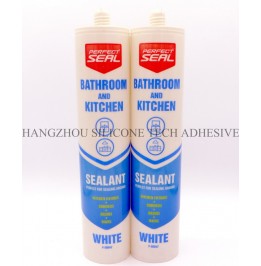
The ambient temperature and humidity significantly affect the curing process and workability of sealants. In cold environments, the curing time of silicone-based sealants can extend beyond 24 hours, leading to delays in project completion. To mitigate this, maintain the bathroom temperature above 5°C during application, using portable heaters if necessary. Avoid excessive heat, as temperatures exceeding 60°C may cause the sealant to crack or deform.
Humidity levels also play a pivotal role. High moisture content in the air can slow down the curing process and lead to inconsistent drying, resulting in uneven surfaces. Ensure proper ventilation by opening windows or using exhaust fans to maintain relative humidity below 70%. For projects in persistently humid climates, consider using fast-curing sealants specifically formulated for such conditions.
A clean, dry, and structurally sound substrate is essential for achieving uniform sealant adhesion. Begin by removing all traces of old sealant, dust, grease, and loose particles using a scraper and a solvent-based cleaner. For stubborn stains, a mixture of mild detergent and water can be effective, followed by thorough rinsing and drying.
Pay special attention to joints and corners, where dirt tends to accumulate. Use a small brush or a vacuum cleaner to ensure these areas are completely free of debris. If the surface exhibits signs of mold or mildew, treat it with a fungicidal solution before proceeding with sealant application. This step not only enhances adhesion but also prevents future microbial growth beneath the sealant layer.
The choice of application tool and method directly influences the speed and quality of sealant work. For narrow joints (less than 10mm wide), a manual caulking gun provides precise control over the flow rate, allowing for steady, continuous application. When working with wider joints, consider using a pneumatic caulking gun, which offers greater pressure and faster dispensing rates, reducing application time without sacrificing uniformity.
To maintain a consistent bead size, cut the nozzle of the sealant cartridge at a 45-degree angle, adjusting the opening size according to the joint width. For example, a 6mm joint may require a nozzle opening of approximately 4mm. Apply the sealant in a single, continuous motion, keeping the gun at a consistent angle and distance from the surface. Avoid stopping and starting, as this can create irregularities in the bead.
For deep joints, adopt a layered approach. Apply the first layer to a depth of about 10mm, then allow it to partially cure before adding subsequent layers. This technique prevents the formation of air pockets and ensures complete filling of the joint. Use a smoothing tool, such as a caulk finisher or a wet finger, to shape the sealant into a concave profile, which enhances both aesthetics and water-shedding capabilities.
After applying the sealant, proper curing is critical for achieving maximum strength and durability. Protect the freshly applied sealant from dust, moisture, and physical disturbance for at least 12 to 24 hours, depending on the product specifications. During this period, avoid touching or pressing on the sealant, as this can distort its shape and compromise its sealing properties.
In bathrooms, where water exposure is inevitable, take extra precautions to prevent premature contact with moisture. Cover the sealed areas with plastic sheeting or tape if necessary, especially when working near showers, bathtubs, or sinks. Once the sealant has fully cured, perform a water test by running water over the sealed joints and checking for any signs of leakage. This step verifies the effectiveness of the application and provides peace of mind regarding the long-term performance of the sealant.
Copyright 2019 by Hangzhou Silicone Tech Adhesive Co., Ltd. All rights reserved.
Bathroom Sealant | Acrylic Sealant | Dow Corning 795 | Aquarium Sealant | Dow Corning 732 | Clear Silicone Sealant | Polysulfide Sealant | Glazing Sealant | Mirror Sealant | IG Sealant
Powered by Onepound


