E-mail:
sales@silicone-sealant-china.com

Applying sealant effectively requires more than just selecting the right material—it also depends on how you prepare and use your dispensing nozzle. One often overlooked detail is the cutting angle of the nozzle tip, which plays a crucial role in controlling the flow, precision, and finish of the sealant. Whether you’re sealing joints in a bathroom, filling gaps around windows, or working on industrial projects, understanding how to choose and adjust the cutting angle can make a significant difference in your results.
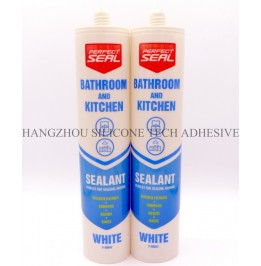
The cutting angle of a dispensing nozzle determines how the sealant exits the tube and interacts with the surface you’re sealing. A poorly chosen angle can lead to uneven application, wasted material, or even compromised adhesion. Here’s why this small detail deserves your attention.
The angle at which you cut the nozzle tip directly affects the size and shape of the sealant bead. A steeper angle (e.g., 45 degrees) produces a wider, flatter bead, which is ideal for covering larger gaps or creating smooth transitions between surfaces. In contrast, a shallower angle (e.g., 30 degrees) creates a narrower, more precise bead, suitable for detailed work or tight corners where excess material could cause issues.
For example, when sealing a bathtub joint, a 45-degree cut might help you lay down a consistent layer of sealant that fills the gap evenly. However, when applying sealant around a faucet base, a 30-degree cut could give you better control over the flow, preventing overapplication and reducing the need for cleanup.
An incorrect cutting angle can lead to unnecessary material wastage. If the angle is too wide, you may dispense more sealant than needed, increasing costs and creating excess that requires trimming or smoothing. Conversely, if the angle is too narrow, the sealant might not flow smoothly, forcing you to apply extra pressure or make multiple passes, which can also waste material.
Additionally, the wrong angle can complicate cleanup. A poorly shaped bead may require more time and effort to smooth out with a caulking tool or finger, especially if the sealant starts to cure before you finish the job. By choosing the right angle upfront, you can minimize cleanup and achieve a professional-looking finish with less hassle.
The cutting angle also influences how well the sealant adheres to the surface. A bead that’s too thick or uneven may not bond properly, leaving gaps where moisture or air can penetrate. Over time, this can lead to mold growth, structural damage, or failure of the seal. On the other hand, a properly shaped bead ensures maximum contact with both surfaces, creating a strong, durable bond that lasts.
For instance, when sealing a window frame, a bead that’s too wide might not conform well to the irregularities of the wood or metal, reducing its effectiveness at preventing drafts or water infiltration. A narrower, more precise bead, however, can fill these gaps more effectively, improving energy efficiency and protecting the structure from damage.
Choosing the right cutting angle isn’t a one-size-fits-all decision—it depends on several factors related to your project, the sealant type, and the surfaces you’re working with. Here are the key considerations to keep in mind.
Different sealants have varying viscosities and flow characteristics, which affect how they respond to different cutting angles. Thicker sealants, such as silicone or polyurethane, may require a wider angle to flow smoothly, while thinner sealants, like acrylic or latex, might work better with a narrower angle for precision.
For example, a high-viscosity silicone sealant used for bathroom tiles might need a 45-degree cut to ensure it flows easily into the joint without clogging the nozzle. Meanwhile, a low-viscosity acrylic sealant for interior trim could benefit from a 30-degree cut for cleaner lines and less mess.
The dimensions of the gap you’re sealing play a major role in determining the ideal cutting angle. Larger gaps (e.g., those between a bathtub and wall) typically require a wider bead to fill the space adequately, while smaller gaps (e.g., around a door frame) need a narrower bead to avoid overfilling.
Measure the width and depth of the gap before cutting the nozzle. If the gap is more than ¼ inch wide, consider starting with a 45-degree angle and adjusting as needed. For gaps smaller than ¼ inch, a 30-degree angle is usually sufficient. Keep in mind that some projects may require a combination of angles—for example, using a wider angle for the base of a joint and a narrower angle for the edges.
The texture and material of the surfaces you’re sealing also influence the cutting angle. Rough or porous surfaces, like concrete or untreated wood, may absorb some of the sealant, requiring a wider bead to ensure proper coverage. Smooth, non-porous surfaces, such as glass or metal, allow the sealant to sit on top, so a narrower bead might be more appropriate.
For instance, when sealing a gap between a granite countertop and a backsplash, a 30-degree cut could help you apply a thin, even layer that adheres well to the smooth stone. However, when sealing a crack in a concrete floor, a 45-degree cut might be necessary to compensate for the rough texture and ensure the sealant fills the gap completely.
Even with careful planning, the perfect cutting angle may require some trial and error. Testing the angle on a scrap piece of material or an inconspicuous area can help you fine-tune your approach before tackling the main project. Here’s how to test and adjust effectively.
Before cutting the nozzle for your actual project, practice on a spare piece of the same material you’ll be sealing. This allows you to see how the sealant flows and forms a bead without risking mistakes on the final surface. Apply the sealant using the angle you’ve chosen, then inspect the bead for size, shape, and adhesion.
If the bead is too thick or uneven, try cutting the nozzle at a shallower angle. If it’s too thin or doesn’t fill the gap adequately, opt for a steeper angle. Make small adjustments each time until you achieve the desired result.
When testing, avoid making drastic changes to the cutting angle. Instead, trim the nozzle in small increments (e.g., 5–10 degrees at a time) to avoid overcorrecting. This gradual approach gives you more control over the bead size and helps you find the sweet spot faster.
For example, if you start with a 45-degree cut and the bead is too wide, trim the nozzle to a 40-degree angle and test again. If it’s still too wide, continue trimming in 5-degree increments until you reach the ideal size. Similarly, if a 30-degree cut produces a bead that’s too narrow, increase the angle incrementally until the bead fills the gap properly.
Once you’ve applied the test bead, evaluate its shape and how well it adheres to the surface. A well-formed bead should be uniform in width, with smooth edges and no gaps or air bubbles. It should also bond tightly to both sides of the joint, without lifting or separating when touched.
If the bead doesn’t meet these criteria, adjust the cutting angle and test again. Pay attention to how the sealant interacts with the surface texture—if it’s not adhering well, you may need to clean the surface more thoroughly or choose a different angle to compensate for the material’s properties.
By taking the time to choose, test, and adjust the cutting angle of your sealant dispensing nozzle, you can achieve cleaner, more precise applications that save time, reduce waste, and ensure long-lasting results. Whether you’re a DIY enthusiast or a professional contractor, mastering this simple yet critical detail can elevate the quality of your sealing projects.
Copyright 2019 by Hangzhou Silicone Tech Adhesive Co., Ltd. All rights reserved.
Bathroom Sealant | Acrylic Sealant | Dow Corning 795 | Aquarium Sealant | Dow Corning 732 | Clear Silicone Sealant | Polysulfide Sealant | Glazing Sealant | Mirror Sealant | IG Sealant
Powered by Onepound


