E-mail:
sales@silicone-sealant-china.com

Applying sealant in your bathroom is a critical step in preventing water damage, mold growth, and structural issues. However, the first 24 hours after application are equally important, as the sealant needs time to cure properly. During this period, improper handling or exposure to certain conditions can compromise its effectiveness, leading to costly repairs down the line. Below, we explore why this initial curing phase matters and how to protect your bathroom sealant during this crucial time.
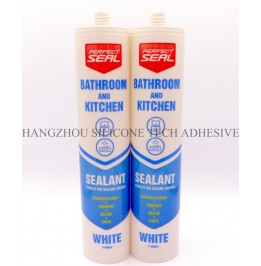
The curing process of bathroom sealants involves chemical reactions that transform the liquid material into a durable, waterproof barrier. This transformation isn’t instantaneous—it requires time and specific environmental conditions to occur correctly. Understanding what happens during these first 24 hours can help you take the right steps to safeguard your work.
Most bathroom sealants, whether silicone-based or acrylic, rely on moisture from the air to initiate curing. When applied, the sealant absorbs water molecules, triggering cross-linking—a process where polymer chains bond together to form a solid structure. This hardening typically begins within minutes but takes hours to complete fully.
For example, a silicone sealant might feel tacky to the touch after a few hours but won’t reach its full strength and flexibility for up to 24 hours. During this time, the sealant remains vulnerable to disruption, such as movement, moisture, or physical contact, which can weaken its bond or create surface defects.
Temperature and humidity play significant roles in how quickly sealant cures. Warmer temperatures accelerate chemical reactions, while cooler conditions slow them down. Similarly, high humidity provides more moisture for curing, but excessive levels can lead to uneven hardening or bubbling if the sealant skins over too quickly.
In a typical bathroom, temperatures range between 60–80°F (15–27°C), which is ideal for most sealants. However, if the room is colder or draftier, curing may take longer, requiring extended protection. Conversely, in a steamy bathroom after a shower, high humidity can speed up surface curing but may trap moisture beneath if not managed properly.
Using the bathroom too soon after sealant application—such as taking a shower, cleaning, or hanging towels—can disrupt the curing process. Even light pressure or movement can deform the sealant, creating gaps or weak spots that allow water to penetrate. Additionally, exposing fresh sealant to water or steam can wash away uncured material or cause it to bubble, ruining the finish.
Imagine applying sealant around your bathtub and immediately filling it with water: the pressure could push the uncured material out of place, leaving an uneven joint that leaks. Similarly, wiping down freshly sealed tiles with a damp cloth might smear the sealant or introduce moisture that interferes with curing.
To ensure your bathroom sealant cures properly, take proactive measures to shield it from potential disruptions during the first 24 hours. These steps focus on controlling environmental factors and minimizing physical contact with the sealant.
The simplest way to protect fresh sealant is to restrict access to the bathroom for at least 24 hours. This prevents accidental contact, such as brushing against the sealant with clothing or towels, or introducing moisture through handwashing or showering. If possible, use an alternative bathroom or schedule the sealing work when the space won’t be needed.
For households with limited bathrooms, consider setting up temporary barriers, like plastic sheeting or tape, around the sealed areas to discourage touching. Place signs or verbal reminders to alert family members or roommates about the ongoing curing process.
As mentioned earlier, temperature and humidity affect curing speed and quality. To create an ideal environment, keep the bathroom at a consistent temperature between 60–80°F (15–27°C) using a space heater or central heating. Avoid drafts from open windows or doors, as they can lower the temperature unevenly and slow curing.
If humidity is high (above 70%), use a dehumidifier to reduce moisture levels, especially in small bathrooms or those without proper ventilation. Alternatively, run an exhaust fan briefly after applying sealant to help dissipate excess humidity, but turn it off once the air feels less steamy to prevent drying out the sealant too quickly.
Water is the biggest threat to freshly applied sealant, so keep the area completely dry for the first 24 hours. This means no showering, bathing, or handwashing in the sealed bathroom. If you must use the sink, do so gently and avoid splashing water near the sealant.
Steam from hot showers or boiling water can also harm the sealant by introducing moisture beneath the surface. To minimize steam, avoid cooking activities that generate steam near the bathroom and postpone hot showers until after the curing period. If steam is unavoidable, open windows or use a fan to ventilate the room quickly afterward.
Even with the best intentions, certain errors can undermine your efforts to protect fresh sealant. Being aware of these pitfalls can help you achieve better results and avoid costly rework.
It’s natural to want to check if the sealant is dry, but touching it prematurely can leave fingerprints or indentations that mar the finish. Resist the urge to poke or press the sealant, even if it appears firm on the surface. Instead, wait the full 24 hours before inspecting it for proper adhesion and smoothness.
If you’re unsure whether the sealant is cured, perform a gentle touch test with a clean, dry finger after 24 hours. If it feels tacky or soft, allow more time before using the bathroom.
Cleaning the bathroom during the curing period is a no-go, but even after 24 hours, avoid using abrasive cleaners or tools on fresh sealant. Harsh chemicals can degrade the material over time, while scrub brushes or steel wool can scratch the surface, creating entry points for water and mold.
Stick to mild, non-abrasive cleaners and soft cloths when maintaining sealed areas. For stubborn stains, use a solution of water and vinegar or a specialized sealant cleaner recommended by the manufacturer.
If you notice bubbling, cracking, or uneven texture in the sealant after 24 hours, don’t ignore these warning signs. They indicate that the curing process was disrupted, likely due to moisture, temperature fluctuations, or physical disturbance. Addressing these issues early can prevent further damage and ensure the sealant performs as intended.
To fix incomplete curing, carefully remove the affected sealant using a plastic scraper or putty knife (avoid metal tools that can damage surfaces). Clean the area thoroughly with rubbing alcohol to remove residue, then reapply fresh sealant following the manufacturer’s instructions. Allow the new sealant to cure undisturbed for another 24 hours before using the bathroom.
By taking these precautions and avoiding common mistakes, you can protect your bathroom sealant during its critical first 24 hours, ensuring a durable, waterproof finish that lasts for years.
Copyright 2019 by Hangzhou Silicone Tech Adhesive Co., Ltd. All rights reserved.
Bathroom Sealant | Acrylic Sealant | Dow Corning 795 | Aquarium Sealant | Dow Corning 732 | Clear Silicone Sealant | Polysulfide Sealant | Glazing Sealant | Mirror Sealant | IG Sealant
Powered by Onepound


