E-mail:
sales@silicone-sealant-china.com

High humidity can significantly impact the curing process of sealants, often causing them to cure faster than intended or develop surface defects like bubbling, cracking, or uneven texture. While some sealants are formulated to perform well in moist conditions, others may require adjustments to achieve optimal results. Understanding how humidity affects curing and implementing targeted strategies can help you manage these challenges effectively.
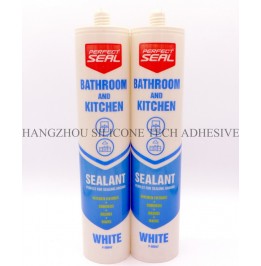
Humidity introduces moisture into the curing environment, which interacts with the chemical components of sealants in ways that alter their hardening process. These interactions can lead to both positive and negative outcomes, depending on the sealant type and application method.
Certain sealants, such as silicone-based or polyurethane variants, rely on moisture from the air to initiate and complete their curing process. In high-humidity conditions, these sealants absorb water molecules more readily, which accelerates chemical reactions like cross-linking—the process that transforms the liquid sealant into a solid, elastic material.
For example, a silicone sealant applied in a bathroom with 70% humidity may cure within 12 hours, whereas the same product in a dry environment (30% humidity) might take 24 hours or longer. While faster curing can be advantageous for time-sensitive projects, it requires careful handling to avoid surface imperfections.
One downside of rapid curing in humid conditions is the formation of a tough outer “skin” while the interior remains uncured. This skin can trap moisture beneath the surface, leading to bubbling or blistering as the enclosed water vapor expands during continued curing. Additionally, if the sealant cures too quickly, it may not adhere properly to surfaces, creating weak joints prone to peeling or cracking.
For instance, a polyurethane sealant applied in a humid basement might develop a hard shell within minutes, locking in moisture that later causes the material to foam or delaminate. This is particularly problematic in areas exposed to frequent temperature changes, as trapped moisture can expand and contract, further stressing the seal.
High humidity can also affect how well sealants bond to surfaces. Excess moisture on substrates like concrete, wood, or metal may prevent the sealant from forming a strong mechanical or chemical bond, reducing its overall durability. Moreover, rapid curing in humid air can make the sealant brittle, limiting its ability to flex with building movements or temperature fluctuations.
Consider a window sealant applied during a rainy season: if the frame isn’t completely dry, the sealant might cure with reduced adhesion, allowing water to seep through gaps over time. Similarly, a tile grout sealant that cures too quickly in humid air may crack when the tiles expand due to heat, compromising its waterproofing function.
While humidity can complicate curing, several strategies can help you control the process and achieve faster, more reliable results. These methods focus on optimizing environmental conditions and adjusting application techniques to suit moist environments.
Improving ventilation is one of the simplest ways to manage humidity during sealant curing. Use fans, exhaust systems, or open windows to promote airflow, which helps dissipate excess moisture from the air and the sealant’s surface. This prevents the formation of a moisture-trapping skin and ensures even curing throughout the material.
For example, in a poorly ventilated bathroom, place a box fan near the door or window to draw humid air out and replace it with drier outdoor air (if available). If working indoors, avoid sealing off the area completely; instead, leave doors slightly ajar to maintain air movement. In enclosed spaces like crawl spaces or basements, use dehumidifiers alongside fans to lower humidity levels before applying sealant.
Temperature plays a critical role in curing speed, and in humid environments, raising the substrate temperature can help counteract the effects of moisture. Warmer surfaces absorb sealants more effectively and accelerate chemical reactions, leading to faster curing. However, avoid extreme heat, as it can cause the sealant to cure unevenly or develop cracks.
To warm substrates safely, use infrared heaters or heat guns on a low setting, keeping them at least 12 inches away from the surface to prevent overheating. For large areas like floors or walls, consider using space heaters to raise the ambient temperature gradually. Always test the substrate temperature with an infrared thermometer before applying sealant to ensure it’s within the recommended range (typically between 50–90°F or 10–32°C).
Thicker sealant beads are more likely to trap moisture during curing, especially in humid conditions. By applying thinner, uniform layers (about 3–6mm wide), you reduce the material’s volume and surface area, allowing moisture to escape more easily. Thinner beads also cure faster, as heat and moisture can penetrate the material more effectively.
Use a caulking gun with a precision nozzle to control the bead size, and maintain steady pressure as you apply. For vertical joints, work from top to bottom to prevent sagging, and smooth each bead immediately with a tooling device dipped in soapy water to create a clean finish. If the sealant starts to skin over too quickly, reduce the bead size further or work in smaller sections to minimize exposure time.
Even with the right techniques, certain errors can undermine your efforts to accelerate curing in high humidity. Being aware of these pitfalls can help you achieve better results and avoid costly rework.
One of the most common mistakes is applying sealant to damp or wet surfaces. Moisture on the substrate can interfere with adhesion and trap water beneath the sealant, leading to bubbling or delamination. Always ensure surfaces are completely dry before sealing, especially in humid environments where condensation is likely.
To check for dryness, use a moisture meter or press a piece of plastic wrap onto the surface for a few hours. If condensation forms underneath the plastic, the substrate is too wet to seal. Allow additional drying time or use a dehumidifier to reduce moisture levels before proceeding.
Failing to monitor humidity during curing can result in unpredictable outcomes, such as uneven hardening or surface defects. Use a hygrometer to track relative humidity in the workspace, and adjust your approach based on the readings. If humidity exceeds 70%, consider postponing the application until conditions improve or implementing additional moisture-control measures.
For example, if you’re sealing a shower enclosure and the humidity spikes due to heavy rain, pause the project until the air dries out. Alternatively, use temporary shading or dehumidifiers to lower humidity levels in the immediate area.
Tooling—the act of smoothing the sealant bead with a tool—is crucial for creating a watertight seal and a professional finish. However, in humid conditions, the sealant may skin over too quickly, making tooling difficult or ineffective. Avoid rushing this step by working in small sections and tooling each bead immediately after application.
If the sealant becomes too firm to tool, don’t force it; instead, remove the uncured material with a solvent (if permitted by the manufacturer) and reapply a fresh bead. Forcing a tool into a partially cured sealant can create gaps or tears, compromising its performance.
By understanding how humidity affects sealant curing and implementing these targeted strategies, you can achieve faster, more reliable results even in challenging moist environments. Proper ventilation, temperature control, and application adjustments are key to overcoming the hurdles of high-humidity curing.
Copyright 2019 by Hangzhou Silicone Tech Adhesive Co., Ltd. All rights reserved.
Bathroom Sealant | Acrylic Sealant | Dow Corning 795 | Aquarium Sealant | Dow Corning 732 | Clear Silicone Sealant | Polysulfide Sealant | Glazing Sealant | Mirror Sealant | IG Sealant
Powered by Onepound


