E-mail:
sales@silicone-sealant-china.com

Applying sealant in a bathroom during summer comes with unique challenges, particularly when it comes to managing exposure to intense sunlight and heat. High temperatures and direct UV rays can accelerate curing, cause cracking, or weaken adhesion, leading to premature sealant failure. Understanding how to shield your work from sun damage is essential for achieving a long-lasting, waterproof finish.
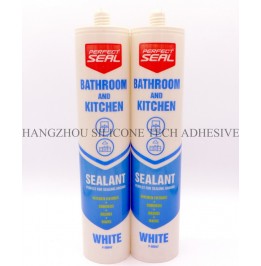
The combination of heat and UV radiation during summer creates harsh conditions that can compromise sealant performance. These factors affect curing, adhesion, and material integrity in ways that require careful mitigation.
High temperatures speed up the chemical reactions that cause sealants to harden, often resulting in faster curing than intended. While this might seem beneficial, rapid curing can make the sealant brittle, reducing its ability to flex with bathroom movements caused by temperature changes or structural settling.
For example, a sealant applied on a scorching afternoon might cure within hours instead of days, leaving little time for proper tooling or smoothing. This rushed process can create uneven surfaces or trapped air pockets, which weaken the seal and make it more susceptible to cracking under stress.
Direct sunlight exposes sealants to ultraviolet (UV) rays, which can degrade the polymer chains that give the material its strength and elasticity. Over time, UV exposure causes the sealant to become chalky, discolored, or cracked, especially in areas where sunlight hits repeatedly, such as near windows or skylights.
Even sealants labeled as “UV-resistant” can degrade if left exposed for extended periods. In a bathroom, this degradation can lead to water infiltration, mold growth, or structural damage if the sealant fails to maintain its waterproof barrier.
Bathroom materials like tiles, glass, and metal expand and contract with temperature fluctuations. During summer, high indoor temperatures—especially in poorly ventilated bathrooms—can exacerbate this movement, putting stress on sealed joints. If the sealant is too rigid or has cured unevenly, it may crack or pull away from surfaces as materials shift.
For instance, a shower enclosure sealed during a cool morning might expand significantly by afternoon, stretching the sealant beyond its capacity. Without proper flexibility, the sealant could tear, creating gaps that allow water to penetrate.
Preventing sun damage starts with controlling the environment where you apply the sealant. Here’s how to create optimal conditions for a successful summer installation.
Avoid applying sealant during peak sunlight hours, typically between 10 a.m. and 4 p.m., when temperatures are highest and UV radiation is strongest. Instead, plan your work for early morning or late afternoon, when the sun is less intense and temperatures are cooler.
Early morning is often ideal, as surfaces are likely to be at their coolest after overnight cooling. This gives the sealant time to cure gradually without the risk of overheating. If morning work isn’t possible, late afternoon or early evening can also provide suitable conditions, especially if the bathroom remains shaded during these times.
If your bathroom receives direct sunlight during your planned work hours, create temporary shade to protect the area. Hang lightweight curtains, blinds, or tarps over windows or skylights to block UV rays and reduce heat buildup. For outdoor-facing bathrooms, consider using a pop-up canopy or umbrella to shield the workspace.
Ensure the shading method doesn’t trap heat inside the bathroom, as this could raise temperatures further. Use breathable materials like cotton or mesh that allow air circulation while still providing UV protection. If using tarps or plastic sheeting, secure them loosely to avoid creating hot spots.
Proper ventilation is crucial for maintaining a stable temperature during sealant application. Use exhaust fans or open windows to promote airflow, which helps dissipate heat and prevents the bathroom from becoming overly stuffy. If the bathroom has a ceiling fan, turn it on to keep air moving and reduce humidity, which can also affect curing.
Avoid using air conditioning directly on freshly applied sealant, as rapid cooling can cause uneven curing or surface cracking. Instead, focus on removing hot air and bringing in cooler outdoor air (if available). If the outdoor temperature is too high, rely on fans to circulate air without introducing extreme temperature changes.
Even with environmental controls, summer heat may require modifications to your sealing process. Here’s how to adapt your approach for better results in warm weather.
Divide the bathroom into manageable sections and apply sealant to one area at a time. This reduces the amount of fresh sealant exposed to sunlight and heat, lowering the risk of accelerated curing or uneven hardening. Start with the most shaded or coolest parts of the bathroom and progress to sunnier areas as you go.
For example, begin sealing joints around the bathtub or shower base before moving to walls near windows. Use a timer to track how long each section takes to cure, adjusting your pace as needed based on temperature and humidity. If a section cures too quickly, pause and wait for cooler conditions before continuing.
Thicker sealant beads take longer to cure but are more prone to overheating in summer, which can cause cracking or bubbling. Instead, apply thinner, consistent layers (about 5–8mm wide) to promote even curing and reduce heat retention. Thinner layers also allow for better adhesion to surfaces, as they’re less likely to sag or pull away during the curing process.
Use a caulking gun with a precision nozzle to control the bead size, and maintain steady pressure as you apply. For vertical joints, work from top to bottom to prevent the sealant from dripping before it cures. Smooth each bead immediately with a tooling device dipped in soapy water to create a clean, professional finish.
After applying sealant, shield the freshly sealed joints from direct sunlight until the material has cured sufficiently. Use the same temporary shading methods mentioned earlier, or cover the sealed areas with clean, lightweight fabric or paper to block UV rays. Avoid using plastic sheeting, as it can trap heat and moisture, interfering with curing.
If the bathroom must remain in use during curing, cordon off the sealed areas with tape or signs to prevent accidental contact or exposure to water. Encourage household members to avoid opening windows or doors near the sealed joints, as drafts can introduce dust or debris that might mar the finish.
By understanding the risks of summer sun exposure and implementing these protective measures, you can ensure your bathroom sealant cures properly and maintains its integrity for years to come. Proper scheduling, shading, ventilation, and adjusted techniques are key to overcoming the challenges of high-heat applications.
Copyright 2019 by Hangzhou Silicone Tech Adhesive Co., Ltd. All rights reserved.
Bathroom Sealant | Acrylic Sealant | Dow Corning 795 | Aquarium Sealant | Dow Corning 732 | Clear Silicone Sealant | Polysulfide Sealant | Glazing Sealant | Mirror Sealant | IG Sealant
Powered by Onepound


