E-mail:
sales@silicone-sealant-china.com

Applying sealant in a bathroom during winter requires careful attention to temperature conditions to achieve a durable, waterproof finish. Cold weather can affect the curing process, adhesion, and overall performance of sealants, leading to cracks, poor bonding, or mold growth. Understanding how to manage temperature fluctuations and create an optimal environment for application is essential for long-lasting results.
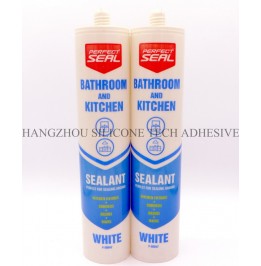
The effectiveness of bathroom sealants hinges on their ability to cure properly, adhere to surfaces, and resist environmental stress. Winter temperatures introduce unique challenges that can disrupt these processes.
Most sealants rely on chemical reactions to harden, and these reactions slow down in cold weather. When temperatures drop below the manufacturer’s recommended range (typically 10°C to 25°C or 50°F to 77°F), the sealant may remain soft for longer, leading to uneven curing. This can create weak spots prone to cracking or peeling, especially in high-moisture areas like showers and bathtubs.
For example, a sealant applied at 5°C (41°F) might take twice as long to cure as one applied at 20°C (68°F), increasing the risk of accidental damage during the waiting period. Inconsistent curing can also result in a rough or tacky surface, compromising both aesthetics and functionality.
Cold substrates, such as tiles, glass, or metal fixtures, can reduce the sealant’s ability to bond effectively. When surfaces are below the dew point, condensation may form, creating a moist layer that interferates with adhesion. Even if the air temperature is within range, a cold substrate can draw heat away from the sealant, slowing its curing process and weakening the bond.
To illustrate, applying sealant to a tile wall that’s been exposed to cold drafts may result in poor adhesion at the edges, allowing water to seep behind the sealant over time. This is particularly problematic in bathrooms, where constant exposure to steam and splashes accelerates deterioration.
Bathroom materials expand and contract with temperature changes, and sealants must accommodate this movement without cracking. Cold temperatures can make sealants more rigid, reducing their flexibility. If the sealant becomes too stiff, it may crack when subjected to thermal stress, such as sudden temperature shifts from a hot shower to a cold room.
For instance, a sealant applied in a poorly heated bathroom might harden into a brittle state, failing to stretch as the tiles expand during a warm shower. This can lead to gaps or fractures, undermining the seal’s waterproofing capabilities.
Achieving the right temperature conditions requires proactive planning and the use of simple tools to regulate the workspace. Here’s how to prepare your bathroom for sealant application in winter.
Use portable heaters or central heating to raise the bathroom’s temperature to the manufacturer’s recommended range at least 24 hours before applying sealant. This ensures both the air and surfaces are warm enough to support proper curing. Avoid using propane heaters, as they can introduce moisture into the air, which may interfere with adhesion.
During application, keep the heater running at a low setting to maintain consistent warmth. Focus on heating the area directly around the joints being sealed, as these are the most critical for adhesion and curing. If possible, close doors and vents to prevent cold drafts from lowering the temperature.
Even if the air temperature is adequate, cold surfaces can still pose problems. Use a hairdryer or heat gun on a low setting to gently warm tiles, glass, or metal fixtures before applying sealant. Hold the tool several inches away from the surface to avoid overheating, which could cause damage or uneven expansion.
For large areas, divide the workspace into sections and warm each one just before sealing. This ensures the substrate remains at the optimal temperature throughout the process. After warming, wipe the surface with a clean, dry cloth to remove any condensation or debris that could affect adhesion.
Cold air often holds less moisture, but heating a bathroom in winter can increase humidity if ventilation is poor. High humidity (above 70%) can slow curing and lead to a tacky finish, while low humidity (below 30%) may cause the sealant to dry too quickly, resulting in cracks.
Use a hygrometer to monitor humidity levels and adjust them as needed. If humidity is too high, open windows briefly or use a dehumidifier to reduce moisture. If it’s too low, place a bowl of water near the heater to add moisture to the air. Aim for a relative humidity of 40–60% for optimal curing conditions.
Even with ideal temperature control, winter conditions may require modifications to your sealing technique. Here’s how to adapt your approach for better results.
In cold weather, thicker sealant beads take longer to cure, increasing the risk of uneven hardening. Instead, apply thinner, consistent beads (about 5–8mm wide) to reduce curing time. This allows the sealant to harden more evenly, minimizing the chance of cracks or weak spots.
Use a caulking gun with a precision nozzle to control the bead size, and maintain steady pressure as you apply. For vertical joints, start at the bottom and work upward to prevent the sealant from sagging before it cures. Smooth the bead with a tooling device dipped in soapy water to create a clean, even finish.
Deep joints (over 10mm) are particularly vulnerable in cold weather, as the sealant may sink or cure unevenly. To avoid this, apply the sealant in two layers. First, fill the joint halfway and tool it flat to remove air pockets. After partial curing (1–2 hours), apply a second layer and tool it to the desired shape.
This method ensures the sealant cures in stages, reducing the risk of internal stress or cracking. It also allows the first layer to bond firmly to the substrate before the second layer is added, improving overall adhesion and durability.
Even with temperature control, cold weather can lengthen the time sealant takes to cure fully. To prevent damage, avoid exposing freshly applied sealant to water for at least 48–72 hours, or as recommended by the manufacturer. This includes avoiding showers, splashes, or steam in the bathroom during this period.
If the bathroom must be used, cover the sealed joints with plastic sheeting or tape to protect them from moisture. Remove the covering gently after the curing period to avoid disturbing the sealant. For critical areas like shower trays, consider scheduling repairs during a time when the bathroom can remain unused for an extended period.
By understanding the challenges of winter sealant application and implementing these strategies, you can ensure a durable, waterproof finish that withstands cold temperatures and bathroom moisture. Proper temperature management, surface preparation, and adjusted techniques are key to achieving professional-quality results in any season.
Copyright 2019 by Hangzhou Silicone Tech Adhesive Co., Ltd. All rights reserved.
Bathroom Sealant | Acrylic Sealant | Dow Corning 795 | Aquarium Sealant | Dow Corning 732 | Clear Silicone Sealant | Polysulfide Sealant | Glazing Sealant | Mirror Sealant | IG Sealant
Powered by Onepound


