E-mail:
sales@silicone-sealant-china.com

After applying sealant in bathroom areas—such as around bathtubs, showers, sinks, or tiles—achieving a flat and even surface is crucial for both aesthetics and functionality. An uneven sealant line can trap water, leading to mold growth or water damage over time, while also detracting from the overall appearance of the bathroom. Here’s how to properly inspect and ensure the flatness of your bathroom sealant after application.
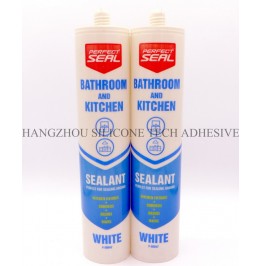
A flat sealant surface serves multiple purposes in a bathroom environment. First, it creates a seamless barrier that prevents water from seeping into joints and crevices, which is especially important in areas constantly exposed to moisture. Second, a smooth finish enhances the visual appeal of the bathroom, giving it a polished and professional look. Finally, a flat sealant line is easier to clean and maintain, as dirt and grime are less likely to accumulate in uneven surfaces.
When sealant is applied unevenly, it can form ridges or depressions that disrupt the flow of water. These imperfections not only compromise the seal’s effectiveness but also create hiding spots for bacteria and mold. By ensuring a flat surface, you minimize these risks and extend the lifespan of your sealant.
To accurately assess the flatness of your bathroom sealant, you don’t need specialized equipment—just a few simple tools and a keen eye. Start by gathering a straightedge, such as a metal ruler or a level, and a bright light source. The straightedge will help you detect any irregularities in the sealant line, while good lighting ensures you can see every detail clearly.
Begin by running the straightedge along the length of the sealant line, applying gentle pressure to feel for any bumps or dips. Move the straightedge in different directions to cover the entire surface, paying close attention to corners and edges where imperfections are more likely to occur. If you notice any areas where the straightedge doesn’t sit flush against the sealant, mark these spots for further inspection.
Next, use your fingers to gently run along the sealant line, feeling for any rough patches or inconsistencies. This tactile approach can reveal subtle imperfections that might be missed by the straightedge alone. Be thorough in your examination, checking both the top surface and the sides of the sealant line for any signs of unevenness.
For a more detailed inspection, shine a bright light along the sealant line at a low angle. This technique, known as raking light, casts shadows that highlight even the smallest irregularities. Look for any shadows or highlights that indicate a raised or depressed area in the sealant. This method is particularly useful for detecting fine scratches or texture variations that could affect the seal’s performance.
During your inspection, you may encounter several common issues that affect the flatness of bathroom sealant. One of the most frequent problems is overfilling, where too much sealant is applied, causing it to bulge outward. This not only creates an unsightly finish but also makes the sealant more prone to cracking or peeling over time. To fix overfilled sealant, carefully trim the excess using a sharp utility knife or a sealant removal tool, ensuring you maintain a smooth, even edge.
Another issue is underfilling, where insufficient sealant is applied, leaving gaps or depressions in the joint. This compromises the seal’s ability to prevent water infiltration and can lead to leaks. If you discover underfilled areas, reapply a small amount of sealant to fill the gap completely, then smooth it out using a caulk finisher or a wet finger to achieve a flat surface.
Uneven application can also result from improper tool use or inconsistent pressure during the sealing process. This can cause the sealant to vary in thickness along the line, creating an uneven appearance. To correct this, use a straightedge or a smoothing tool to gently press down on the thicker sections, redistributing the sealant to create a more uniform surface. Be careful not to apply too much pressure, as this could damage the surrounding surfaces or create new imperfections.
Once you’ve achieved a flat and even sealant surface, it’s important to maintain it properly to ensure its longevity. Regular cleaning is essential to prevent the buildup of dirt, grime, and soap scum, which can degrade the sealant over time. Use a mild detergent and a soft cloth or sponge to clean the sealant line, avoiding abrasive cleaners or scrubbers that could scratch or damage the surface.
Avoid using sharp objects or tools near the sealant, as these can accidentally gouge or cut the material, compromising its integrity. If you need to remove stubborn stains or residue, use a non-abrasive cleaning solution and apply gentle pressure to avoid damaging the sealant.
Periodically inspect the sealant line for signs of wear or damage, such as cracking, peeling, or discoloration. These issues can indicate that the sealant is no longer performing effectively and may need to be replaced. By catching problems early, you can prevent more extensive damage to your bathroom and ensure that your sealant continues to provide a reliable barrier against water and moisture.
Finally, consider applying a sealant protector or enhancer to extend the lifespan of your sealant and maintain its flat, even appearance. These products can help repel water, resist stains, and prevent mold and mildew growth, keeping your bathroom looking clean and well-maintained for years to come.
Copyright 2019 by Hangzhou Silicone Tech Adhesive Co., Ltd. All rights reserved.
Bathroom Sealant | Acrylic Sealant | Dow Corning 795 | Aquarium Sealant | Dow Corning 732 | Clear Silicone Sealant | Polysulfide Sealant | Glazing Sealant | Mirror Sealant | IG Sealant
Powered by Onepound


