E-mail:
sales@silicone-sealant-china.com

When renovating a bathroom, the order in which you apply sealant and perform tile grouting can significantly impact the final result. Both processes are essential for creating a waterproof, durable, and aesthetically pleasing space, but doing them in the wrong sequence can lead to complications, rework, or subpar outcomes. Here’s a detailed guide on how to arrange these tasks for the best possible finish.
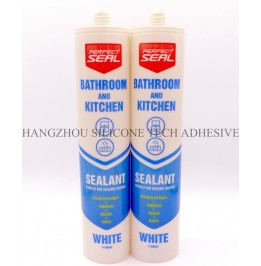
Before diving into the sequence, it’s important to understand what each process accomplishes. Tile grouting fills the gaps between tiles, providing structural stability and preventing water from seeping beneath the tiles. It also enhances the overall appearance of the tiled surface by creating clean, uniform lines. Sealant, on the other hand, is used to seal joints and gaps around fixtures like bathtubs, showers, sinks, and where tiles meet walls or floors. It acts as a waterproof barrier, preventing moisture from penetrating these vulnerable areas and causing damage.
While both processes involve filling gaps, they serve different purposes and are applied to different parts of the bathroom. Grouting is primarily for the spaces between tiles, while sealant is used for joints where tiles meet other surfaces or fixtures. Knowing this distinction helps in planning the correct order of operations.
Applying sealant and grouting out of sequence can lead to several issues. If you apply sealant first and then grout, the grout may interfere with the sealant’s adhesion, causing it to peel or crack over time. This compromises the waterproofing ability of the sealant, leading to potential water damage. Additionally, excess grout can get onto the sealant, making it difficult to clean and affecting its appearance.
Conversely, if you grout first and then apply sealant over the grout lines, the sealant may not adhere properly to the grout surface. Grout is porous, and applying sealant directly on top may not create a strong, waterproof bond. This can result in water seeping through the grout lines, undermining the effectiveness of both the grout and the sealant.
Another issue with incorrect sequencing is the potential for rework. If you realize after grouting that you need to adjust or reapply sealant, you may have to remove some of the grout, which is time-consuming and can damage the tiles. Similarly, applying sealant too early may require you to redo it if the grouting process affects its integrity.
The recommended sequence for a bathroom renovation is to perform tile grouting first, followed by sealant application. This approach ensures that each process can be completed effectively without interfering with the other. Here’s a step-by-step breakdown of how to execute this sequence:
Before grouting, ensure that the tiles are clean and free of debris, dust, or excess adhesive. Use a damp cloth to wipe down the tiles and allow them to dry completely. This creates a clean surface for the grout to adhere to, ensuring a strong bond and a uniform finish.
Mix the grout according to the manufacturer’s instructions, achieving a smooth, workable consistency. Using a grout float, spread the grout over the tile joints, pressing it firmly into the gaps to ensure complete coverage. Work in small sections to prevent the grout from drying out before you can smooth it. Once the grout is applied, use a damp sponge to wipe away any excess grout from the tile surfaces, rinsing the sponge frequently to avoid smearing grout residue.
After grouting, allow the grout to cure for the time specified by the manufacturer. This typically takes 24 to 72 hours, depending on the type of grout and environmental conditions. During this time, avoid getting the grout wet or disturbing it, as this can weaken the bond and affect the final finish. Proper curing ensures that the grout is strong, durable, and ready for the next step.
Once the grout is fully cured, inspect the joints around fixtures and where tiles meet walls or floors. Clean these areas thoroughly to remove any dust, dirt, or grout residue that could interfere with sealant adhesion. Use a brush or vacuum cleaner to clear out debris from narrow gaps, ensuring a clean surface for the sealant.
Choose a high-quality sealant suitable for bathroom applications, ensuring it’s compatible with both the tile material and the grout. Cut the tip of the sealant tube at a 45-degree angle to create an opening that matches the size of the joint you’re sealing. Using a caulking gun, apply a steady bead of sealant along the joint, filling it completely. Use a smoothing tool or a wet finger to shape the sealant into a neat, concave profile, ensuring a waterproof seal.
To ensure the best possible outcome when sequencing sealant application and tile grouting, consider the following tips:
Allow sufficient time for both grout and sealant to cure before exposing them to moisture or heavy use. Rushing the process can lead to premature failure of either material, compromising the waterproofing and durability of your bathroom.
Invest in high-quality grouting and sealing tools, such as a grout float, caulking gun, and smoothing tools. These tools make the application process easier and help achieve a professional-looking finish.
Take your time during both grouting and sealing, ensuring that every joint is filled completely and that the surfaces are smooth and even. Small imperfections can lead to big problems down the line, so it’s worth the extra effort to get it right the first time.
Both grouting and sealing involve chemicals that can emit fumes, so ensure your bathroom is well-ventilated during and after the application process. Open windows or use fans to circulate air and reduce exposure to potentially harmful vapors.
Copyright 2019 by Hangzhou Silicone Tech Adhesive Co., Ltd. All rights reserved.
Bathroom Sealant | Acrylic Sealant | Dow Corning 795 | Aquarium Sealant | Dow Corning 732 | Clear Silicone Sealant | Polysulfide Sealant | Glazing Sealant | Mirror Sealant | IG Sealant
Powered by Onepound


