The timing for removing masking tape after the application of sealant
Jan 08,2026 | Views: 1923
Optimal Timing for Removing Masking Tape After Sealant Application
Proper removal of masking tape after applying sealants is critical to achieving clean, professional finishes. The timing depends on factors such as sealant type, surface material, and environmental conditions. Below are key considerations to avoid residue, surface damage, or uneven edges.
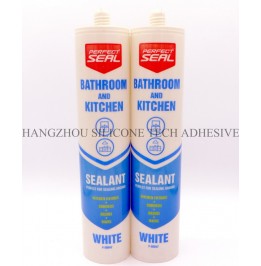
1. Immediate Removal for Time-Sensitive Applications
For projects requiring precision, such as tile grouting or decorative paneling, removing masking tape while the sealant is still semi-cured minimizes adhesion risks.
-
Example: When sealing tile joints with epoxy-based grout, technicians often remove tape within 5–10 minutes of application. This prevents the sealant from fully bonding to the tape, which could tear or leave jagged edges if removed later.
-
Why it works: Semi-cured sealants retain flexibility, allowing clean separation from the tape. Delayed removal may result in the sealant hardening onto the tape, requiring scraping or chemical solvents.
2. Delayed Removal for Slow-Curing Sealants
Some sealants, such as silicone-based variants, cure slower and require waiting until the material reaches a tack-free state before tape removal.
-
Example: In window or bathtub caulking, masking tape is typically left in place for 30 minutes to 1 hour. Removing it too early may smear the sealant, while waiting too long could cause the tape to bond permanently to the surface.
-
Key tip: Test a small section first. If the tape lifts cleanly without pulling up the sealant, proceed with removal. If resistance occurs, wait an additional 15–30 minutes.
3. Environmental Factors Influencing Removal Timing
Humidity and temperature significantly affect sealant curing rates, altering the ideal tape removal window.
-
High humidity: Accelerates curing, requiring earlier tape removal (e.g., 10–15 minutes after application).
-
Low humidity or cold temperatures: Slows curing, extending the window to 1–2 hours.
-
Example: In a humid kitchen, a contractor sealing countertop edges with acrylic sealant might remove tape after 20 minutes. In a dry, unheated garage, the same task could require waiting 90 minutes.
4. Surface Material Considerations
The substrate’s porosity and texture also dictate timing. Smooth, non-porous surfaces (e.g., glass, polished tile) allow faster tape removal, while rough or absorbent materials (e.g., concrete, textured wallpaper) may delay the process.
-
Smooth surfaces: Tape can often be removed within 5–30 minutes, as the sealant doesn’t penetrate deeply.
-
Rough surfaces: Wait until the sealant forms a skin (usually 30–60 minutes) to avoid pulling up partially cured material from crevices.
5. Common Pitfalls and Solutions
-
Residue left behind: If tape adhesive remains, soften it with a hairdryer on low heat or a damp cloth before wiping. Avoid scraping, which may damage the surface.
-
Sealant pulled up with tape: This occurs when removal is too early or too late. For minor issues, touch up the area with a small amount of sealant and smooth it with a finger dipped in soapy water.
-
Edge irregularities: Use a razor blade or plastic scraper to trim excess sealant after tape removal, followed by a final wipe-down with a damp cloth.
By tailoring tape removal timing to the specific sealant, environment, and surface, contractors and DIY enthusiasts can achieve flawless results without compromising efficiency. Always conduct a test patch to refine the process for your unique project conditions.
Prev: Filling techniques for irregular joint sealants
Next: How to use masking tape after applying bathroom sealant


