E-mail:
sales@silicone-sealant-china.com

Effective Application of Masking Tape in Bathroom Sealant Projects: A Step-by-Step Guide
Bathroom renovations often involve sealing gaps around tiles, bathtubs, or sinks to prevent water damage. Masking tape plays a critical role in achieving clean, professional-looking sealant lines while protecting adjacent surfaces. Below is a detailed breakdown of its application, tailored for both DIY enthusiasts and contractors.
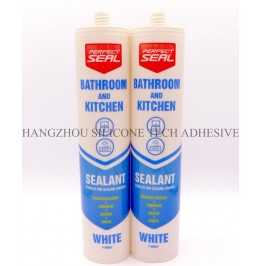
Before applying masking tape, thorough surface preparation ensures optimal adhesion and prevents imperfections. Start by cleaning the area with a damp cloth to remove dust, soap scum, or grease. For stubborn residues, use a mild detergent or isopropyl alcohol, then dry the surface completely. Moisture or debris under the tape can compromise its grip, leading to uneven sealant lines or tape detachment during removal.
Next, select the appropriate tape width. Narrow tapes (10–20mm) are ideal for intricate areas like tile corners or narrow gaps, while wider tapes (30–50mm) suit larger surfaces such as bathtub edges. Avoid stretching the tape during application, as this reduces its adhesive strength. Instead, apply it with steady, even pressure, ensuring it lies flat against the surface without wrinkles or bubbles.
1. Creating Crisp Edges on Flat Surfaces
For straight lines, align the tape along the edge of the area to be sealed, leaving a 1–2mm gap between the tape and the gap’s edge. This prevents sealant from seeping under the tape while ensuring a clean finish. Press the tape firmly with a plastic scraper or your fingertips to eliminate air pockets. When sealing around tiles, avoid overlapping tape onto the grout lines, as this can create uneven surfaces.
2. Navigating Corners and Curved Surfaces
Corners require a different approach to maintain adhesion. Cut small slits along the tape’s edge where it bends, allowing it to fold neatly without lifting. For curved surfaces like sinks or rounded bathtub edges, use shorter tape segments (10–15cm) and overlap them slightly. This flexibility ensures the tape conforms to the contour without pulling away during sealant application.
3. Protecting Adjacent Materials from Overspray
In bathrooms, sealant overspray can damage fixtures like faucets, mirrors, or painted walls. Apply tape to shield these areas, extending it 2–3cm beyond the sealing zone. For vertical surfaces, use a combination of horizontal and vertical tape strips to create a “barrier frame.” This method is particularly useful when sealing gaps near glass shower doors or ceramic tiles with delicate finishes.
The timing of tape removal significantly impacts the final result. Sealants typically reach a “tack-free” state within 30–60 minutes, depending on humidity and temperature. Remove the tape while the sealant is still slightly pliable but not fully cured. Pulling tape too early may cause the sealant to sag, while waiting too long can result in residue or torn edges.
To remove the tape, grip it at a 45–60-degree angle to the surface and pull steadily in one motion. If resistance occurs, gently fold the tape back on itself (away from the sealant line) to break the bond. For cured sealant, use a plastic scraper or utility knife to carefully lift the tape edge, then peel it away slowly. After removal, inspect the sealant line for irregularities and use a sealant smoothing tool to refine the finish if needed.
By following these techniques, you can achieve polished, durable sealant lines while minimizing cleanup effort. Whether renovating a small bathroom or tackling a large-scale project, masking tape remains an indispensable tool for precision and protection.
Copyright 2019 by Hangzhou Silicone Tech Adhesive Co., Ltd. All rights reserved.
Bathroom Sealant | Acrylic Sealant | Dow Corning 795 | Aquarium Sealant | Dow Corning 732 | Clear Silicone Sealant | Polysulfide Sealant | Glazing Sealant | Mirror Sealant | IG Sealant
Powered by Onepound


