E-mail:
sales@silicone-sealant-china.com

Applying sealant evenly across large surfaces, such as expansive countertops, floor joints, or industrial structures, requires precision and planning. Uneven application can lead to weak seals, wasted material, or the need for costly touch-ups. By focusing on preparation, technique, and environmental control, you can achieve consistent results even on substantial projects.
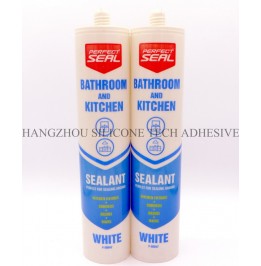
The foundation of uniform sealant application lies in preparing the surface correctly. Skipping this step often results in adhesion issues or uneven coverage.
Dirt, dust, grease, or old sealant residue can prevent new material from bonding properly, leading to patchy results. Start by sweeping or vacuuming the area to remove loose debris. For stubborn grime, use a damp cloth with mild detergent, scrubbing gently in circular motions. Rinse with clean water and allow the surface to dry completely before proceeding. Pay special attention to corners and edges, where contaminants tend to accumulate.
Cracks, holes, or uneven joints disrupt the flow of sealant, causing it to pool in some areas and thin out in others. Inspect the surface carefully and fill any gaps with a suitable filler material, such as a patching compound or backer rod for deeper joints. Smooth the filler flush with the surrounding surface using a putty knife or trowel, then sand lightly if necessary to create a seamless transition. This step ensures the sealant adheres evenly across the entire area.
To avoid accidental smears or overspray on nearby surfaces, use painter’s tape or masking film to protect them. Apply the tape along edges, trim, or fixtures, pressing it firmly to create a tight seal. For intricate shapes or tight corners, use a smaller roll of tape or cut strips to fit. Masking not only keeps the workspace clean but also defines clear boundaries for the sealant, helping you maintain straight lines and consistent width.
The method you use to apply sealant significantly impacts its uniformity. Different tools and approaches suit various project sizes and surface types.
A well-maintained caulking gun with a smooth trigger mechanism allows you to dispense sealant at a steady pace, reducing the risk of blobs or breaks in the bead. Choose a gun with an adjustable flow rate if possible, as this lets you adapt to different sealant viscosities. Hold the gun at a consistent 45-degree angle to the surface and apply gentle, even pressure on the trigger. Move the gun along the joint at a steady speed, keeping the nozzle close to the surface to prevent air gaps.
Tackling an entire large surface at once can lead to fatigue or inconsistencies in pressure, resulting in uneven beads. Instead, divide the area into manageable sections, such as 3- to 5-foot lengths for linear joints or quadrants for flat surfaces. Complete each section before moving on to the next, ensuring the sealant remains wet and workable. This approach also allows you to focus on maintaining a consistent bead width and depth throughout the project.
After applying sealant, use a smoothing tool, such as a caulk finisher or a damp finger wrapped in a latex glove, to shape the bead into a uniform profile. For concave beads, press the tool gently along the center of the sealant line; for convex beads, run the tool along the edges to create a rounded shape. Keep the tool clean by wiping it frequently on a damp cloth to avoid dragging debris into the fresh sealant. Smoothing not only improves aesthetics but also ensures the sealant fills the joint completely for better performance.
External factors like temperature, humidity, and sealant properties can affect application uniformity. Adjusting your approach based on these variables is crucial for success.
Sealants cure differently depending on environmental conditions. High temperatures can cause the material to set too quickly, making it difficult to smooth or adjust, while low temperatures may slow curing, leading to sagging or uneven drying. Similarly, high humidity can prolong drying times or cause bubbling, while dry air may accelerate curing. Check the sealant manufacturer’s recommendations for ideal application conditions and try to work within those ranges. If necessary, use climate control measures like heaters, fans, or dehumidifiers to create a stable environment.
The thickness of the sealant affects how easily it flows and adheres to surfaces. For vertical joints or overhead applications, choose a higher-viscosity sealant that resists sagging. For horizontal surfaces or intricate details, a lower-viscosity option may be easier to manipulate. Test the sealant on a scrap surface first to assess its flow and adjust your technique accordingly. If the material seems too thick, warming it slightly (following manufacturer guidelines) can improve workability; if it’s too thin, chilling it briefly may help.
If your project requires multiple layers of sealant, such as for deep joints or added thickness, allow each layer to cure partially before applying the next. This prevents the underlying layer from shifting or compressing under the weight of fresh material, which could create unevenness. Refer to the sealant’s instructions for recommended curing times between coats, and avoid disturbing the surface during this period. Using a backer rod in deep joints can also help control the amount of sealant used and ensure consistent layering.
By focusing on surface preparation, application techniques, and environmental factors, you can achieve uniform sealant coverage even on large-scale projects. These strategies minimize waste, enhance durability, and deliver professional-looking results without the need for extensive touch-ups.
Copyright 2019 by Hangzhou Silicone Tech Adhesive Co., Ltd. All rights reserved.
Bathroom Sealant | Acrylic Sealant | Dow Corning 795 | Aquarium Sealant | Dow Corning 732 | Clear Silicone Sealant | Polysulfide Sealant | Glazing Sealant | Mirror Sealant | IG Sealant
Powered by Onepound


