E-mail:
sales@silicone-sealant-china.com

Reusing sealant dispensing nozzles, also known as caulk tips or applicator tips, can save money and reduce waste, especially for small projects or frequent users. While many assume these nozzles are single-use, proper care and maintenance allow them to perform effectively across multiple applications. Here’s how to extend their lifespan without compromising quality.
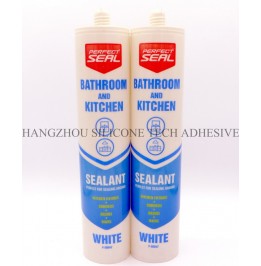
The key to reusing a sealant nozzle lies in thorough cleaning immediately after finishing a job. Residual sealant hardens quickly, clogging the tip and making reuse difficult.
As soon as you finish applying sealant, use a clean cloth or paper towel to wipe away any excess material from the nozzle’s opening. Press the cloth firmly against the tip to absorb as much sealant as possible before it cures. For water-based sealants, a damp cloth may work better, while solvent-based varieties might require a dry cloth to avoid spreading the material.
If the nozzle has internal channels or a complex shape, flushing it with a solvent can remove trapped sealant. For water-based sealants, warm water is often sufficient. Pour a small amount into a container, dip the nozzle in, and gently squeeze the trigger (if the nozzle is still attached to a cartridge) to push water through the tip. For solvent-based or silicone sealants, use a compatible solvent like mineral spirits or isopropyl alcohol, following the same process.
If residual sealant has hardened inside the nozzle, a thin needle or piece of wire can help dislodge it. Insert the tool gently into the opening and wiggle it around to break up the blockage. Avoid forcing the tool too far, as this could damage the nozzle’s internal structure. After clearing the clog, flush the nozzle again with solvent or water to remove any remaining particles.
Proper storage prevents nozzles from drying out or becoming contaminated, ensuring they’re ready for the next application.
To prevent air from entering and drying out the sealant inside the nozzle, seal the opening after cleaning. One method is to place a small piece of plastic wrap or aluminum foil over the tip and secure it with a rubber band. Alternatively, use a dedicated nozzle cap if your original packaging included one. This creates an airtight seal, keeping the nozzle moist and pliable.
Extreme temperatures or humidity can degrade the nozzle material over time. Store cleaned and sealed nozzles in a cool, dry location, such as a toolbox drawer or a dedicated container. Avoid leaving them in direct sunlight, near heat sources, or in damp areas like basements or garages without climate control. Proper storage helps maintain the nozzle’s shape and flexibility.
If you frequently switch between different types of sealants or nozzle sizes, organizing them can save time and prevent mix-ups. Use small containers or compartments to separate nozzles based on their intended use (e.g., silicone vs. acrylic) or tip size (e.g., fine vs. wide). Labeling each container can further streamline the process, ensuring you grab the right nozzle for your next project.
Before using a stored nozzle again, a quick test ensures it’s still functional and produces a clean sealant line.
Inspect the nozzle for cracks, splits, or deformities that could affect its performance. A damaged nozzle may leak sealant, create uneven beads, or fail to attach securely to the cartridge. If the nozzle shows signs of wear, discard it and use a new one to avoid compromising your work.
To confirm the nozzle is working correctly, attach it to a sealant cartridge and squeeze out a small test bead on a piece of scrap material like cardboard or wood. Observe the flow—it should be consistent and free of lumps or breaks. Adjust the nozzle’s position or clean it again if the bead is irregular. This step helps identify any remaining clogs or issues before applying sealant to your project.
Some nozzles allow you to cut the tip at an angle to control the bead size. If you’ve reused a nozzle that was previously trimmed, verify the cut still matches your current needs. For a finer bead, trim the tip at a steeper angle; for a wider bead, cut it more bluntly. Use sharp scissors or a utility knife to ensure a clean cut, and wipe away any plastic shavings before use.
By following these steps, you can maximize the lifespan of your sealant dispensing nozzles, reducing waste and saving money over time. Proper cleaning, storage, and testing ensure each reuse delivers professional-quality results without the need for frequent replacements.
Copyright 2019 by Hangzhou Silicone Tech Adhesive Co., Ltd. All rights reserved.
Bathroom Sealant | Acrylic Sealant | Dow Corning 795 | Aquarium Sealant | Dow Corning 732 | Clear Silicone Sealant | Polysulfide Sealant | Glazing Sealant | Mirror Sealant | IG Sealant
Powered by Onepound


