E-mail:
sales@silicone-sealant-china.com

After applying bathroom sealant, whether for caulking around tubs, sinks, or showers, removing excess material and cleaning surfaces is essential for a polished finish. The right cleaning supplies can help you tackle dried sealant, sticky residue, and general grime without damaging the newly applied product or surrounding fixtures. Here’s how to select effective cleaning tools and solutions for post-sealant cleanup.
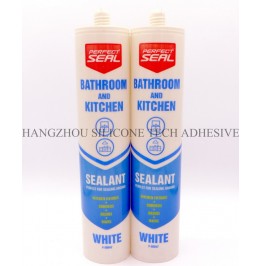
Bathroom sealants, such as silicone or acrylic-based varieties, behave differently once cured. Some remain slightly tacky, while others harden into a rubbery texture. The type of sealant you used, along with the surfaces involved, dictates the cleaning approach.
Fresh sealant is easier to remove, as it hasn’t fully set. A damp cloth or sponge can wipe away smudges or drips before they dry. However, cured sealant requires more effort, often needing solvents or scraping tools to break down its bond. Knowing whether your sealant is still malleable or fully hardened helps you choose the right cleaning method.
Bathroom fixtures like tiles, porcelain, and metal can be sensitive to abrasive cleaners or sharp tools. For example, harsh scrubbing pads might scratch glossy tiles, while acidic cleaners could damage certain metals. Always consider the material of surrounding surfaces when selecting cleaning supplies to avoid unintended damage during cleanup.
Sealant often sticks to hands, caulking guns, or smoothing tools, leaving a stubborn residue. Cleaning these items promptly prevents the material from hardening further, making removal easier. The same principles apply to hands—delaying cleanup can lead to skin irritation or difficulty washing off the sealant.
When dealing with sealant that hasn’t fully cured, gentle methods are often sufficient. These approaches minimize the risk of spreading the material or damaging surfaces.
For fresh sealant smudges on tiles, countertops, or tools, warm water mixed with a few drops of mild dish soap is a safe first step. Dampen a soft cloth or sponge in the solution and gently wipe the affected area. The warmth helps soften the sealant, while the soap breaks down oils or adhesives. Rinse the cloth frequently to avoid reapplying residue.
Microfiber cloths are ideal for cleaning fresh sealant off glossy surfaces like ceramic tiles or glass shower doors. Their fine fibers trap particles without scratching, and they’re reusable, reducing waste. Use a damp microfiber cloth for initial cleanup, then follow up with a dry one to buff the surface to a shine. Avoid using paper towels, as they can leave lint behind.
Grout lines are notorious for trapping excess sealant, especially in tight corners. A soft-bristled brush, like an old toothbrush or a dedicated grout brush, can dislodge fresh sealant without damaging the grout itself. Dip the brush in the warm soapy water solution and scrub gently in a circular motion. Rinse the area with clean water afterward to remove any soap residue.
Cured sealant requires stronger solutions to break down its bond. Solvent-based cleaners are effective but must be used carefully to avoid harming surfaces or inhaling fumes.
Isopropyl alcohol, commonly found in rubbing alcohol, can dissolve cured silicone sealant without leaving a greasy film. Apply a small amount to a cotton pad or soft cloth and dab it onto the residue. Let it sit for a minute to soften the sealant, then gently wipe away. Test this method on an inconspicuous area first, as alcohol may discolor certain materials like painted surfaces or plastics.
White vinegar mixed with water (1:1 ratio) creates a mild acidic solution that can help break down cured acrylic sealant. Soak a cloth in the mixture and press it against the residue for several minutes. The acidity loosens the bond, making it easier to scrape off with a plastic scraper. Avoid using vinegar on natural stone surfaces like marble or granite, as it can etch the material over time.
For particularly stubborn sealant residue, mineral spirits (a type of paint thinner) can be effective. Apply a small amount to a clean cloth and rub the affected area gently. Mineral spirits evaporate quickly, reducing the risk of prolonged exposure, but they emit strong fumes. Use them in a well-ventilated area and wear gloves to protect your skin. After cleaning, wipe the surface with a damp cloth to remove any remaining solvent.
In addition to solutions, specialized tools can help you remove sealant from hard-to-reach places or delicate surfaces without causing damage.
Plastic scrapers, often sold as caulk removal tools, are designed to scrape off cured sealant without scratching surfaces. Their flexible edges conform to curves, making them ideal for tubs, sinks, or shower trays. Hold the scraper at a 45-degree angle and apply gentle pressure to avoid gouging the material beneath the sealant. For tight corners, use a smaller plastic tool or an old credit card.
Caulking guns, smoothing tools, and spatulas often accumulate dried sealant after use. Denatured alcohol can dissolve this residue, making cleanup faster. Soak a cloth in the alcohol and wipe down the tools thoroughly. For stubborn spots, wrap the cloth around the tool and let it sit for a few minutes before wiping again. Store tools in a dry place to prevent rusting after cleaning.
A utility knife with a sharp, new blade can trim excess sealant from edges or joints with precision. However, this method requires caution to avoid slicing into surfaces or creating uneven lines. Use the knife to score along the edge of the sealant, then gently pull away the excess with your fingers or a plastic scraper. Always cut away from your body and keep the blade angled slightly upward to minimize damage.
By selecting the right cleaning supplies based on the type of sealant, surface material, and stage of curing, you can achieve a clean, professional finish in your bathroom. Whether you’re removing fresh smudges or tackling cured residue, these methods ensure your surfaces look pristine without unnecessary damage.
Copyright 2019 by Hangzhou Silicone Tech Adhesive Co., Ltd. All rights reserved.
Bathroom Sealant | Acrylic Sealant | Dow Corning 795 | Aquarium Sealant | Dow Corning 732 | Clear Silicone Sealant | Polysulfide Sealant | Glazing Sealant | Mirror Sealant | IG Sealant
Powered by Onepound


