E-mail:
sales@silicone-sealant-china.com

Applying sealant, whether for bathroom caulking, window sealing, or outdoor repairs, often involves direct contact with sticky, chemical-laden materials. Protecting your hands during this process is crucial to avoid skin irritation, chemical burns, or difficulty removing residue later. Here’s a detailed breakdown of effective hand protection methods tailored to different sealant types and application scenarios.
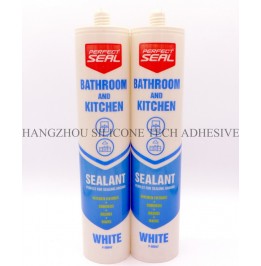
Not all sealants pose the same risks to your skin. Knowing the composition of the product you’re using helps determine the best protective measures.
Silicone sealants are popular for their flexibility and water resistance, but they’re notoriously difficult to remove from skin. They often contain solvents or curing agents that can cause dryness, cracking, or mild irritation if left on for extended periods. When working with silicone, prioritize protection that prevents direct contact and allows for easy cleanup.
Acrylic or latex-based sealants are water-soluble before curing, making them slightly easier to clean up. However, they can still irritate sensitive skin, especially if they contain additives like fungicides or pigments. Prolonged exposure may lead to redness or itching, so even these “milder” sealants require proper hand care during application.
Solvent-based sealants, often used for industrial or outdoor projects, contain strong chemicals like toluene or xylene. These can cause severe skin irritation, burns, or allergic reactions. Working with solvent-based products demands robust protection, including barriers that prevent chemical penetration and ventilation to reduce inhalation risks.
Disposable gloves are the most accessible and effective way to shield your hands from sealant chemicals. The key is choosing the right material for the job.
Nitrile gloves offer excellent resistance to oils, solvents, and many chemicals found in sealants. They’re puncture-resistant and form a snug fit, reducing the risk of sealant seeping inside. For silicone or solvent-based sealants, nitrile gloves provide reliable protection without compromising dexterity. Opt for gloves with a textured surface for better grip, especially when handling tools or smoothing sealant beads.
Latex gloves are suitable for water-based sealants like acrylic or latex caulk, as they’re less likely to react with these materials. However, latex can cause allergic reactions in some people, so avoid them if you have a known sensitivity. Latex gloves are thin and flexible, making them comfortable for detailed work, but they’re less durable than nitrile when exposed to sharp tools or rough surfaces.
Vinyl gloves are a budget-friendly option for quick tasks involving minimal chemical exposure. They’re less durable than nitrile or latex and offer limited protection against solvents, but they’re adequate for short applications of water-based sealants. If you’re only sealing a small area or doing touch-ups, vinyl gloves can serve as a lightweight, disposable solution.
Barrier creams create a protective layer on your skin that repels sealant chemicals, reducing direct contact without the need for gloves. They’re ideal for tasks requiring frequent glove changes or when gloves interfere with precision.
Petroleum-based creams form a thick, occlusive layer that prevents sealant from adhering to your skin. Apply a generous amount to clean, dry hands before starting work, focusing on areas likely to come into contact with sealant, like fingertips and palms. These creams are effective for short-term protection but can feel greasy and may stain surfaces if not fully absorbed.
Silicone-based creams offer a smoother, less greasy alternative to petroleum-based options. They create a waterproof barrier that’s especially useful for silicone sealants, as they resist the sticky texture of the product. Silicone creams are also long-lasting, requiring fewer reapplications during extended projects. However, they may be harder to wash off after work, so use a mild soap and warm water to remove residue.
Water-based barrier creams are non-greasy and easy to apply, making them a comfortable choice for sensitive skin. They’re less effective against strong solvents but work well for water-based sealants or quick tasks. These creams absorb quickly and don’t leave a residue, but they may need frequent reapplication, especially if your hands are exposed to water or friction during work.
Even with gloves, following best practices ensures maximum protection and minimizes cleanup effort.
Ill-fitting gloves can tear, slip, or allow sealant to seep inside, compromising protection. Measure your hand circumference and length to find gloves that fit snugly without being too tight. Gloves that are too large may bunch up, reducing dexterity, while overly tight gloves can cause hand fatigue or restrict blood flow.
Sealant can accumulate on gloves over time, increasing the risk of accidental contact with your skin or clothing. Change gloves as soon as they become saturated, torn, or contaminated with sealant. For multi-step projects, keep several pairs on hand to switch out as needed. If you’re using the same pair for multiple tasks, clean them with a damp cloth between uses to remove residue.
Even with gloves, trace amounts of sealant may transfer to your skin when removing them. Wash your hands immediately after taking off gloves, using warm water and a mild, fragrance-free soap. Pay attention to areas between fingers and around nails, where sealant can hide. If you used barrier cream, scrub gently to avoid irritating the skin. For stubborn residue, use a soft brush or a paste of baking soda and water.
By combining disposable gloves, barrier creams, and proper hygiene, you can protect your hands effectively during sealant application. Whether you’re a DIY enthusiast or a professional contractor, these methods ensure a safer, more comfortable experience while achieving professional-quality results.
Copyright 2019 by Hangzhou Silicone Tech Adhesive Co., Ltd. All rights reserved.
Bathroom Sealant | Acrylic Sealant | Dow Corning 795 | Aquarium Sealant | Dow Corning 732 | Clear Silicone Sealant | Polysulfide Sealant | Glazing Sealant | Mirror Sealant | IG Sealant
Powered by Onepound


