E-mail:
sales@silicone-sealant-china.com

Achieving clean, professional-looking edges on bathroom sealant requires precision and the right tools. Whether you’re sealing gaps around bathtubs, sinks, or shower enclosures, proper trimming ensures durability, prevents water infiltration, and enhances aesthetics. Here’s a detailed guide to the tools needed for refining sealant edges without relying on brand-specific recommendations.
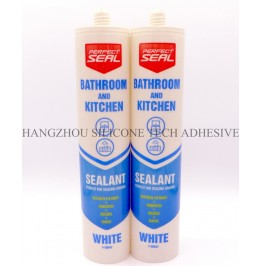
After applying sealant, the first step is to shape it into a neat, uniform bead before it fully cures. These tools help create smooth transitions between the sealant and adjacent surfaces, eliminating excess material and improving adhesion.
A dedicated caulk smoothing tool, often designed to fit comfortably in your hand, is ideal for shaping sealant edges. These tools typically feature a curved or angled tip that matches the desired bead profile—such as a concave shape for a rounded finish or a flat edge for a square bead. To use, lightly dampen the tool with water or a mild soap solution (for water-based sealants) to prevent sticking. Glide it along the sealant line at a 45-degree angle, applying consistent pressure to create a smooth surface. Alternatively, a plastic spatula or the back of a spoon can serve as a makeshift smoother, though they may lack the precision of specialized tools.
For small gaps or detailed areas, your finger can be an effective smoothing tool. Dip your fingertip in water or a water-diluted dish soap solution (avoid oil-based products, as they can affect adhesion). Gently run your finger along the sealant bead, pressing lightly to shape it into a clean curve. This method works best for silicone-based sealants, which remain pliable longer than acrylic alternatives. The wet finger technique allows for intuitive control, especially around curved surfaces like sink basins or shower corners. However, it requires a steady hand to avoid creating uneven spots or removing too much material.
Once the sealant has partially cured (but not fully hardened), trimming excess material ensures sharp, crisp edges. These tools help remove stray sealant without damaging adjacent surfaces like tiles, glass, or countertops.
A sharp utility knife with a retractable blade is indispensable for trimming sealant edges. Choose a blade with a fine, straight edge for clean cuts. Hold the knife at a shallow angle (around 15–30 degrees) to the sealant line and gently slice away excess material. Avoid pressing too hard, as this can gouge the substrate or create jagged edges. For tight corners or narrow gaps, use the knife’s tip to carefully scrape away residue. Always retract the blade when not in use to prevent accidents, and replace dull blades promptly to maintain precision.
Angled trim scrapers, featuring a thin, flexible metal or plastic blade set at a 45-degree angle, excel at reaching into corners and along edges where larger tools can’t fit. These scrapers are particularly useful for removing cured sealant that has overflowed onto tile grout or metal frames. Hold the scraper parallel to the surface and use short, controlled strokes to chip away at the excess. For delicate surfaces like glass, wrap the scraper’s edge in masking tape to avoid scratches. Some scrapers come with interchangeable blades, allowing you to switch between straight and curved profiles for different sealing tasks.
After trimming, the final step is to clean the sealed area and polish the edges for a flawless finish. These tools remove residue, smooth minor imperfections, and enhance the sealant’s appearance.
A soft microfiber cloth is essential for wiping away smudges, fingerprints, or loose sealant particles after trimming. Dampen the cloth slightly with water or a mild cleaner (avoid abrasive chemicals that could degrade the sealant). Gently buff the sealed edges in a circular motion to lift residue without scratching the surface. For stubborn spots, fold the cloth into a sharp edge to target specific areas. Microfiber cloths are reusable and leave no lint behind, making them ideal for achieving a streak-free shine on glass shower doors or polished tiles.
If sealant residue remains after wiping with water, isopropyl alcohol (diluted with water in a 1:1 ratio for sensitive surfaces) can help dissolve it without damaging the sealant or substrate. Apply a small amount to a cotton pad or microfiber cloth and dab the affected area. Avoid soaking the sealant, as excessive moisture can interfere with curing. Alcohol evaporates quickly, leaving a clean, residue-free surface. This method is particularly effective for removing silicone-based sealant smears on non-porous materials like ceramic tiles or metal fixtures.
Working with sealant trimming tools requires attention to comfort and safety to prevent strain or injury, especially during prolonged tasks.
Tools with ergonomic handles reduce hand fatigue during repetitive motions like smoothing or scraping. Look for options with soft-grip coatings or contoured shapes that fit naturally in your palm. For tools used frequently, such as utility knives or scrapers, a comfortable grip ensures better control and precision, minimizing the risk of slips or uneven cuts. If your tools lack built-in ergonomic features, consider wrapping the handles with foam tape or wearing work gloves with padded palms.
When trimming sealant, wear nitrile or latex gloves to protect your skin from irritants in the sealant (especially solvent-based varieties) and sharp tool edges. Gloves also improve grip on slippery tools or surfaces. Safety glasses or goggles shield your eyes from flying debris, such as small sealant chips or dust generated by scraping. Even small particles can cause irritation or injury, so prioritize eye protection, especially when working overhead or in tight spaces where debris may disperse unpredictably.
By assembling these tools and following proper techniques, you can achieve professional-quality sealant edges in your bathroom. Each tool serves a specific purpose, from initial shaping to final polishing, ensuring the sealed areas are both functional and visually appealing.
Copyright 2019 by Hangzhou Silicone Tech Adhesive Co., Ltd. All rights reserved.
Bathroom Sealant | Acrylic Sealant | Dow Corning 795 | Aquarium Sealant | Dow Corning 732 | Clear Silicone Sealant | Polysulfide Sealant | Glazing Sealant | Mirror Sealant | IG Sealant
Powered by Onepound


