E-mail:
sales@silicone-sealant-china.com

Choosing the right sealant color for your tiles isn’t just about protection—it’s an opportunity to enhance aesthetics, create visual harmony, or make bold design statements. Whether you’re working with neutral tones, vibrant hues, or textured finishes, understanding how sealant colors interact with tile surfaces is key. Here’s a practical guide to pairing sealant shades with various tile colors without relying on brand-specific recommendations.
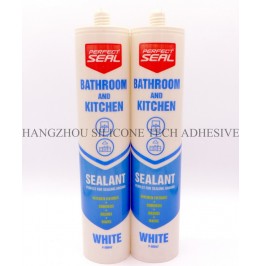
Neutral tiles like white, beige, gray, or taupe form versatile backdrops for both modern and traditional spaces. When selecting sealants for these tones, the goal is often to maintain a clean, cohesive look or add subtle depth without overpowering the design.
For white or off-white tiles, a clear or translucent sealant is a classic choice. It preserves the tile’s brightness while protecting grout lines from stains and moisture. If you want to add a hint of warmth, opt for a sealant with a very light beige or ivory tint. This softens the starkness of white tiles without altering their overall appearance. For beige or cream tiles, a sealant in a similar shade creates a seamless finish, making grout lines nearly invisible. This approach works well in bathrooms or kitchens where a monochromatic, spa-like aesthetic is desired.
Gray tiles range from cool, steel-like shades to warm, greige tones. A clear sealant works universally, but for a more intentional look, consider a sealant with a slight gray undertone. This enhances the tile’s color without creating contrast. For taupe tiles, which blend gray and brown, a sealant in a muted brown or sandy shade can add warmth. Test the sealant on a small, inconspicuous area first to ensure the undertones complement the tile’s flecks or veining.
Vibrant tiles like deep blues, emerald greens, or rich terracottas demand sealants that either harmonize with their intensity or create striking contrast. The choice depends on the design goal: a unified look or a dynamic focal point.
For tiles in shades of navy or forest green, a sealant in a similar hue but slightly lighter or darker can create a sophisticated, tonal effect. For example, a sealant with a blue-gray tint can soften the boldness of navy tiles while maintaining color continuity. Alternatively, a clear sealant allows the tile’s color to shine while protecting grout lines. If you prefer contrast, a white or light gray sealant can make deep tiles pop, especially in backsplashes or accent walls.
Terracotta tiles exude warmth, and pairing them with a sealant in a complementary earth tone—like a soft brown or burnt orange—enhances their rustic charm. For a more modern twist, a sealant with a metallic sheen (like copper or bronze) can add elegance without clashing. If the tiles have a glossy finish, a matte sealant can create texture contrast, while a glossy sealant amplifies their shine.
Patterned tiles, whether geometric, floral, or mosaic, and textured tiles like slate or stone require sealants that either blend in or accentuate their unique features. The key is to avoid sealants that obscure the tile’s design or create visual chaos.
For tiles with intricate patterns featuring multiple colors, a clear sealant is often the safest bet. It protects the grout and tiles without altering their appearance. If the pattern includes a dominant color, a sealant in that shade can subtly unify the design. For example, if a mosaic tile features mostly blues and greens, a sealant with a blue-green tint can enhance the cohesion. Avoid sealants with strong pigments, as they may overpower the pattern’s details.
Textured tiles like slate, travertine, or handmade ceramics have natural variations in color and surface. A sealant that matches the tile’s base color—such as a gray sealant for slate or a beige sealant for travertine—can highlight its texture without adding unwanted shine. For a more dramatic effect, a sealant with a satin or matte finish can deepen the tile’s natural tones, while a glossy sealant can make textures appear more pronounced. Test the sealant on a sample tile first to see how it interacts with the texture and color variations.
The way sealant colors appear on tiles can vary based on lighting conditions and the tile’s location. Natural light, artificial light, and even the time of day can influence perceived color.
In rooms with abundant natural light, sealant colors may appear lighter or more vibrant. For example, a sealant with a slight yellow tint might look warm and inviting in sunlight but appear dull under fluorescent lighting. In spaces with limited natural light, such as basements or bathrooms, opt for sealants with warmer undertones to avoid a cold, sterile feel. If possible, test the sealant in the actual space where it will be applied, observing how it looks at different times of day.
Outdoor tiles, whether on patios, walkways, or pool decks, are exposed to sunlight, rain, and temperature fluctuations. Sealants for outdoor use should not only match the tile color but also resist fading and UV damage. Dark-colored tiles, like black or charcoal, can absorb heat, so a sealant with a matte finish may be preferable to reduce glare and heat retention. For light-colored outdoor tiles, a sealant with UV inhibitors can prevent yellowing over time.
By considering the tile’s base color, pattern, texture, and lighting conditions, you can select a sealant that enhances its appearance while providing lasting protection. Whether aiming for subtlety, contrast, or texture emphasis, the right sealant color transforms tiles from functional surfaces into design elements.
Copyright 2019 by Hangzhou Silicone Tech Adhesive Co., Ltd. All rights reserved.
Bathroom Sealant | Acrylic Sealant | Dow Corning 795 | Aquarium Sealant | Dow Corning 732 | Clear Silicone Sealant | Polysulfide Sealant | Glazing Sealant | Mirror Sealant | IG Sealant
Powered by Onepound


