E-mail:
sales@silicone-sealant-china.com

Properly assessing the curing degree of sealants is crucial for ensuring their performance in sealing gaps, preventing leaks, and maintaining structural integrity. Whether used in bathrooms, kitchens, or construction joints, understanding when a sealant has fully cured helps avoid premature use or rework. Here’s a detailed guide to evaluating sealant curing without relying on brand-specific tools or methods.
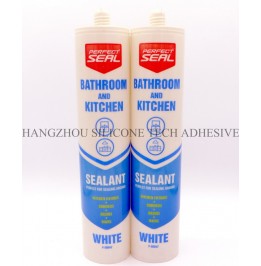
The first step in checking curing progress is observing the sealant’s appearance. Changes in color, texture, and surface finish provide clues about its readiness.
Most sealants undergo a noticeable color shift as they cure. For example, a freshly applied silicone sealant might appear glossy and slightly translucent. Over time, as it cures, it often becomes less shiny and takes on a more uniform, matte finish. If the sealant still looks wet or overly glossy, it likely hasn’t fully cured. Similarly, some acrylic-based sealants may darken slightly as they dry, indicating moisture evaporation and chemical cross-linking.
A fully cured sealant should have a smooth, even texture without visible lumps or bubbles. During curing, trapped air or uneven application can create small imperfections. Run your finger lightly along the sealant’s surface (if it’s safe to touch—see below for safety tips). If you feel any tackiness, soft spots, or unevenness, the sealant may still be curing. For vertical or overhead applications, check for sagging or drips, which suggest the sealant hasn’t set enough to hold its shape.
Inspect the edges where the sealant meets the substrate (e.g., tile, concrete, or metal). A properly cured sealant forms a strong bond with the surrounding material, with no visible gaps or peeling. Use a plastic spatula or your fingernail to gently press along the edges. If the sealant lifts easily or separates from the surface, it hasn’t cured sufficiently. This is especially important in areas exposed to water or movement, as poor adhesion can lead to leaks or failure.
Beyond visual cues, physical tests help confirm the sealant’s hardness and elasticity—key indicators of curing completion.
The simplest way to check curing is by gently pressing the sealant with your fingertip. Wait until the manufacturer’s recommended minimum curing time has passed (usually listed on the product label). Apply light pressure—about the force used to press a elevator button. If the sealant feels soft, sticky, or indents easily, it needs more time. A fully cured sealant should feel firm and resistant to pressure, though some flexibility may remain depending on the type (e.g., silicone remains slightly pliable).
For sealants used in joints that experience movement (like those between tiles or around pipes), flexibility is critical. After the initial hardness test, try bending or flexing the sealed area slightly (if possible without damaging the substrate). A cured sealant should stretch without tearing or cracking. For example, in a bathroom corner joint, gently push the two adjacent surfaces toward each other. If the sealant deforms smoothly and returns to its original shape, it’s likely cured. If it cracks or breaks, it needs additional time or may have been applied incorrectly.
For critical applications or when doubt remains, a small cut test can reveal internal curing status. Use a sharp utility knife to make a shallow, 1/8-inch cut into the sealant’s surface. Peel back a tiny section to inspect the interior. A fully cured sealant will have a consistent texture throughout, with no wet or uncured material inside. If the center feels soft or sticky, the sealant hasn’t cured completely. This method is best reserved for non-visible areas or when other tests are inconclusive, as it damages the sealant.
Curing speed depends heavily on environmental conditions. Adjusting your evaluation based on these factors ensures accurate assessments.
Sealants cure faster in warm, dry environments and slower in cold, humid ones. For example, a silicone sealant applied at 75°F (24°C) with low humidity may cure in 24 hours, while the same product at 50°F (10°C) with high humidity could take 72 hours or longer. Check the manufacturer’s guidelines for temperature and humidity ranges, and adjust your expectations accordingly. If working in extreme conditions, consider using a dehumidifier or space heater to create optimal curing environments.
Proper airflow helps sealants cure evenly by carrying away volatile chemicals released during the process. In enclosed spaces like bathrooms, ensure ventilation fans are running or open windows to promote air exchange. Stagnant air can trap moisture near the sealant, slowing curing or causing uneven drying. For outdoor applications, avoid sealing on rainy or foggy days, as excess moisture can interfere with adhesion and curing.
While environmental factors play a role, always start with the manufacturer’s stated curing time as a baseline. This duration reflects testing under standard conditions and provides a safe minimum wait period. However, don’t rely solely on this number—perform visual and physical tests to confirm readiness. Some sealants reach “skin-over” (a dry surface layer) quickly but take longer to cure fully internally. For high-stress applications, extend the curing time beyond the minimum recommendation to ensure durability.
By combining visual inspection, physical testing, and environmental awareness, you can accurately determine when a sealant has cured sufficiently for use. This approach minimizes the risk of premature failure and ensures long-lasting, effective sealing in any application.
Copyright 2019 by Hangzhou Silicone Tech Adhesive Co., Ltd. All rights reserved.
Bathroom Sealant | Acrylic Sealant | Dow Corning 795 | Aquarium Sealant | Dow Corning 732 | Clear Silicone Sealant | Polysulfide Sealant | Glazing Sealant | Mirror Sealant | IG Sealant
Powered by Onepound


