E-mail:
sales@silicone-sealant-china.com

Bathroom pipe penetrations—where plumbing lines pass through walls or floors—are common entry points for water, moisture, and even pests. Improper sealing can lead to mold growth, structural damage, and costly repairs. Here’s how to address these vulnerabilities with precision and durability.
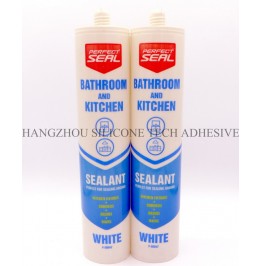
Not all pipe penetrations require the same approach. Understanding the environment and material types ensures long-lasting results.
The substrate around the pipe determines the sealing method. For tiled walls, focus on grout lines and the gap between the pipe and tile. In drywall areas, check for cracks or gaps where the pipe meets the wall. Concrete floors may require flexible sealants to accommodate slight movement. Use a flashlight to inspect hidden corners, as even small openings can allow moisture ingress.
Pipes made of PVC, copper, or PEX expand and contract with temperature changes. For hot water lines, choose a sealant that remains flexible under heat to prevent cracking. Metal pipes, while less prone to movement, may corrode over time, so ensure the sealant is mold-resistant and non-reactive. If the pipe runs through an exterior wall, prioritize weatherproofing to block drafts and rainwater.
Before applying new material, inspect old sealant for signs of failure. Look for discoloration, shrinkage, or gaps between the sealant and pipe/wall. Use a utility knife to carefully remove deteriorated sealant, avoiding damage to the surrounding surface. If the old sealant is intact but discolored, clean it with a mild detergent and water before deciding whether to reapply or replace.
A study in a multi-unit residential building found that 60% of water damage claims originated from poorly sealed pipe penetrations, highlighting the importance of thorough assessment.
Proper preparation ensures the sealant adheres correctly and resists premature failure.
Dirt, soap scum, or grease can prevent the sealant from bonding. Wipe the pipe and surrounding wall/floor with a cloth dampened in a mixture of warm water and mild dish soap. For stubborn residue, use a soft-bristled brush to scrub gently. Rinse with clean water and dry the area completely with a lint-free towel. Moisture trapped beneath the sealant can lead to bubbling or mold growth.
Even small particles like dust or plaster fragments can create air gaps. Use a vacuum cleaner with a brush attachment to suction debris from the gap around the pipe. For narrow crevices, blow compressed air (from a can or small compressor) to dislodge trapped dirt. Wear gloves to avoid transferring oils from your skin to the surface.
If the gap between the pipe and wall is uneven, use a putty knife to apply a backer rod—a flexible foam strip—into the space. This fills deeper voids, ensuring the sealant isn’t applied too thickly (which can crack as it cures). Choose a backer rod diameter slightly larger than the gap to create a snug fit. Press it in gently, leaving about 1/4 inch of space at the top for the sealant.
In a bathroom renovation project, using backer rods reduced sealant usage by 40% while improving adhesion and flexibility, according to contractor reports.
The right technique ensures a watertight seal that withstands daily use.
For bathroom pipe penetrations, prioritize moisture-resistant, flexible sealants. Silicone-based options are ideal for areas exposed to constant water, as they remain pliable and resist mold. Acrylic latex sealants work well for dry areas but may degrade under prolonged moisture. Avoid using caulk meant for windows or exterior siding, as these may lack the flexibility needed for pipe movement.
Cut the sealant tube nozzle at a 45-degree angle, starting with a small opening (about 1/8 inch). For vertical pipes, a slightly larger cut (1/4 inch) can help control flow. Insert the tube into a manual caulking gun, ensuring the plunger fits snugly against the base. Squeeze the trigger gently to test the flow before applying it to the pipe. If the sealant comes out unevenly, adjust the nozzle cut or replace the tube if it’s clogged.
Hold the gun at a 45-degree angle to the gap, applying steady pressure on the trigger as you move along the pipe. For horizontal penetrations (e.g., pipes running through a floor), pull the gun toward you; for vertical ones (e.g., pipes through a wall), work from top to bottom. Keep the nozzle close to the surface (about 1/4 inch away) to prevent air gaps. If the bead breaks, release pressure and restart the section rather than trying to patch it mid-flow.
Immediately after application, use a dampened finger, plastic spatula, or a dedicated sealant smoothing tool to shape the bead. Dip the tool in a mixture of water and a few drops of dish soap to reduce friction. Run it along the joint in one continuous motion, applying light pressure to create a concave shape that sheds water effectively. Wipe excess sealant off the tool frequently to avoid dragging material.
A plumbing contractor’s analysis revealed that tooling sealant within 5 minutes of application reduced touch-up needs by 70% compared to delayed smoothing.
Regular checks and minor upkeep can extend the life of your sealant.
Schedule monthly visual inspections of sealed pipe penetrations, especially in high-moisture areas like showers or near sinks. Look for cracks, shrinkage, or discoloration, which may indicate water infiltration. Pay attention to joints where the pipe meets the wall or floor, as these are prone to movement-related stress. If you notice gaps, plan to reseal the area promptly.
Avoid using abrasive cleaners or scrub brushes on sealed pipe penetrations, as these can wear down the sealant. Instead, wipe the area with a soft cloth dampened in water or a mild, non-abrasive cleaner. For stubborn stains, use a solution of equal parts water and white vinegar, but rinse thoroughly afterward to prevent acidity from degrading the sealant.
If the sealant develops small cracks or begins to pull away from the pipe or wall, address it immediately. Clean the area as you would for initial application, remove any loose sealant, and reapply a fresh bead using the techniques outlined above. For larger gaps (more than 1/4 inch wide), consider using a backer rod again to ensure proper sealant thickness.
By following these steps, you can create a durable, watertight seal around bathroom pipe penetrations that protects against moisture damage and maintains a clean, professional appearance.
Copyright 2019 by Hangzhou Silicone Tech Adhesive Co., Ltd. All rights reserved.
Bathroom Sealant | Acrylic Sealant | Dow Corning 795 | Aquarium Sealant | Dow Corning 732 | Clear Silicone Sealant | Polysulfide Sealant | Glazing Sealant | Mirror Sealant | IG Sealant
Powered by Onepound


