Filling techniques for irregular joint sealants
Jan 08,2026 | Views: 523
Effective Techniques for Filling Irregular Joints with Sealant
Working with irregular or uneven joints can be challenging, but the right approach ensures a durable, professional finish. Whether sealing gaps in construction, automotive, or craft projects, mastering these techniques helps prevent leaks, cracks, and aesthetic flaws. Below are actionable methods to tackle irregularities without compromising performance.
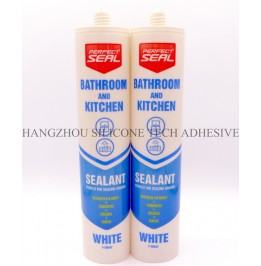
Preparing the Joint Surface for Optimal Adhesion
The success of any sealant application starts with proper surface preparation. Irregular joints often trap dust, debris, or old sealant, which weaken the new bond.
-
Clean thoroughly: Use a stiff brush or vacuum to remove loose particles. For stubborn residue, dampen a cloth with isopropyl alcohol or a mild detergent solution. Avoid oil-based cleaners, as they can leave residues that interfere with adhesion.
-
Dry completely: Moisture trapped beneath the sealant can lead to bubbling or mold growth. Allow the joint to air-dry for at least 24 hours, or use a heat gun on low setting to speed up the process in humid conditions.
-
Smooth rough edges: If the joint has jagged or uneven edges, gently sand them with fine-grit sandpaper. This creates a uniform surface for the sealant to grip, reducing the risk of gaps forming later.
Choosing the Right Application Method for Irregular Joints
Irregular joints demand flexibility in how sealant is applied. Standard straight-line techniques may not work, so adapt your approach to the joint’s shape and depth.
-
Use a backer rod for deep gaps: For joints deeper than ½ inch, insert a foam backer rod before applying sealant. This fills the void, preventing the sealant from sinking too far and creating a more consistent bead. Cut the backer rod slightly larger than the joint width to ensure a snug fit.
-
Apply in layers for uneven surfaces: If the joint has varying depths, apply the sealant in thin layers. Start with a base layer to fill smaller gaps, then add a second layer to build up the bead. This avoids overfilling some areas while leaving others exposed.
-
Angle the nozzle for precision: Many sealant tubes allow the nozzle to be cut at an angle. For irregular joints, trim the nozzle at a 45-degree angle to direct the sealant into corners or crevices more effectively.
Tool Selection and Techniques for Smoothing Sealant
Achieving a clean, professional finish requires the right tools and techniques to shape the sealant after application. Irregular joints often need extra attention to avoid lumps or uneven textures.
-
Use a caulk finishing tool: These plastic or metal tools come in various shapes to match different joint profiles. For V-shaped or curved joints, select a tool with a matching edge to press the sealant into place without distorting its shape.
-
Dampen your finger for manual smoothing: If you prefer using your finger, dip it in a solution of water and a few drops of dish soap. This reduces friction, allowing you to glide over the sealant without pulling or creating ridges. Rinse and re-dip your finger frequently to maintain a smooth finish.
-
Work in sections for large joints: For long or complex joints, divide the area into smaller segments. Apply and smooth the sealant in one section before moving to the next. This prevents the sealant from skinning over too quickly, which can make smoothing difficult.
Addressing Common Challenges in Irregular Joint Sealing
Irregular joints present unique problems, such as air pockets, uneven curing, or difficulty maintaining a consistent bead. Here’s how to troubleshoot these issues:
-
Prevent air bubbles: When filling deep or narrow joints, apply the sealant slowly to allow air to escape. For particularly tricky areas, use a small brush or toothpick to gently push the sealant into corners, ensuring no trapped air remains.
-
Fix uneven curing: If parts of the sealant cure faster than others (often due to temperature variations), cover the joint with plastic sheeting to slow drying in warmer spots. Alternatively, work in sections to ensure each part is smoothed before the sealant hardens.
-
Repair small gaps: After the sealant dries, inspect the joint for any missed spots or shrinkage. Use a small amount of fresh sealant on a toothpick or narrow tool to fill these areas, then smooth them carefully.
By tailoring your preparation, application, and finishing techniques to the joint’s irregularities, you can achieve a watertight, visually appealing seal. Practice on scrap materials first to refine your method, and always wear gloves to protect your hands during the process. With patience and attention to detail, even the most uneven joints can be sealed effectively.
Prev: Causes and avoidance of air bubbles during bathroom sealant application
Next: The timing for removing masking tape after the application of sealant


