Causes and avoidance of air bubbles during bathroom sealant application
Jan 08,2026 | Views: 403
Common Causes of Air Bubbles in Bathroom Sealant and How to Prevent Them
Bathroom sealant applications often face challenges like air bubbles, which compromise the finish and durability. These bubbles can lead to leaks, mold growth, or an unprofessional appearance. Understanding their origins and implementing preventive measures ensures a smooth, long-lasting seal. Below are key factors contributing to bubble formation and practical solutions to avoid them.
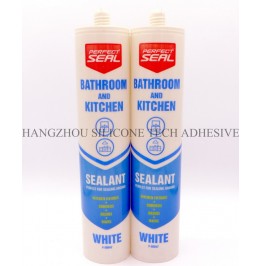
Improper Surface Preparation Leading to Trapped Air
One of the primary reasons bubbles form is inadequate surface cleaning before applying sealant. Dust, soap scum, or moisture trapped beneath the sealant creates pockets where air gets stuck during application.
-
Residue buildup: Old sealant, grime, or mineral deposits on tiles, bathtubs, or sinks act as barriers. When new sealant is applied, it doesn’t adhere properly, leaving space for air to accumulate.
-
Moisture issues: Bathrooms are naturally humid, and even small amounts of water on the surface can turn into steam when heated, forming bubbles. Ensure surfaces are bone-dry before starting.
-
How to fix: Thoroughly clean the area with a mild detergent and water, then wipe it dry with a lint-free cloth. For stubborn residue, use a scraper or abrasive pad gently to avoid scratching the surface.
Incorrect Application Techniques Causing Air Entrapment
The way sealant is applied plays a significant role in bubble formation. Rushing the process or using the wrong tools can introduce air into the material.
-
Applying too quickly: Moving the nozzle or tool too fast forces air into the sealant as it’s dispensed. This is common when using a caulking gun without steady pressure.
-
Using the wrong nozzle size: A nozzle cut too large may release sealant unevenly, while one too small can cause backpressure, trapping air inside the tube or during application.
-
How to fix: Practice a slow, steady motion when dispensing sealant. Cut the nozzle at a 45-degree angle to match the joint’s width, ensuring consistent flow. For manual applications, use a putty knife or your finger (dampened with soapy water) to press the sealant firmly into the joint.
Environmental Factors Influencing Bubble Formation
Temperature and humidity levels in the bathroom can affect how sealant cures, leading to bubbles if not managed properly.
-
High humidity: Moisture in the air slows down the curing process, causing the sealant to remain tacky longer. This increases the likelihood of air being trapped as the material shifts or settles.
-
Cold temperatures: Low temperatures make sealant thicker and harder to work with, increasing the chance of air pockets forming during application.
-
How to fix: Use a dehumidifier or heater to regulate the bathroom’s environment before sealing. Aim for a temperature between 50–75°F (10–24°C) and humidity below 50%. If working in cold conditions, warm the sealant tube in a bowl of warm water (not boiling) for 10–15 minutes to soften it.
Material-Related Issues and Solutions
The type of sealant and its formulation can also contribute to bubble problems. Some materials are more prone to air entrapment due to their consistency or curing process.
-
Fast-curing sealants: These harden quickly, leaving less time to smooth out the surface and remove trapped air.
-
Overmixing: If the sealant requires mixing (e.g., two-part epoxies), stirring it too vigorously can introduce air bubbles into the mixture.
-
How to fix: Choose a sealant with a moderate curing time to allow for adjustments. When mixing, stir gently in a figure-eight motion to minimize air incorporation. For pre-mixed sealants, avoid shaking the tube excessively before use.
Post-Application Mistakes That Create Bubbles
Even after applying sealant correctly, mistakes during the finishing stage can undo your efforts. Smoothing the sealant improperly or exposing it to drafts can lead to bubbles.
-
Using a dry tool or finger: When smoothing the sealant with a tool or your finger, friction can pull at the material, creating tiny air pockets.
-
Exposing fresh sealant to drafts: Air currents from fans, open windows, or HVAC systems can cause the surface to cure unevenly, trapping air beneath.
-
How to fix: Dampen your tool or finger with soapy water before smoothing the sealant. This reduces friction and allows for a cleaner finish. Keep the bathroom closed during curing to avoid drafts, and use a plastic sheet to cover the sealed area if necessary.
By addressing these common causes—from surface prep to environmental controls—you can significantly reduce the risk of air bubbles in bathroom sealant. Always test your technique on a small area first, and adjust your approach based on the specific conditions of your project. With attention to detail, you’ll achieve a flawless, durable seal every time.
Prev: Surface smoothness treatment after sealant application
Next: Filling techniques for irregular joint sealants


