E-mail:
sales@silicone-sealant-china.com

Before diving into the techniques for even dispensing, it's crucial to have a solid grasp of how a caulk gun functions. A typical caulk gun consists of a frame, a plunger, a trigger mechanism, and a cartridge holder. The sealant cartridge is placed in the holder, and the plunger applies pressure to the back of the cartridge when the trigger is squeezed, forcing the sealant out through the nozzle.
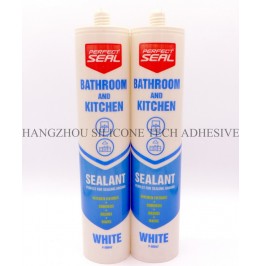
The first step in ensuring even dispensing starts with correctly loading the sealant cartridge into the gun. Insert the cartridge firmly into the holder, making sure it's seated properly at the back. Align the nozzle of the cartridge with the opening at the front of the gun. If the cartridge is not loaded correctly, it can lead to uneven pressure distribution and inconsistent sealant flow.
The nozzle plays a vital role in controlling the flow and shape of the sealant. Use a sharp utility knife to cut the tip of the nozzle at a 45 - degree angle. The size of the opening should be appropriate for the gap you're filling. A smaller opening is ideal for narrow gaps, while a larger one is better for wider gaps. Additionally, puncture the inner seal of the cartridge using a long nail or a similar object to allow the sealant to flow freely when pressure is applied.
The trigger is the main control mechanism for dispensing the sealant, and mastering its use is key to achieving an even flow.
When starting to dispense the sealant, avoid squeezing the trigger too forcefully right away. Instead, apply gradual pressure to build up the flow slowly. This allows the sealant to start coming out smoothly without sudden bursts that can lead to uneven application. As you move along the gap, maintain a consistent and steady pressure on the trigger. If you press too hard at times, it can cause the sealant to gush out, creating lumps or uneven spots. On the other hand, if you don't apply enough pressure, the flow may be interrupted, resulting in gaps in the sealant line.
In addition to applying consistent pressure, it's important to maintain a consistent speed when squeezing the trigger. Moving the gun along the gap at a steady pace while simultaneously squeezing the trigger at a uniform rate ensures that the sealant is dispensed evenly throughout the entire length of the gap. Try to find a rhythm that works for you and stick to it. If you speed up or slow down abruptly, it can disrupt the flow of the sealant and lead to an uneven finish.
Sealants come in various viscosities, and each type may require slight adjustments in your caulk gun technique to achieve even dispensing.
Thicker sealants, such as those designed for high - moisture areas in the bathroom, can be more challenging to dispense evenly. They require more pressure to flow through the nozzle. When working with a thicker sealant, you may need to squeeze the trigger a bit harder and move the gun along the gap at a slightly slower pace. This gives the sealant enough time to flow out smoothly and fill the gap properly. You can also pre - warm the sealant cartridge slightly (by placing it in warm water for a few minutes, following the manufacturer's guidelines) to make it more pliable and easier to dispense.
Thinner sealants, on the other hand, flow more easily but can also be prone to running or dripping if not dispensed correctly. When using a thinner sealant, apply less pressure on the trigger to prevent excessive flow. Move the gun along the gap at a relatively faster pace compared to thicker sealants. This helps to control the amount of sealant being dispensed and reduces the risk of it running down the sides of the gap.
A well - maintained caulk gun is more likely to provide even sealant dispensing. Regular maintenance can prevent issues such as sticking, uneven pressure application, and leaks.
After each use, clean the caulk gun thoroughly to remove any residual sealant. Disassemble the gun if possible and use a solvent or a mild detergent solution to clean the parts. Pay special attention to the plunger, the cartridge holder, and the trigger mechanism, as sealant can build up in these areas and affect the gun's performance. Once cleaned, dry the parts completely before reassembling the gun.
Lubricating the moving parts of the caulk gun can help ensure smooth operation. Apply a small amount of silicone - based lubricant to the plunger rod and the trigger pivot points. This reduces friction and allows the gun to function more efficiently, which in turn contributes to even sealant dispensing. Be careful not to use too much lubricant, as it can attract dirt and debris.
Copyright 2019 by Hangzhou Silicone Tech Adhesive Co., Ltd. All rights reserved.
Bathroom Sealant | Acrylic Sealant | Dow Corning 795 | Aquarium Sealant | Dow Corning 732 | Clear Silicone Sealant | Polysulfide Sealant | Glazing Sealant | Mirror Sealant | IG Sealant
Powered by Onepound


