E-mail:
sales@silicone-sealant-china.com

A plastic scraper or putty knife is a gentle yet effective tool for removing excess sealant. Start by positioning the edge of the scraper at a 45 - degree angle to the surface with the excess sealant. Apply light pressure and slowly drag the scraper along the edge of the sealant line. This will help to lift and remove the unwanted sealant without damaging the underlying surface. For stubborn areas, you can slightly increase the pressure, but be careful not to scratch or gouge the surface.
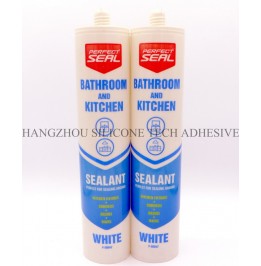
Heat can be used to soften the excess sealant, making it easier to remove. A hairdryer is a convenient tool for this purpose. Set the hairdryer to a medium - high heat setting and hold it about 6 - 8 inches away from the excess sealant. Move the hairdryer back and forth over the area for about 30 - 60 seconds, or until the sealant starts to feel soft and pliable. Once softened, use a plastic scraper or your fingers (wearing gloves) to gently peel away the excess sealant. Be cautious when using heat near flammable materials and avoid overheating the surface, as this can cause damage.
Certain solvents can dissolve or break down the chemical bonds in the sealant, facilitating its removal. Isopropyl alcohol is a commonly available solvent that can be effective for some types of sealant. Soak a clean cloth or cotton ball in isopropyl alcohol and apply it to the excess sealant. Let it sit for a few minutes to allow the alcohol to penetrate the sealant. Then, use a plastic scraper or cloth to gently rub away the softened sealant. Repeat the process as needed until all the excess is removed.
Another option is white vinegar, which has acidic properties that can help to dissolve sealant. Mix equal parts of white vinegar and water in a spray bottle. Spray the solution onto the excess sealant and let it sit for about 15 - 20 minutes. After the allotted time, use a plastic scraper or cloth to wipe away the sealant. Vinegar is a more natural and less harsh option compared to some chemical solvents, but it may take longer to work on stubborn sealants.
There are also commercial sealant removers available in the market. These products are specifically formulated to break down and remove different types of sealants. When using a commercial sealant remover, always follow the manufacturer's instructions carefully. Typically, you will apply the remover to the excess sealant, let it sit for the recommended amount of time, and then use a scraper or cloth to remove the softened sealant. Make sure to wear gloves and work in a well - ventilated area when using these products, as they may contain strong chemicals.
Lemon juice contains citric acid, which can help to dissolve sealant, and baking soda acts as a mild abrasive. Create a paste by mixing equal parts of lemon juice and baking soda. Apply the paste to the excess sealant and let it sit for about 30 minutes. The acidic nature of the lemon juice will start to break down the sealant, while the baking soda will help to scrub away the residue. After 30 minutes, use a plastic scraper or a soft - bristled brush to gently remove the paste and the softened sealant. Rinse the area with water to remove any remaining residue.
Oils such as cooking oil or baby oil can also be used to remove excess sealant. The oil helps to lubricate the sealant, making it easier to peel away. Apply a small amount of oil to a clean cloth and rub it onto the excess sealant. Let it sit for about 15 - 20 minutes to allow the oil to penetrate the sealant. Then, use your fingers or a plastic scraper to gently lift and remove the sealant. Wipe away any remaining oil with a clean cloth.
Copyright 2019 by Hangzhou Silicone Tech Adhesive Co., Ltd. All rights reserved.
Bathroom Sealant | Acrylic Sealant | Dow Corning 795 | Aquarium Sealant | Dow Corning 732 | Clear Silicone Sealant | Polysulfide Sealant | Glazing Sealant | Mirror Sealant | IG Sealant
Powered by Onepound


