Impact of Different Water Qualities on the Durability of Sealants
Sealants are widely used in construction, automotive, and industrial applications to prevent water ingress, air leakage, and chemical corrosion. However, their durability can be significantly affected by the quality of water they are exposed to. Understanding how different water types—such as freshwater, saltwater, chemically contaminated water, and hard water—influence sealant performance is crucial for selecting the right material and ensuring long-term reliability.
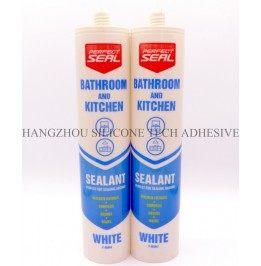
Freshwater Exposure and Its Effects on Sealants
Freshwater, including rainwater and tap water, is the most common environmental factor affecting sealants. While generally less aggressive than saltwater or chemicals, prolonged exposure to freshwater can still degrade certain sealant components.
-
Hydrolysis and Swelling: Many sealants, especially those containing polyurethane or silicone, are susceptible to hydrolysis—a chemical reaction with water that breaks down polymer chains. This process can cause swelling, softening, or loss of adhesion over time. For example, studies on polyurethane-based sealants show that continuous immersion in freshwater leads to a gradual reduction in tensile strength and hardness due to water absorption.
-
Microbial Growth: Stagnant freshwater can promote the growth of mold, algae, or bacteria on sealant surfaces. These microorganisms produce organic acids that may corrode the material, leading to discoloration, cracking, or detachment. This is particularly relevant in humid environments like bathrooms or basements.
-
Freeze-Thaw Cycles: In cold climates, freshwater trapped in sealant joints can freeze and expand, causing internal stress and cracking. This is a common failure mode for outdoor sealants used in facades or pavements.
Saltwater and Its Corrosive Impact on Sealants
Saltwater, such as seawater or brackish water, poses a more severe challenge to sealants due to its high chloride content. Chloride ions are highly corrosive and can accelerate degradation through multiple mechanisms.
-
Electrochemical Corrosion: Saltwater creates an electrolytic environment that promotes corrosion of metal substrates beneath sealants. For instance, if a sealant fails to block saltwater ingress, chloride ions can reach steel reinforcements in concrete structures, leading to rusting and structural damage.
-
Chemical Degradation: Some sealants, particularly those with amine-based curing agents, react with chloride ions to form soluble complexes, weakening the material. Research on silicone sealants indicates that saltwater exposure reduces their elastic recovery and adhesion strength compared to freshwater.
-
Osmotic Blistering: When saltwater penetrates a sealant, it can create osmotic pressure differences that cause blistering or delamination. This phenomenon is often observed in marine applications where sealants are used to waterproof hulls or decks.
Chemically Contaminated Water and Its Destructive Potential
In industrial settings, sealants may encounter water contaminated with acids, alkalis, solvents, or oils. These substances can drastically shorten the lifespan of sealants by altering their chemical structure or physical properties.
-
Acidic Water: Strong acids like sulfuric acid or hydrochloric acid can dissolve certain sealant components, especially those containing calcium carbonate fillers. For example, acid rain—which contains dissolved sulfur dioxide and nitrogen oxides—has been shown to erode silicone sealants on building facades, leading to premature failure.
-
Alkaline Water: High-pH solutions, such as those found in concrete leachate or cleaning agents, can saponify polyurethane sealants, converting them into a soft, sticky substance. This reduces their ability to resist movement or maintain adhesion.
-
Solvent Exposure: Organic solvents like acetone, toluene, or alcohols can swell or dissolve sealants, particularly those based on acrylic or butyl rubber. This is a critical concern in laboratories or manufacturing facilities where chemical spills are common.
Hard Water and Mineral Scaling on Sealants
Hard water, which contains high concentrations of calcium and magnesium ions, can leave mineral deposits on sealant surfaces over time. These deposits, known as scaling, can affect both the appearance and functionality of sealants.
-
Surface Discoloration: Mineral scaling often appears as white, chalky residue on sealant joints, particularly in areas with hard tap water. While this is primarily an aesthetic issue, it can make cleaning more difficult and mask underlying damage.
-
Reduced Flexibility: In extreme cases, mineral deposits can infiltrate the sealant matrix, stiffening the material and reducing its ability to accommodate movement. This is especially problematic for dynamic joints in bridges or pipelines.
-
Adhesion Loss: Scaling can create a weak boundary layer between the sealant and substrate, making it easier for water or contaminants to penetrate and cause detachment.
Conclusion
The durability of sealants is heavily influenced by the quality of water they encounter. Freshwater causes gradual degradation through hydrolysis and microbial growth, while saltwater accelerates corrosion and osmotic damage. Chemically contaminated water can lead to rapid material failure, and hard water causes scaling that affects both appearance and performance. To ensure long-lasting protection, it is essential to select sealants specifically designed for the expected water exposure conditions and to implement regular maintenance checks.
Prev: Prevention of UV-induced aging of bathroom sealant
Next: Avoid contact with chemical substances after the application of the sealant.


