Prevention of UV-induced aging of bathroom sealant
Feb 25,2026 | Views: 357
Preventing UV-Induced Aging in Bathroom Sealants: Strategies for Long-Term Durability
Bathroom sealants are essential for preventing water damage, mold growth, and structural deterioration in wet environments. However, prolonged exposure to ultraviolet (UV) radiation—even in indoor bathrooms with windows or skylights—can accelerate degradation, leading to cracking, discoloration, and adhesion loss. Understanding how UV light affects sealants and implementing preventive measures is critical for maintaining their effectiveness over time.
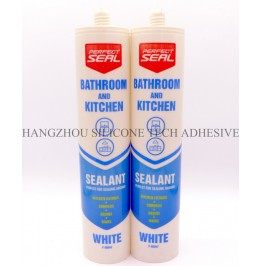
Understanding UV Damage to Bathroom Sealants
UV radiation breaks down the chemical bonds in sealant polymers, causing physical and aesthetic changes that compromise performance.
-
Photooxidation: UV light triggers oxidation reactions in sealant materials, such as silicone or polyurethane, leading to chain scission and cross-linking. This process weakens the material, making it brittle and prone to cracking under stress. For example, a study on silicone sealants found that UV exposure reduced their elongation at break by up to 50% over six months.
-
Discoloration: Many sealants contain pigments or stabilizers that degrade under UV light, resulting in yellowing or fading. This is particularly noticeable in white or light-colored sealants used in bathrooms, where aesthetic appeal is important.
-
Surface Chalking: Prolonged UV exposure can cause the outer layer of sealants to flake off, creating a powdery residue. This not only looks unsightly but also reduces the sealant’s thickness, weakening its barrier properties.
-
Adhesion Failure: UV-induced degradation can weaken the bond between the sealant and substrate, such as tile, glass, or metal. This is especially problematic in high-movement areas like shower corners or bathtub edges, where water infiltration can occur.
Strategies to Minimize UV Exposure in Bathrooms
Reducing direct UV contact is the most effective way to prevent premature aging of bathroom sealants.
-
Window Treatments: Install UV-blocking films or curtains on bathroom windows to filter out harmful radiation. These solutions allow natural light while protecting sealants from prolonged exposure. Tinted or low-emissivity (Low-E) glass can also reduce UV transmission without sacrificing visibility.
-
Strategic Placement of Fixtures: Position showerheads, faucets, and other fixtures to minimize water splashing onto areas exposed to UV light. Water droplets can act as lenses, focusing UV rays and intensifying degradation. For example, avoid placing a showerhead directly below a skylight.
-
Limit Direct Sunlight: If possible, redesign the bathroom layout to reduce the amount of direct sunlight hitting sealed surfaces. This might involve adding partitions, using frosted glass, or adjusting the orientation of windows.
-
Regular Cleaning: Dust and soap scum can accumulate on sealant surfaces, trapping UV light and accelerating degradation. Wipe down sealants weekly with a mild, non-abrasive cleaner to remove residues and maintain their reflective properties.
Enhancing Sealant Resistance Through Material Selection and Preparation
While no sealant is entirely UV-proof, choosing materials with inherent resistance and proper preparation can extend their lifespan.
-
Opt for UV-Stable Formulations: Some sealants are engineered with UV stabilizers or inhibitors that slow down photooxidation. These additives absorb or scatter UV radiation, protecting the polymer backbone. When selecting a sealant, look for labels indicating UV resistance, though avoid specific brand names.
-
Ensure Proper Curing: Allow sealants to cure fully before exposing them to UV light. Incomplete curing can leave the material vulnerable to rapid degradation. Follow manufacturer guidelines for curing times, which typically range from 24 to 72 hours depending on humidity and temperature.
-
Apply a Protective Coating: In high-UV environments, consider applying a clear, UV-resistant acrylic or silicone-based coating over the sealant. These coatings act as a sacrificial layer, absorbing UV damage before it reaches the sealant. Reapply the coating every 1–2 years for optimal protection.
-
Check Substrate Compatibility: Ensure the substrate is clean, dry, and free of oils or residues before applying sealant. Poor adhesion increases the risk of UV-induced peeling, as water can seep behind the sealant and exacerbate degradation.
Long-Term Maintenance to Combat UV Aging
Regular inspections and proactive repairs can prevent minor UV damage from escalating into major failures.
-
Inspect Sealants Quarterly: Look for signs of cracking, chalking, or discoloration, especially in areas exposed to sunlight. Pay close attention to shower doors, bathtub edges, and sink backsplashes.
-
Address Damage Immediately: If cracks or gaps appear, remove the affected section of sealant and reapply a fresh bead. Use a utility knife to cut away the old material, clean the joint with isopropyl alcohol, and allow it to dry completely before resealing.
-
Monitor Humidity Levels: High humidity can accelerate UV degradation by promoting microbial growth or hydrolysis. Use exhaust fans during showers and keep bathroom humidity below 60% to reduce stress on sealants.
-
Avoid Harsh Cleaners: Abrasive or chemical-heavy cleaners can strip away UV stabilizers from sealant surfaces. Stick to mild, pH-neutral solutions and soft cloths for routine cleaning.
Conclusion
Preventing UV-induced aging in bathroom sealants requires a combination of protective measures, material selection, and regular maintenance. By reducing direct UV exposure, choosing UV-resistant formulations, and addressing damage promptly, homeowners can extend the lifespan of their sealants and maintain a watertight, aesthetically pleasing bathroom. Proactive care is key to avoiding costly repairs and ensuring long-term performance in sun-exposed areas.
Prev: Time limit for placing heavy objects after sealant application
Next: The influence of different water qualities on the durability of sealants


